Our Top Picks


B2B SaaS selling is not about pushing software.
On the contrary, the entire digital landscape is about helping businesses solve real problems with technology they can trust over time. The B2B SaaS sales process reflects this shift. It prioritizes education, alignment, trust, and long term value instead of one time transactions.
In SaaS, the sale does not end at the signature. It only truly succeeds when the customer adopts the product, sees value, and continues paying month after month. That reality shapes every stage of the SaaS sales cycle and influences how modern sales teams operate.
What Is B2B SaaS Sales?
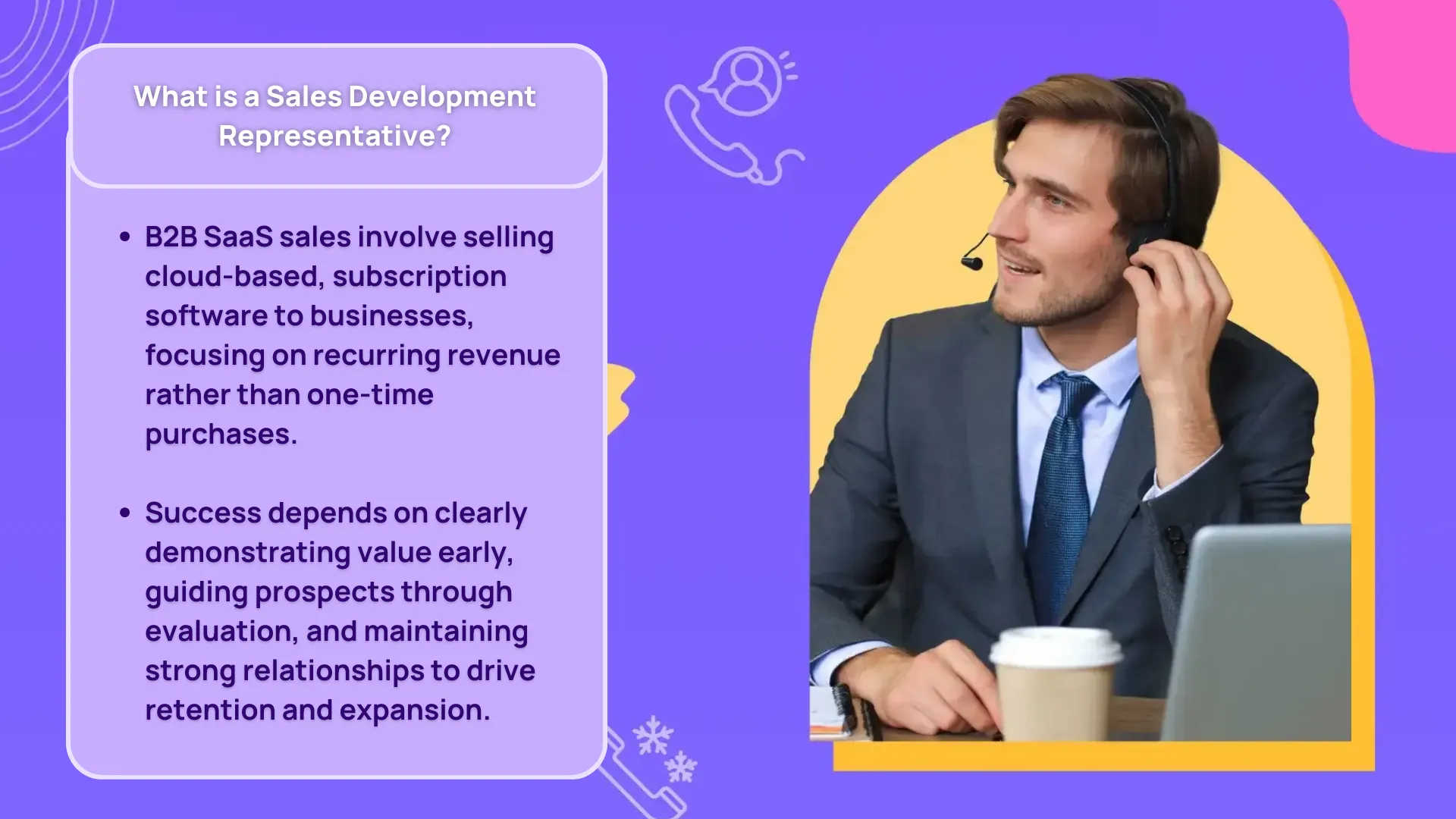
B2B SaaS sales refer to selling subscription based software solutions to other businesses. Customers access the product through the cloud and pay on a recurring basis, usually monthly or annually. This model changes the entire software sales process.
Instead of a one-off license purchase, SaaS selling depends on retention, expansion, and customer satisfaction. Sales teams must clearly communicate value early, guide prospects through evaluation, and stay connected after the deal closes. The B2B SaaS sales process is both commercial and relational, blending revenue goals with customer outcomes.
To navigate this complex journey effectively, many modern teams are adopting specialized tools designed specifically for this environment. Leveraging a comprehensive SDR SaaS Playbook can help reps automate their outreach and focus on building those crucial relationships that drive long-term retention.
How B2B SaaS Sales Differs From Traditional Sales
B2B SaaS selling operates under different rules compared to classic software or physical product sales. The subscription model introduces accountability over time. If customers stop seeing value, they leave.
Sales reps act more like consultants than closers. They ask deeper questions, connect features to outcomes, and collaborate with prospects across longer buying journeys. SaaS sales methodology rewards patience, discovery, and clarity far more than pressure tactics.
Customization also plays a role. Many SaaS products adapt to workflows, team sizes, and data needs. This makes the SaaS sales cycle more consultative and less transactional, especially in mid market and enterprise segments.
Common B2B SaaS Sales Models
Different SaaS businesses succeed with different sales models. The right choice depends on deal size, product complexity, and target audience.
Self Service Model
The self service model allows customers to find, evaluate, purchase, and onboard without speaking to sales. This approach works best for simple products with clear value propositions and low pricing.
It scales efficiently and supports rapid customer acquisition. The challenge lies in education and support. Without human guidance, messaging, onboarding flows, and product experience must carry the full weight of conversion and retention.
Enterprise Sales Model
Enterprise SaaS sales focus on large organizations with complex needs and longer buying cycles. Deals involve multiple stakeholders, security reviews, legal steps, and custom pricing.
This model produces high contract values and strong long term revenue. It also demands skilled sales teams, deep product knowledge, and strong alignment with customer success and implementation teams.
Transactional Model
Transactional SaaS sales target small to mid sized businesses seeking quick solutions at accessible price points. Sales cycles are shorter and often handled through inside sales or product led motions.
Volume drives growth here. Success depends on speed, clarity, and competitive differentiation in crowded markets.
Hybrid Model
Hybrid sales models blend automation with human support. Prospects may start with self service research, then engage sales for demos, pricing, or complex questions.
This structure supports flexibility across the SaaS sales funnel. The challenge centers on coordination, ensuring prospects receive the right level of support at the right time.
Channel Sales Model
Channel sales rely on partners such as resellers or consultants to sell the SaaS product. This model extends reach and leverages trusted relationships.
Strong partner enablement, clear incentives, and consistent messaging are essential to protect brand perception and revenue quality.
Freemium Model
Freemium offers limited access for free, encouraging adoption before monetization. It works well when users experience value quickly and naturally grow into paid plans.
The main challenge is conversion. Clear upgrade paths, usage limits, and compelling premium value determine success.
Why a Defined B2B SaaS Sales Process Matters
Sales creativity matters, but consistency wins at scale. A defined B2B SaaS sales process gives structure without removing personality.
A clear process shortens ramp time for new hires, reduces missed steps, and improves forecasting accuracy. Sales managers gain visibility into pipeline health, while reps gain confidence navigating each stage.
Consistency also improves the buyer experience. Prospects receive timely follow ups, relevant information, and clear next steps. Over time, this structure reveals patterns that support continuous improvement across the SaaS sales strategy.
B2B SaaS Sales Process Steps Explained
1. Prospecting and Lead Generation
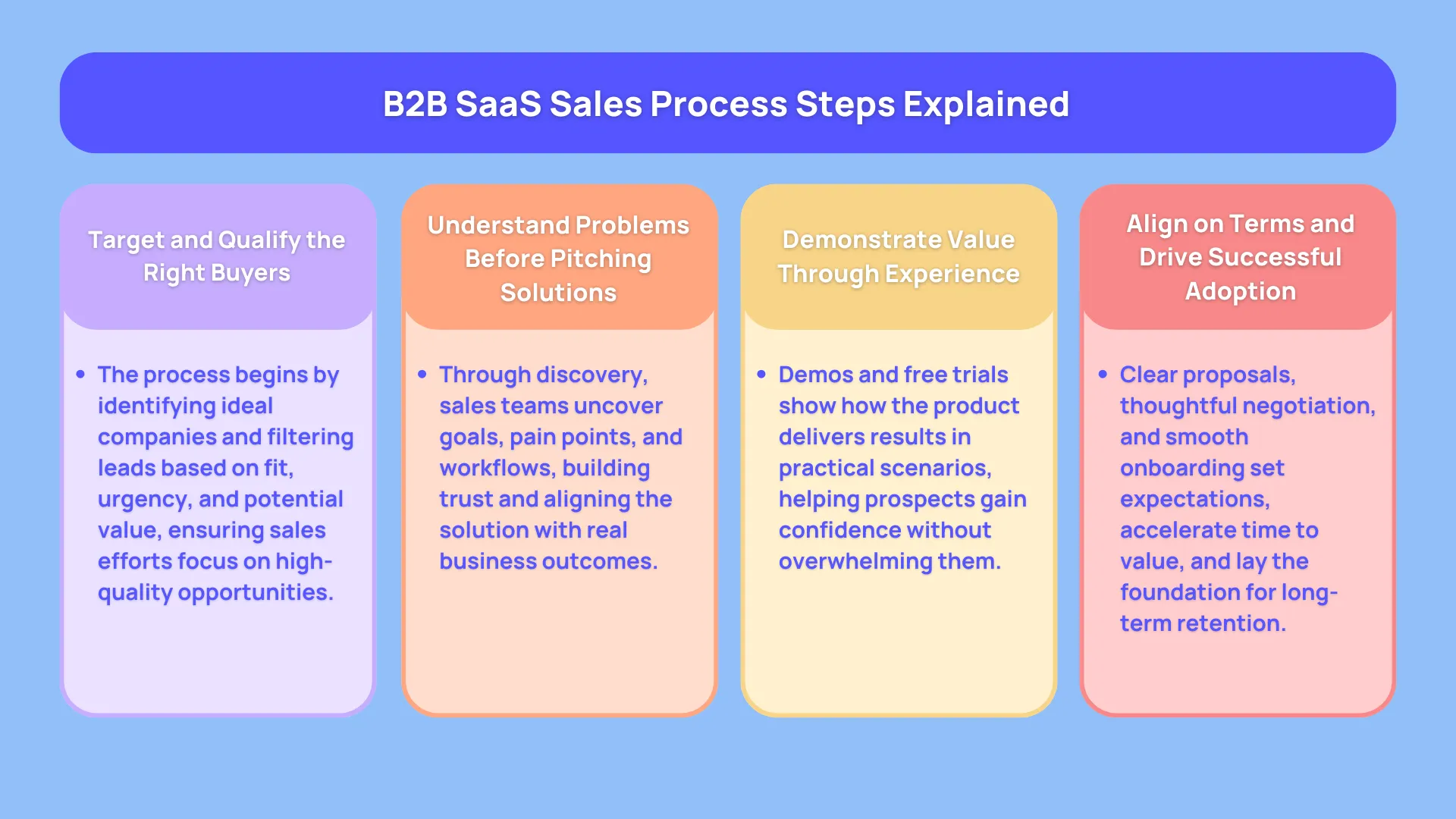
Prospecting starts the SaaS sales cycle. The goal is to identify companies that match your ideal customer profile and show potential need.
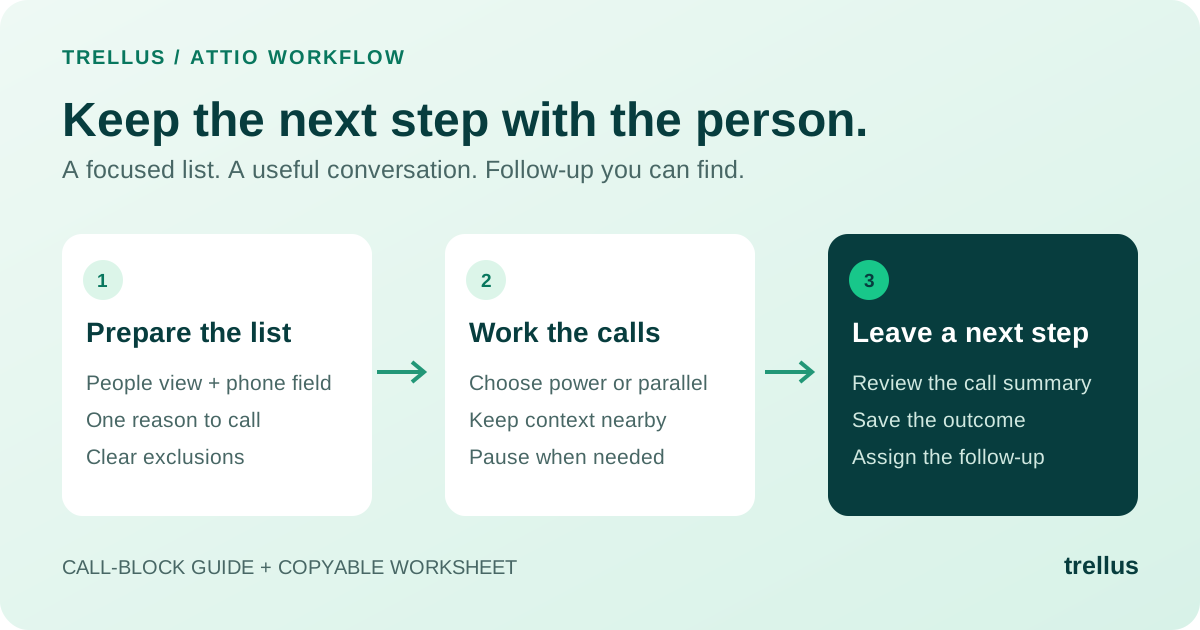
To efficiently connect with these identified companies, teams must evaluate dialing solutions like a power dialer vs parallel dialer. Choosing the appropriate automation tool allows reps to maintain high outreach volume while preserving the context needed for complex SaaS sales.
Outbound outreach, inbound content, referrals, events, and partnerships all contribute here. Strong prospecting connects messaging to real business problems rather than generic product claims. Data quality and relevance matter more than volume at this stage.
2. Lead Qualification
Qualification determines which leads deserve time and attention. This step protects sales efficiency and improves close rates.
A well-qualified prospect naturally strengthens your overall sales pipeline by ensuring only the highest-intent leads progress. Implementing a structured approach at this stage prevents bottlenecks and keeps your revenue engine moving smoothly.
Sales teams assess budget, authority, need, and timeline while also evaluating urgency and product fit. Effective SaaS sales qualification balances curiosity with discipline. Not every interested lead should move forward.
3. Discovery and Needs Assessment
Discovery is where trust forms. Sales reps ask thoughtful questions about workflows, goals, pain points, and existing tools.
This stage shapes the entire sales motion. A strong needs assessment ensures the solution aligns with real outcomes, not assumptions. Prospects feel heard and understood, which strengthens momentum.
4. Product Demo or Free Trial
The product demo or free trial transforms interest into belief. Prospects see how the software fits their world.
Great SaaS sales demos connect features to outcomes and focus on use cases that matter most. Free trial strategy works best when guided with clear activation milestones and support. The goal is confidence, not feature overload.
5. Proposal and Negotiation
Proposals formalize value. Pricing, terms, scope, and implementation details must feel fair and transparent.
Effective negotiation techniques in B2B SaaS sales deals focus on priorities, not pressure. Sales reps address concerns, clarify trade offs, and protect long term partnership potential. Mutual alignment matters more than discounts.
6. Closing and Onboarding
Closing finalizes the agreement, but onboarding determines success. A smooth transition builds trust and accelerates value realization.
Sales and customer success alignment is critical here. Clear expectations, training resources, and early wins reduce churn and support SaaS sales ROI from day one.
B2B SaaS Sales Metrics and KPIs That Matter
Tracking the right SaaS sales metrics keeps teams grounded in reality.
Customer Acquisition Cost reveals efficiency across marketing and sales. Monthly Recurring Revenue reflects growth and stability. Churn Rate highlights retention health. Customer Lifetime Value guides investment decisions. Sales Pipeline Velocity shows momentum. Sales Win Rate reflects execution quality.
Understanding these metrics is just the first step in optimizing your sales funnel. To truly gauge how your team's execution compares to industry standards, evaluating your saas win rate against top performers is essential. This helps identify whether your deals are closing at a competitive pace.
Together, these metrics shape smarter decisions across the SaaS sales funnel.
Where Trellus Fits Into the Modern B2B SaaS Sales Process
Every well designed B2B SaaS sales process needs more than just good intentions and strong messaging. It needs execution support. This is where the right sales technology quietly strengthens each stage of the SaaS sales cycle without getting in the way of human conversations.
Trellus fits naturally into outbound focused B2B SaaS selling, especially for teams that rely on cold calling, multi touch prospecting, and consistent follow up. Instead of acting as just another sales dialer, the platform supports how reps actually work across prospecting, qualification, conversations, and coaching.
Supporting Prospecting and Lead Generation
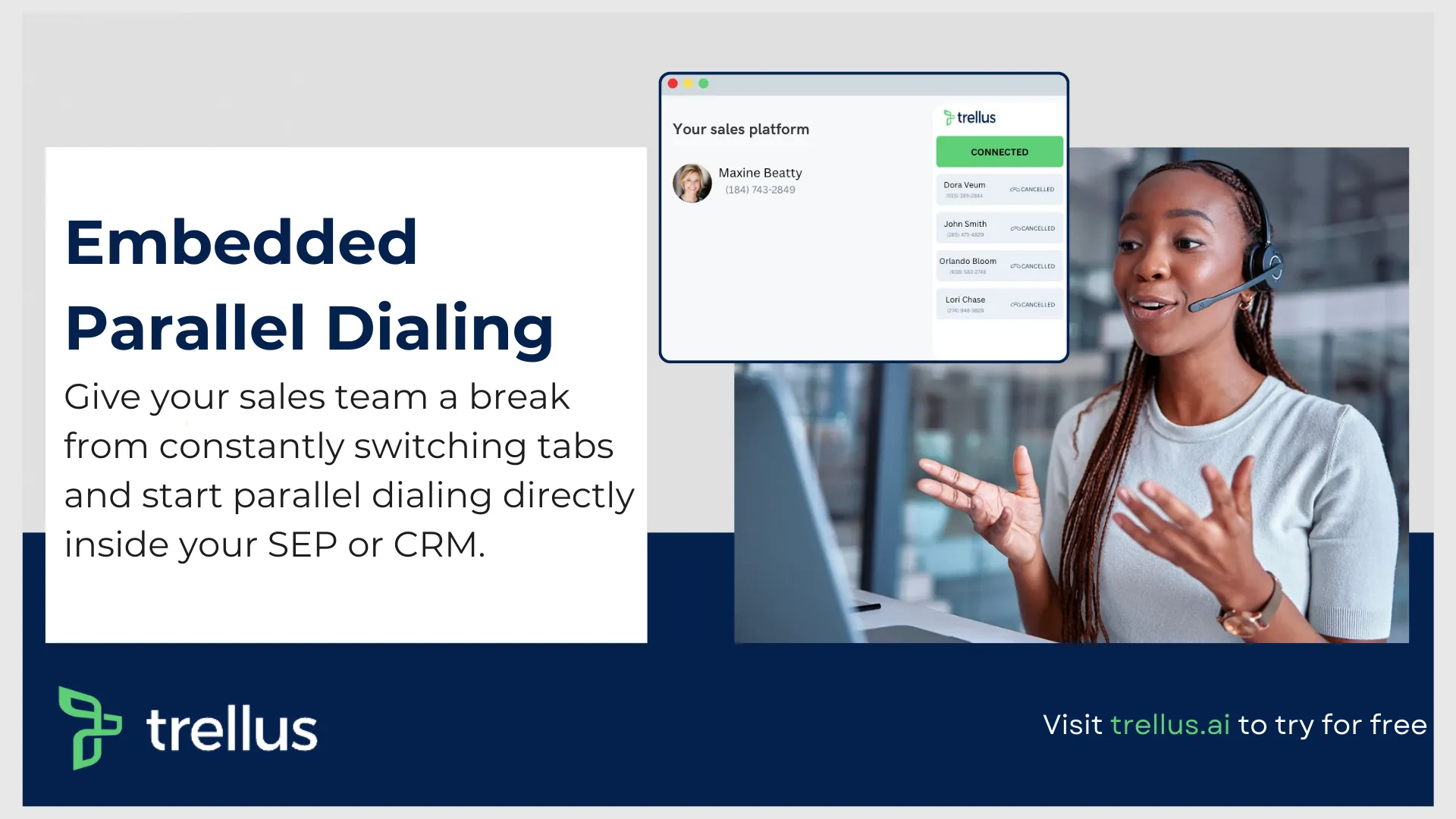
Early stage prospecting in B2B SaaS sales demands speed, focus, and repetition without sacrificing relevance. The platform helps sales reps reach more prospects in less time through parallel dialing while still allowing room for personalization.
To maintain this high level of activity, many successful outbound teams integrate a power dialer into their daily workflow. This technology automates the repetitive aspects of calling, allowing reps to maintain their focus on delivering personalized, relevant pitches to each prospect.
This directly impacts customer acquisition efforts. Reps spend less time waiting between calls and more time engaging in live conversations, which is where qualification truly begins. For outbound heavy SaaS sales teams, this improves top of funnel activity without inflating headcount.
Improving Lead Qualification and Conversation Quality
Qualification is not just about asking the right questions. It is also about how confidently and clearly those questions are delivered. Built in AI call coaching and real time feedback help reps refine their talk tracks, objection handling, and discovery skills.
Over time, this leads to stronger sales qualified leads entering the pipeline. Managers gain visibility into call quality, not just call volume, which supports healthier SaaS sales qualification and more accurate forecasting.
Strengthening the Product Demo and Discovery Flow
While the platform is not a demo tool itself, it indirectly improves SaaS sales demos by sharpening pre demo conversations. When reps conduct better discovery calls, demos become more relevant and outcome focused.
Prospects arrive at demos already aligned on problems and expectations. This shortens the SaaS sales cycle length and increases the likelihood that product demos move deals forward rather than stall them.
Enabling Consistency Across the Sales Team
One of the biggest SaaS sales challenges is inconsistency between reps. Some perform well, others struggle, and managers often lack clear insight into why. Conversation intelligence, call recordings, and performance data create a shared standard.
New hires ramp faster because they can learn from real examples. Experienced reps refine their approach with data instead of guesswork. This supports a more scalable SaaS sales playbook without forcing rigid scripts.
Aligning With the Broader SaaS Sales Tech Stack
The platform connects cleanly with popular CRMs, making it easier to manage the software sales process from first touch to close. Activity data flows into the pipeline, helping sales leaders understand what actually drives movement through the SaaS sales funnel.
This alignment supports better SaaS sales automation without removing the human element that B2B buyers still expect.
Why It Matters for Revenue Teams
In B2B SaaS selling, small improvements compound. Better conversations lead to better qualifications. Better qualification leads to stronger demos. Stronger demos improve closing rates and long term SaaS sales ROI.
Trellus plays a supporting role across these stages. It does not replace strategy or training. It reinforces them through execution, feedback, and visibility, which is exactly where many SaaS sales teams struggle as they scale.
Frequently Asked Questions About B2B SaaS Sales
1. What are the key stages in a typical B2B SaaS sales process
The core stages include prospecting, qualification, discovery, product demo or trial, proposal, closing, and onboarding. Each stage builds trust and moves the buyer closer to value realization.
2. Which software tools help automate lead generation in B2B SaaS sales
Marketing automation platforms, outbound prospecting tools, intent data platforms, and CRM systems support scalable lead generation and pipeline management.
3. How to qualify leads effectively in a B2B SaaS sales pipeline
Effective qualification combines budget, authority, need, and timing with deeper insight into urgency, impact, and alignment. Clear criteria protect focus and improve conversion rates.
4. What are the best CRMs for managing B2B SaaS sales cycles
Top CRMs support pipeline visibility, forecasting, automation, and integration with marketing and customer success systems. The best choice depends on team size, complexity, and growth stage.
5. How do top B2B SaaS companies structure their sales teams
High performing teams often separate roles across SDRs, Account Executives, Sales Engineers, and Customer Success Managers. This type of SaaS sales team structure normally supports specialization and scale.


Embed Trellus Parallel Dialer Within Your SEP & 4x Your Conversations