18 of the Best App(s) for Sales Reps [Updated June 2026]
We have rounded up some of the best apps for sales reps to supercharge their outreach, conversions and overall performance metrics. Read on...

![18 of the Best App(s) for Sales Reps [Updated June 2026]](/_media/trellus-marketing-preview-20261014-v1/_assets/cdn.prod.website-files.com/633ef5e495fbc55a9bea70b1/69b666a52a6b62ddf05015de_BASP.webp)
On this page
Our Top Picks


A typical sales rep does not spend most of the day selling. In fact, the opposite is true.
Across a standard 40 hour workweek, the average rep spends roughly 12 hours actively selling. The remaining 28 hours disappear into administrative work, CRM updates, prospect research, internal communication, reporting, scheduling meetings, and chasing approvals.
That imbalance is exactly why sales rep productivity apps have become essential for modern revenue teams.
The right mobile sales tools, CRM apps for sales, and sales engagement apps remove friction from the selling process.
Instead of juggling spreadsheets, email threads, and disconnected tools, reps get a streamlined workspace where prospecting, outreach, deal tracking, and collaboration happen in one place.
The result is simple, spanning over twofold. You have more time spent with buyers, and there’s a lot less time wasted on tinkering with sales systems, or whatever tech’s at your team’s disposal.
Having said that, this guide breaks down the best app for sales reps that actually improve productivity, simplify workflows, and help teams close deals faster in 2026.
Why does your business need a sales app?
The modern sales environment moves faster than ever, and relying on manual processes simply cannot keep up with buyer expectations.
When your team is forced to switch between disconnected systems to find information or log activities, they lose valuable momentum. The best sales app for small business removes this friction by centralizing communication, data, and workflows into a single, intuitive workspace.
By streamlining these administrative tasks, a sales app transforms how your team operates daily. It shifts the focus away from managing software and back toward building meaningful relationships with prospects and closing deals.
Your customers need care
Buyers today expect personalized, timely, and relevant interactions at every touchpoint. If your reps are struggling to find context from previous conversations or missing follow-ups due to disorganized systems, the buyer experience suffers.
A well-integrated sales team app ensures that every interaction is informed by a complete history of the relationship. This visibility allows your team to anticipate needs, answer questions accurately, and provide the high level of care that turns prospects into loyal customers.
Your agents need more time
Administrative burdens are the silent killer of sales productivity.
When reps spend hours each week updating CRMs, drafting routine emails, and scheduling meetings, they have significantly less time for actual selling.
A sales app automates these repetitive tasks, freeing up your agents to focus on high-value activities like discovery calls and negotiations. By giving them back their time, you empower them to perform at their best and drive more revenue for the business.
What Makes an App Truly Useful for Sales Reps in Daily Work?
The most useful sales apps are not necessarily the ones with the longest feature lists.
They are the ones that reduce friction in the daily selling workflow. For most reps, that means helping with prospect follow-up, note capture, internal coordination, pipeline updates, and quick access to context before a call or meeting. An app becomes valuable when it supports the actual rhythm of selling rather than adding another layer of process.
A tool may be impressive on paper, but if it slows reps down or forces them into extra clicks, it will rarely become part of the real workflow.
On that note, the best app for sales reps is usually the one that saves time consistently and feels natural enough to stay open throughout the day.
What Are Sales Rep Apps?

Sales rep apps are digital tools designed to help sales professionals manage their pipeline, communicate with prospects, automate routine tasks, and stay organized throughout the sales cycle.
Think of them as the operating system for modern selling.
Instead of manually entering lead data, sending follow up reminders, logging calls, or switching between tools all day, reps rely on sales productivity apps that automate much of that work in the background.
These platforms can include:
• CRM apps for sales that manage customer data and pipeline stages
• Sales engagement apps that automate outreach and follow ups
• Sales dialer apps that speed up cold calling and call tracking
• Mobile sales tools that allow reps to manage deals from anywhere
• Sales automation apps that trigger tasks and workflows automatically
• Field sales apps designed for reps working outside the office
As a result, whenever these systems work together, they create a unified environment where reps can see every interaction, every opportunity, and every next step without hunting through multiple systems.
Sales leaders also benefit from this structure. With better visibility into activities, forecasting becomes more accurate and performance coaching becomes easier.
The best platforms go a step further and include AI driven sales enablement, which helps reps decide what to do next. This might include suggesting follow ups, highlighting high intent leads, or surfacing content that can move a deal forward.
In short, modern sales management tools do not just track activity. They actively help reps sell smarter.
Why Sales Rep Productivity Apps Matter More Than Ever
Sales has changed dramatically over the past decade. Buyers research products independently, expect faster responses, and often involve multiple stakeholders in decisions.
That complexity creates a huge amount of operational work behind the scenes.
Without the right sales rep productivity apps, reps spend large portions of their day managing tasks that do not directly generate revenue.
When the right mobile sales tools and sales engagement apps are introduced, the difference becomes obvious.
Here is how these platforms improve the sales process.
More Time For Real Selling
Administrative tasks quietly consume a large portion of a rep’s day. CRM updates, meeting scheduling, note taking, and reporting often interrupt selling momentum.
Apps to keep track of sales handle much of this work automatically. Calls can log themselves, meeting notes can be generated instantly, and follow up reminders appear exactly when needed.
That extra time allows reps to focus on conversations, discovery calls, and deal progression.
Stronger Customer Relationships
When a rep has full visibility into a customer’s history, conversations become far more relevant.
The best CRM apps for sales collect and organize interaction data from email, calls, meetings, and messaging platforms. Instead of guessing what happened in previous conversations, reps walk into meetings fully informed.
This leads to stronger relationships and better buyer experiences.
Higher Revenue Opportunities
Upselling and cross selling opportunities are often hidden in customer behavior.
AI powered sales engagement apps and sales productivity platforms analyze activity patterns to identify expansion opportunities. If a customer shows interest in new features or services, the system can flag the opportunity automatically.
Sales teams that take advantage of these insights often see significant growth without increasing outreach volume.
Smarter Sales Forecasting
Forecasting accuracy depends on data quality.
When reps forget to update deal stages or activity logs, pipeline reports become unreliable. Automated sales management systems solve this problem by tracking activities in real time.
Leaders gain clear visibility into pipeline health, conversion rates, and deal velocity.
Better Alignment Across Teams
Sales rarely works in isolation.
Marketing teams generate leads, product teams provide solutions, and customer success teams manage accounts after deals close. When everyone works inside the same CRM mobile environment, collaboration becomes much easier.
Shared visibility ensures that each department understands customer context and sales priorities.
Types of Sales Rep Apps That Power Modern Sales Teams
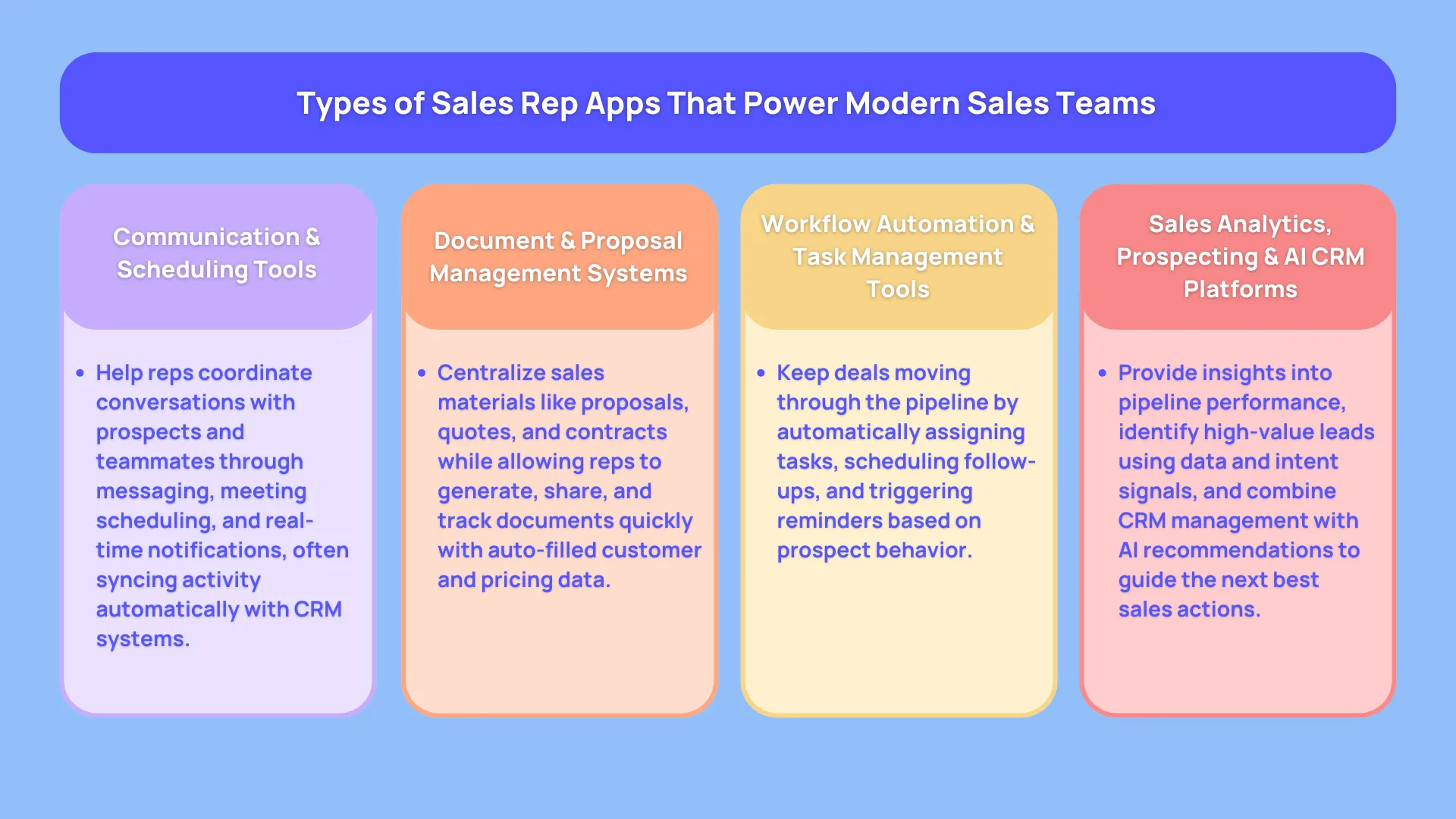
Not every sales tool serves the same purpose. Some focus on communication, others handle analytics, and some specialize in outreach automation.
A complete sales technology stack usually combines several types of sales rep apps working together.
Understanding these categories helps sales teams choose the right tools for their workflow.
Communication and Scheduling Tools
Communication tools help sales teams coordinate conversations with prospects and internal stakeholders.
These platforms often connect messaging, meeting scheduling, and notifications into a single workspace. When integrated with CRM apps for sales, they automatically update deal activity and notify the team about important events.
For example, when a prospect replies to an email or schedules a meeting, the system can instantly alert the responsible rep.
This kind of real time visibility keeps deals moving forward without constant manual checking.
Document and Proposal Management Systems
Sales deals involve a lot of paperwork. Proposals, quotes, contracts, and presentations all need to be organized and easily accessible.
Document management tools create a centralized repository for these assets. Reps can generate documents quickly, track engagement, and share files with prospects in seconds.
When connected to a CRM, product pricing and customer information automatically populate documents, saving significant preparation time.
Task and Workflow Automation Tools
Task management platforms ensure that deals progress smoothly through each stage of the pipeline.
Automated workflows can assign tasks, schedule follow ups, and trigger reminders based on prospect activity. For example, if a prospect opens a proposal but does not respond, the system can automatically create a follow up task.
These sales automation apps keep reps focused on the right opportunities without constant manual planning.
Sales Analytics and Performance Platforms
Analytics tools transform raw sales data into actionable insights.
They track metrics such as pipeline growth, deal conversion rates, average deal size, and rep performance. Managers rely on these insights to identify trends and coaching opportunities.
Advanced platforms even analyze conversations and messaging patterns to highlight what top performing reps do differently.
Sales Prospecting and Lead Intelligence Tools
Prospecting tools help reps identify high value leads faster.
Instead of manually researching companies and contacts, these platforms gather data from multiple sources to build detailed prospect profiles. They also prioritize leads based on engagement signals and buying intent.
For outbound teams, this dramatically increases efficiency.
AI Powered CRM Platforms
Modern CRM apps for sales have evolved far beyond simple contact databases.
Today’s systems combine pipeline management, automation, analytics, and AI insights in one platform. They monitor sales activity, suggest next steps, and help teams forecast revenue with greater accuracy.
Many also include CRM mobile apps, allowing reps to manage deals, log activities, and review pipelines directly from their phones.
This flexibility makes them especially valuable for field sales teams and remote sales environments.
Best Sales Rep Apps for Increased Productivity and Performance
The following platforms represent some of the best app for sales reps in 2026. Each tool supports a different part of the sales process, from collaboration and CRM management to conversation intelligence and contract automation.
These sales rep productivity apps were evaluated based on usability, automation capabilities, mobile performance, and their ability to simplify everyday sales workflows.
1. Slack - Overall Best Communication Tool For Sales Reps
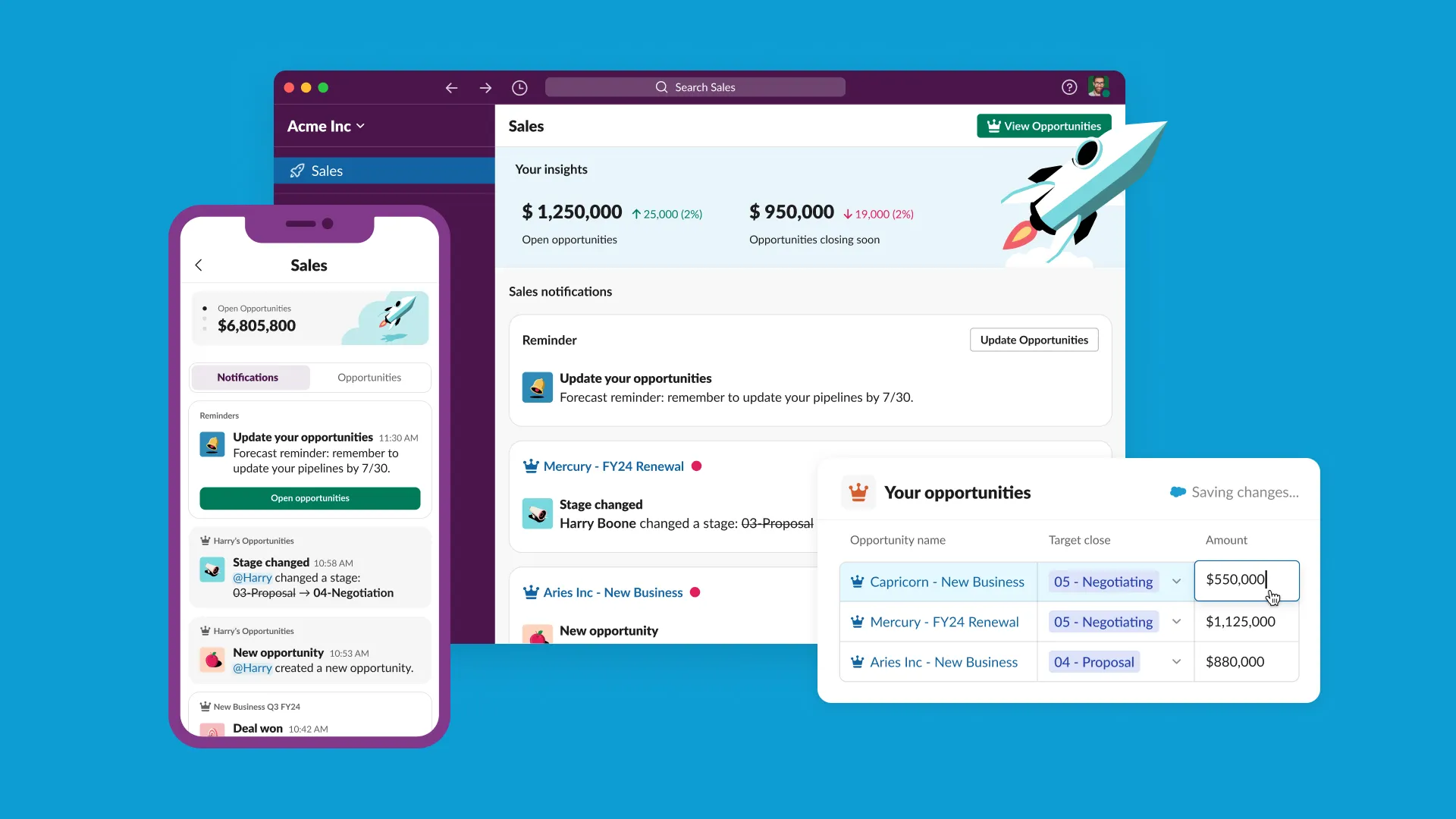
Best for team collaboration and real time sales communication
Sales teams move quickly, and communication delays can easily stall deals. Slack solves this problem by bringing conversations, tools, and notifications into a single workspace.
Instead of jumping between email, messaging apps, and CRM dashboards, reps can manage discussions and updates inside one platform.
Slack channels organize conversations around specific deals, accounts, or internal projects. This structure makes it easy for marketing, sales, and leadership teams to stay aligned on opportunities.
Sales reps also benefit from real time alerts. When a new lead enters the pipeline or a deal stage changes inside a CRM, Slack can notify the responsible rep instantly.
How Slack Helps Sales Teams
Team Collaboration
Sales rarely happens in isolation. Complex deals often require input from marketing specialists, product experts, and sales managers.
Slack channels allow teams to gather around specific accounts or opportunities. Instead of scattered email threads, every conversation related to a deal remains in one organized place.
Huddles and instant messaging also allow quick discussions without scheduling full meetings.
Automation and AI
Slack’s workflow builder allows sales teams to automate repetitive tasks. Follow up reminders, deal notifications, and onboarding checklists can all run automatically.
When integrated with CRM systems, Slack can also surface updates about pipeline activity, helping reps stay on top of important changes.
Deep Integrations
One of Slack’s biggest strengths is its integration ecosystem. The platform connects with hundreds of sales tools, including popular CRM apps for sales, calendar systems, and productivity platforms.
This connectivity turns Slack into a central command hub for sales teams.
2. Salesforce Sales Cloud - Good For Managing Sales Pipeline
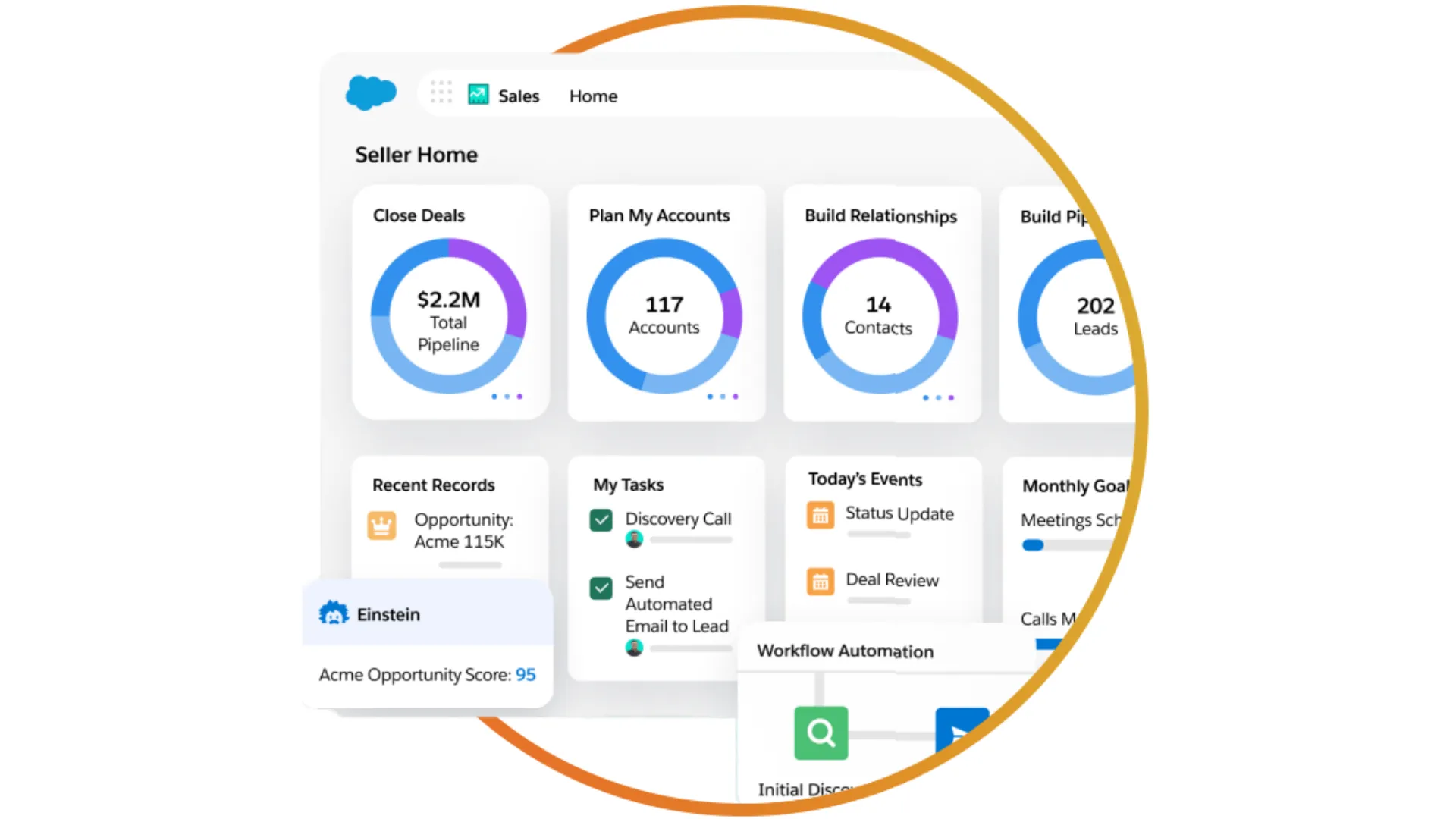
Best for enterprise CRM and advanced sales management
Salesforce Sales Cloud remains one of the most powerful CRM apps for sales available today. Designed for complex organizations, it supports everything from lead capture and pipeline tracking to advanced analytics and sales automation.
Large sales teams often rely on Salesforce because of its flexibility. Almost every workflow, data field, or automation rule can be customized to match a company’s sales process.
What Makes Salesforce Valuable for Sales Teams
Comprehensive Sales Management
Salesforce centralizes the entire sales process. Leads, contacts, deals, forecasts, and performance metrics all live inside one unified platform.
This level of visibility makes pipeline management far easier, especially for organizations managing multiple teams or regions.
AI Powered Insights
Salesforce includes powerful AI tools such as Einstein Activity Capture and Buyer Assistant. These features analyze customer behavior, track interactions, and highlight patterns that can influence deal outcomes.
Reps receive guidance on the next best actions for each opportunity.
Advanced Customization
Enterprise sales teams often operate with unique workflows and approval processes.
Salesforce allows organizations to create custom dashboards, Salesforce contract workflow automation, and territory management systems tailored to their structure.
Scalable Architecture
As companies grow, their sales operations become more complex. Salesforce supports multi region pipelines, role based permissions, and detailed reporting structures, making it ideal for scaling revenue teams.
The trade off is complexity. Smaller teams without dedicated CRM administrators may find the setup process challenging.
3. HubSpot Sales Hub
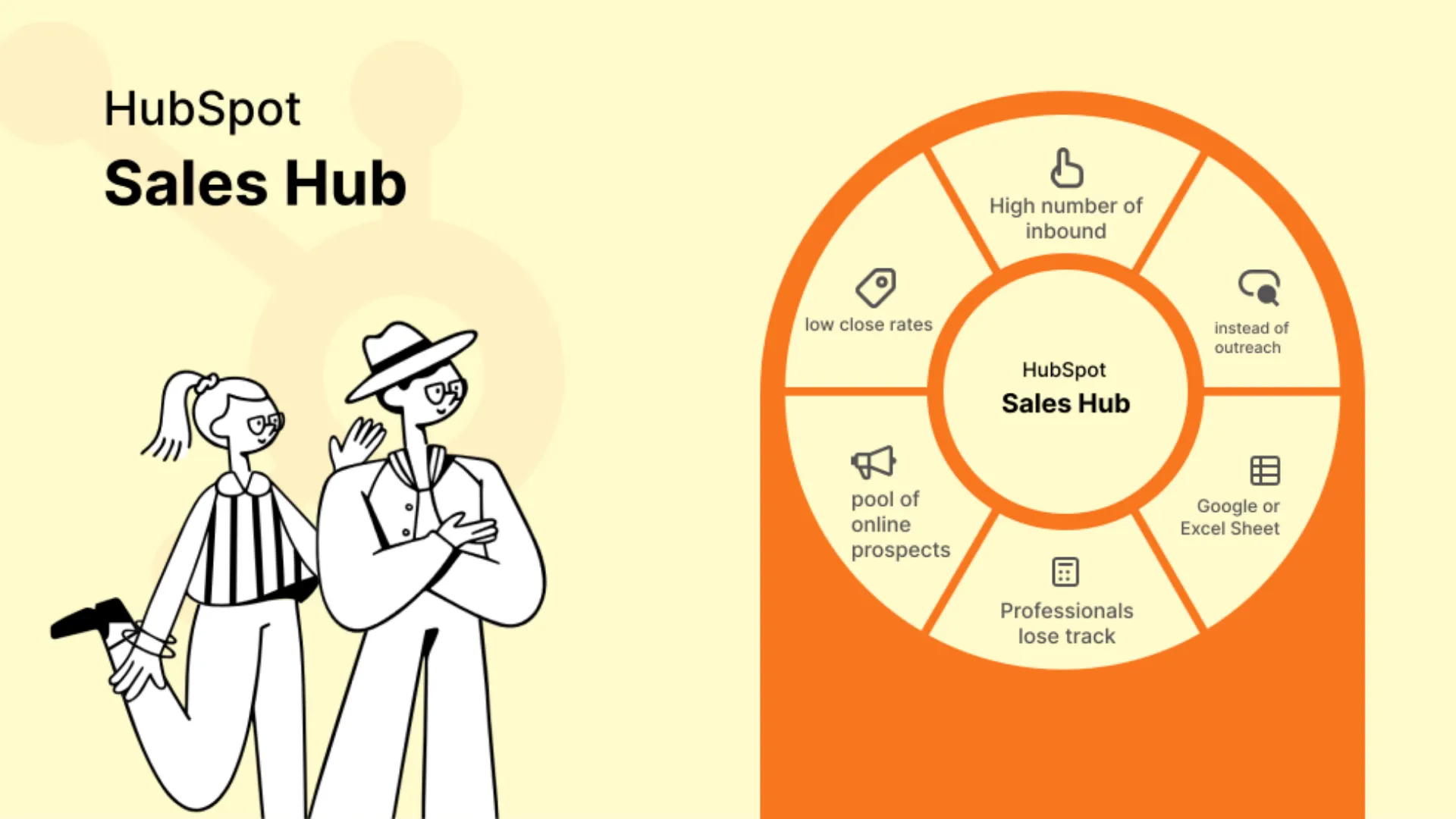
Best for inbound sales teams and marketing aligned revenue workflows
Many sales tools focus heavily on outbound prospecting. HubSpot Sales Hub takes a slightly different approach. It connects marketing activity, lead nurturing, and sales execution inside a unified system that feels far more approachable than many enterprise CRMs.
For teams working with inbound leads, content marketing, and lifecycle campaigns, HubSpot stands out as one of the most practical CRM apps for sales available today. The platform allows sales reps to track prospect activity, engage leads at the right moment, and manage the entire pipeline without juggling multiple systems.
HubSpot also performs extremely well as a CRM mobile environment, allowing reps to manage deals, track activity, and respond to prospects even when they are away from their desks.
Why HubSpot Works Well for Sales Teams
Unified CRM and marketing intelligence
Many deals begin long before the first sales call. Prospects may read blog posts, download guides, attend webinars, or interact with marketing campaigns before speaking with a rep.
HubSpot connects those early interactions directly to the sales pipeline. Reps can see exactly which content a prospect engaged with, what pages they visited, and which campaigns influenced their interest. That context allows more relevant conversations and stronger discovery calls.
Guided selling with AI assistance
HubSpot has steadily expanded its AI capabilities. Tools such as the Breeze Prospecting Agent assist reps with account research and personalized outreach preparation.
Predictive deal scoring highlights the leads most likely to convert, helping reps prioritize their time effectively. Instead of chasing every lead equally, sales teams can focus attention on the opportunities with the highest probability of closing.
Sales workspace built for daily productivity
The Sales Workspace brings contacts, deals, tasks, and communication history together in a single dashboard. Reps can move through their pipeline, send follow ups, schedule meetings, and track engagement without jumping between different screens.
For teams looking for strong sales rep productivity apps without the complexity of enterprise systems, HubSpot remains one of the most accessible choices.
Collaboration for distributed teams
Modern sales teams rarely sit in the same office. HubSpot includes shared dashboards, meeting links, and internal collaboration tools that help remote teams stay coordinated.
Because the system integrates closely with marketing tools, it also improves communication between demand generation teams and sales development representatives.
4. Gong - Decent Sales Rep Conversion Tool With Integrated AI Solutions
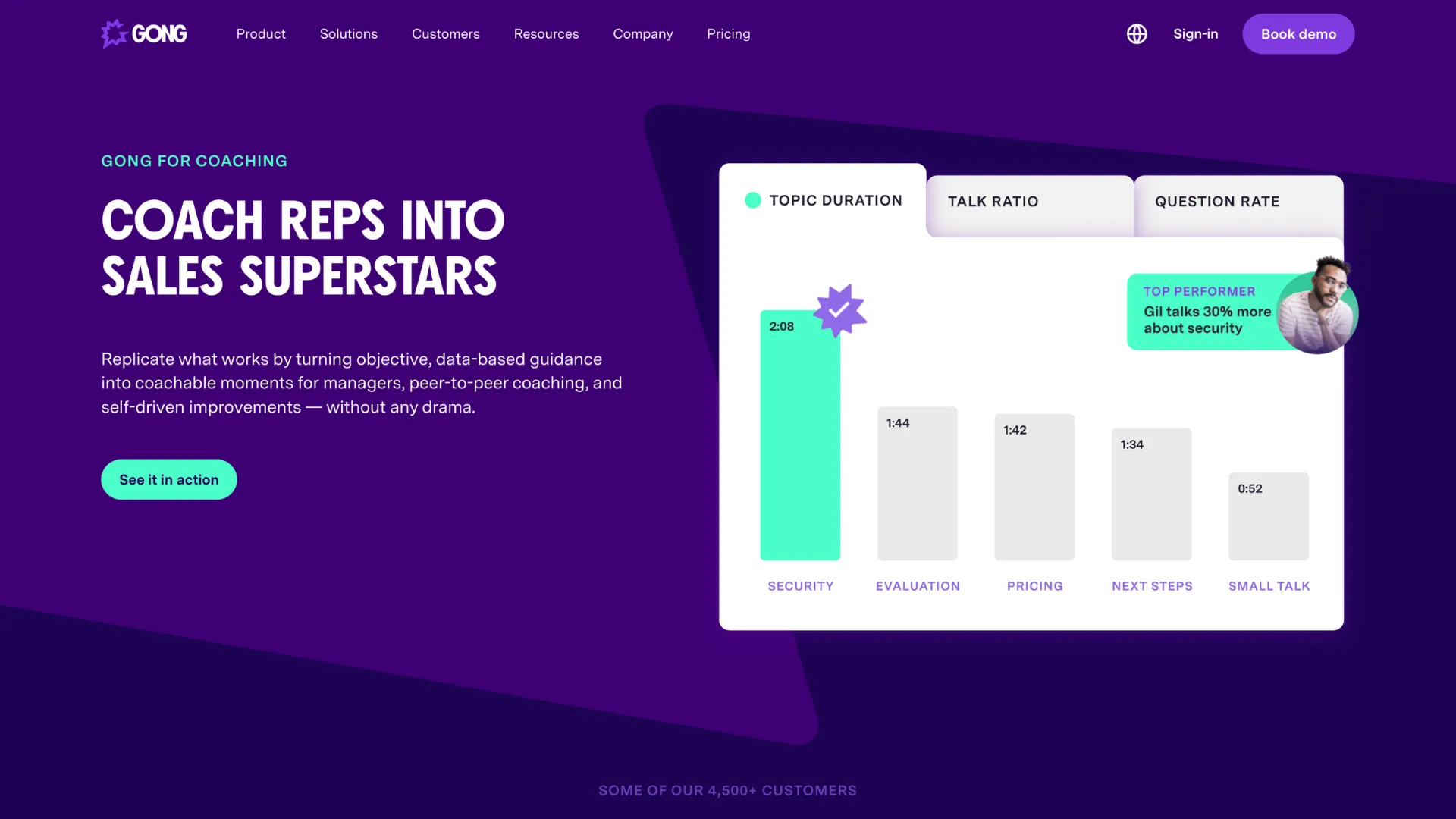
Best for conversation intelligence and sales coaching
Sales conversations contain a huge amount of valuable information. Unfortunately, that information often disappears once a call ends.
Gong solves this problem by recording and analyzing sales interactions across calls, meetings, and email threads. The platform transforms raw conversations into insights that help sales teams improve performance and forecast deals more accurately.
For organizations that rely heavily on phone calls, demos, and discovery meetings, Gong has become one of the most powerful sales engagement apps in the modern sales stack.
How Gong Improves Sales Performance
Full visibility into sales conversations
Gong records and transcribes calls automatically, then organizes them inside searchable libraries. Sales managers can review important conversations, identify patterns, and understand how deals evolve over time.
This level of transparency makes coaching far more effective. Instead of relying on rep summaries, managers can listen to actual conversations and provide targeted feedback.
Real time deal intelligence
The platform monitors signals that indicate deal health. For example, Gong can highlight pricing objections, competitor mentions, or sudden drops in engagement.
These alerts help reps react quickly before opportunities stall. A deal that might have slipped through the cracks becomes visible immediately.
Performance benchmarking
High performing reps often follow patterns that are difficult to identify through basic metrics. Gong analyzes communication behavior across teams and surfaces the strategies used by top performers.
This insight helps new hires ramp faster and allows teams to replicate successful selling techniques.
Centralized communication data
Sales communication often happens across multiple platforms including video calls, phone calls, and email threads. Gong consolidates these interactions into one environment.
That centralization turns the platform into a powerful knowledge base for sales teams looking to improve messaging and objection handling.
5. Chorus by ZoomInfo
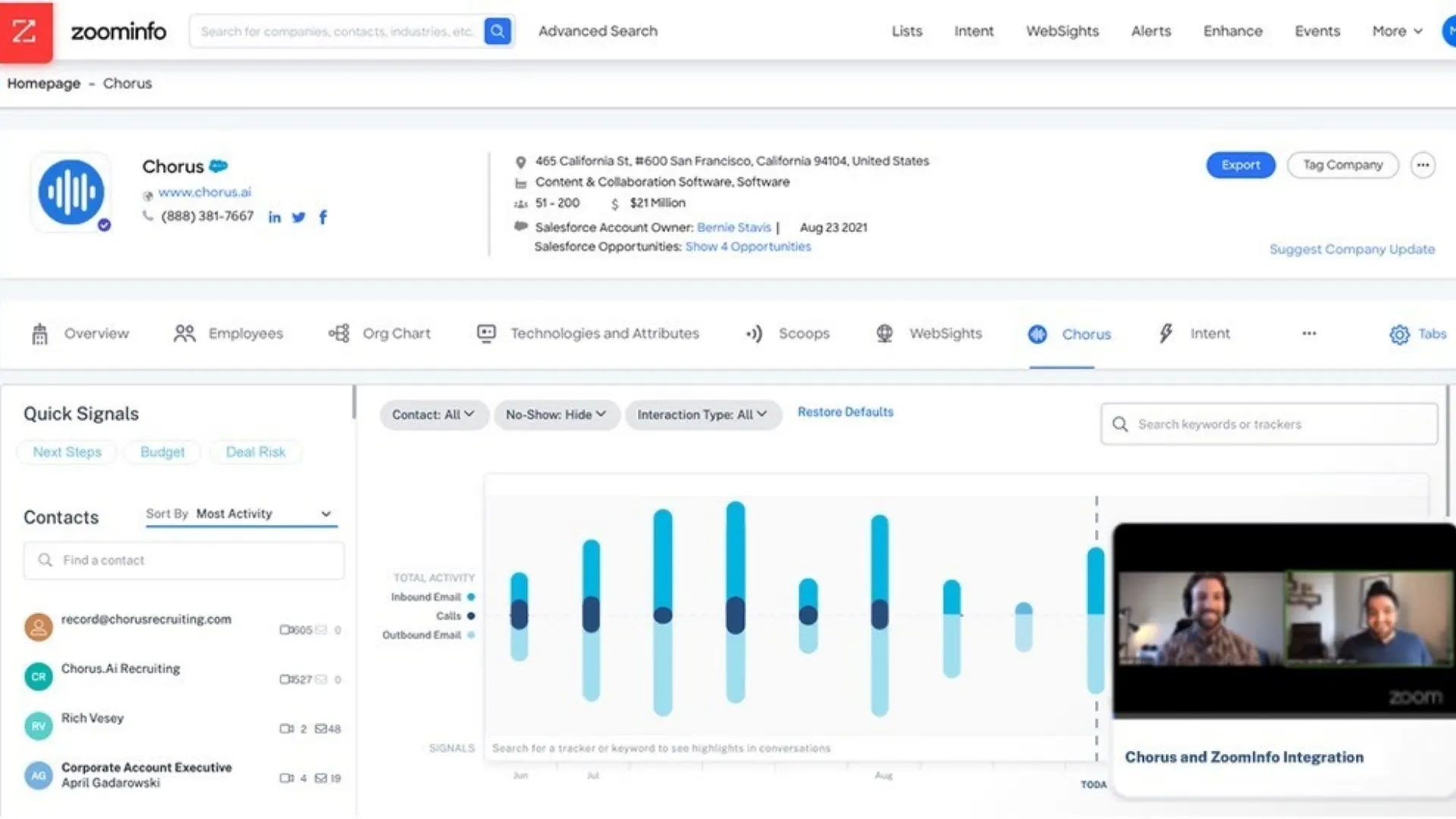
Best for conversation insights and buyer engagement tracking
Chorus, part of the ZoomInfo ecosystem, focuses on analyzing customer conversations and connecting those insights directly to account intelligence.
For sales teams managing complex deals with multiple stakeholders, this level of insight can make a huge difference. Instead of guessing how buyers feel about a proposal, Chorus analyzes conversation sentiment and engagement patterns to reveal the true state of the deal.
Because it connects with ZoomInfo’s extensive contact database, Chorus also helps sales teams expand their reach inside target accounts.
What Makes Chorus Valuable for Sales Teams
Automatic call recording and analysis
Chorus records meetings and calls automatically, then converts conversations into structured insights. Reps can review highlights, search for keywords, and revisit critical moments in deal discussions.
This helps teams identify objections, competitive mentions, and buying signals that might otherwise be missed.
Real time conversation coaching
During live meetings, Chorus can provide prompts and guidance to help reps steer conversations more effectively. If a prospect raises pricing concerns or references a competitor, the system can surface relevant suggestions instantly.
This capability makes Chorus especially helpful for new reps still developing their sales skills.
Buyer engagement signals
One unique feature inside Chorus is the Low Active Contacts Signal. This indicator warns reps when engagement inside an account begins to drop.
The system can also recommend additional decision makers inside the same organization. For deals involving multiple stakeholders, this insight helps sales teams build stronger relationships across the account.
ZoomInfo data enrichment
Because Chorus connects with ZoomInfo’s contact intelligence platform, sales reps gain access to enriched company data, verified contact details, and intent signals.
That context makes follow ups more targeted and improves overall prospecting efficiency.
6. DocuSign
Best for contract automation and faster deal closure
Deals often slow down during the final stage when contracts need approval and signatures.
DocuSign removes much of this friction by allowing businesses to send, sign, and track agreements digitally. Instead of waiting for paperwork to circulate through email attachments or printed documents, contracts move instantly between stakeholders.
For sales teams trying to accelerate deal velocity, DocuSign has become one of the most practical sales automation apps in the closing stage of the pipeline.
How DocuSign Helps Sales Teams Close Deals Faster
Digital signature workflows
DocuSign allows reps to send agreements that customers can sign electronically from any device. The process is simple and secure, which dramatically reduces delays associated with traditional contract signing.
Reps also receive instant notifications when documents are opened or completed.
Automated agreement routing
Contracts often require approval from multiple departments including finance, legal, and leadership. DocuSign automates this routing process.
Documents move from one reviewer to the next automatically, ensuring that approvals happen quickly without manual follow ups.
CRM integration for seamless document generation
DocuSign integrates with many CRM apps for sales, including Salesforce and HubSpot. Reps can generate contracts directly from CRM records with customer details and pricing already populated.
This reduces data entry errors and ensures consistency across documents.
Visibility into agreement progress
Sales teams can track exactly where each contract stands in the approval process. If a document is waiting for a signature or review, the system provides clear visibility.
That transparency helps reps manage expectations and close deals faster.
7. Trellus - Sales Dialer & AI Coaching for Cold Calling Teams
Best for: AI-powered cold calling, real-time sales coaching, and team performance optimization
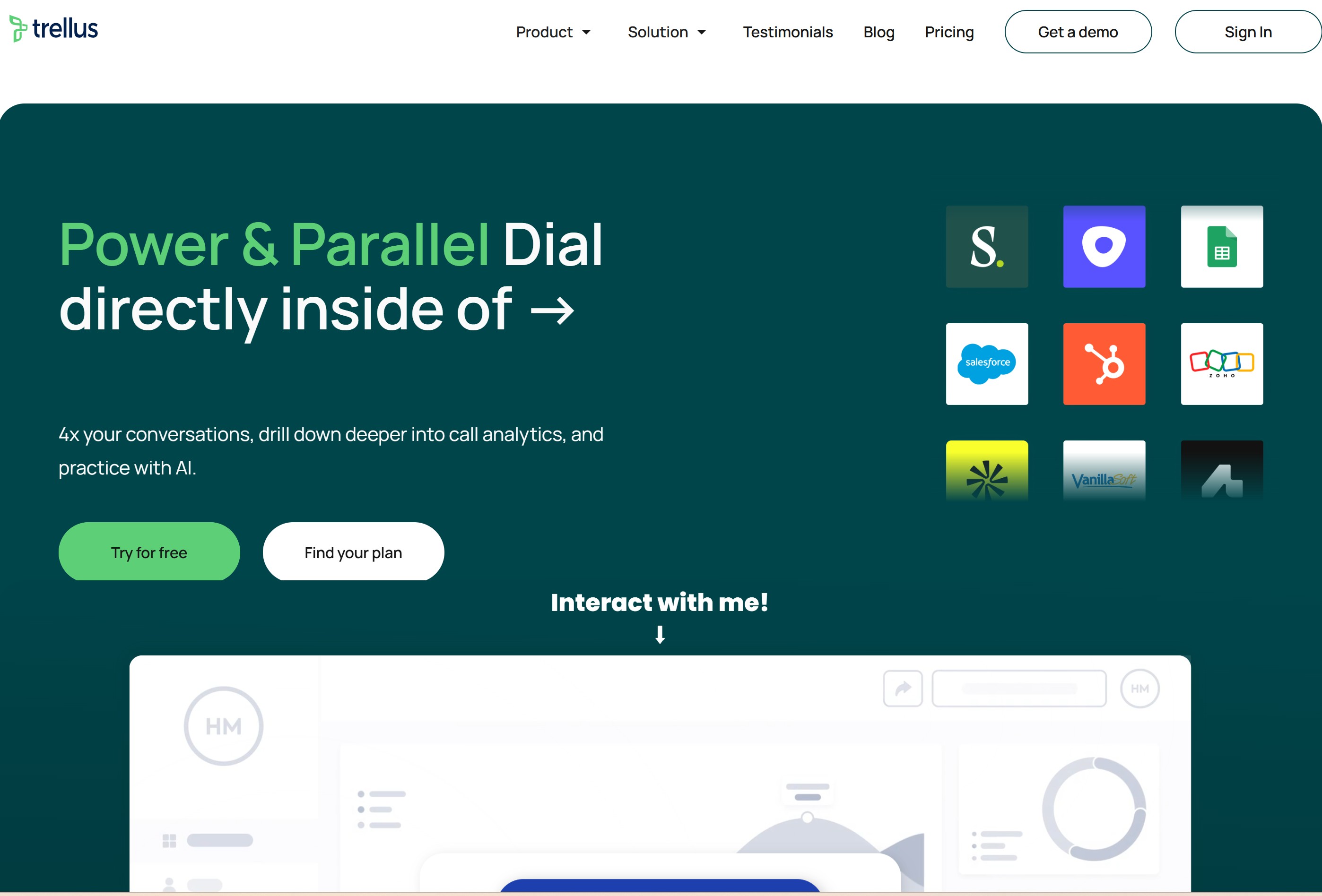
Trellus is an all-in-one AI sales coaching and parallel dialer platform designed specifically for cold calling teams and sales development representatives. Unlike traditional dialers that simply automate dialing, Trellus combines power dialing capabilities with real-time AI coaching to help reps improve their conversations and close more deals.
For sales teams struggling with call efficiency, rep consistency, and coaching at scale, Trellus offers a unified solution that removes friction from the outbound prospecting workflow while simultaneously improving rep performance through AI-driven guidance.
How Trellus Helps Sales Teams
Parallel Dialing with Intelligent Call Sequencing
Trellus automates the dialing process, allowing reps to move through call lists rapidly without manual dialing. The parallel dialer intelligently sequences calls based on prospect engagement patterns and optimal calling windows.
Once a call ends, the system automatically dials the next prospect in the queue, eliminating dead time and allowing reps to focus entirely on conversations rather than administrative tasks.
Real-Time AI Sales Coaching
During live calls, Trellus provides real-time coaching and guidance directly to reps. The AI analyzes conversation flow, detects objections, and surfaces relevant talking points and next steps in the moment.
This capability is especially valuable for new reps still developing their sales skills, as well as for teams looking to replicate the techniques used by top performers across the entire organization.
Automatic Call Recording and Analysis
Trellus records all calls automatically and provides detailed transcripts and performance analytics. Sales managers can review important conversations, identify patterns, and understand which techniques drive higher conversion rates.
This level of transparency makes coaching far more effective and helps teams identify best practices that can be shared across the entire team.
Performance Benchmarking and Team Analytics
The platform tracks key metrics such as connection rates, call duration, talk time ratios, and conversion performance. Managers can compare individual rep performance against team benchmarks and identify coaching opportunities.
Advanced analytics also surface the strategies used by top performers, helping managers replicate success across the organization and accelerate ramp time for new hires.
Seamless CRM Integration
Trellus integrates with popular CRM systems, automatically logging call data, updating deal stages, and capturing prospect information without manual data entry.
This integration ensures that all sales activity is tracked in real time, providing accurate pipeline visibility while reducing the administrative burden on reps.
AI-Powered Practice and Training
Beyond live call coaching, Trellus includes AI practice tools that allow reps to rehearse objection handling, refine their pitch, and build confidence before real calls.
This continuous learning environment helps teams improve faster and maintain consistent messaging across the organization.
Why Trellus Works Well for Outbound Sales Teams
Trellus addresses a critical gap in the sales tech stack. Most platforms focus on either dialing efficiency or coaching, but not both. Trellus combines these capabilities into a unified platform that improves both productivity and performance simultaneously.
For sales development teams managing high call volumes, Trellus eliminates the friction of manual dialing while ensuring that every call is an opportunity to improve. The real-time coaching creates a learning environment where reps get immediate feedback, leading to faster skill development and higher conversion rates.
The platform is especially valuable for organizations with distributed teams, as it provides consistent coaching and performance visibility regardless of location. Managers can coach reps based on actual call recordings rather than secondhand reports, leading to more targeted and effective feedback.
16. Apollo.io
Best for prospecting, lead intelligence, and outbound sales workflows
Sales reps often lose a significant amount of time moving between prospect databases, email platforms, and CRM systems just to build a qualified outreach list. Apollo.io reduces that friction by combining prospect data, outreach automation, account research, and engagement tracking inside a single platform.
For teams responsible for generating pipeline, Apollo.io serves as both a lead intelligence platform and a sales engagement solution. Reps can identify potential buyers, verify contact information, launch outreach campaigns, and monitor engagement activity without constantly switching between multiple tools.
The platform is particularly valuable for sales development representatives and account executives who need a steady flow of qualified prospects while maintaining personalized outreach at scale.
How Apollo.io Helps Sales Teams
Extensive Contact and Company Database
Finding accurate contact information remains one of the biggest challenges in outbound sales.
Apollo.io provides access to a large database of professional contacts and company profiles, allowing reps to identify decision makers based on job title, company size, industry, location, revenue, and dozens of other criteria.
This reduces the amount of manual research required before outreach begins and helps teams build more targeted prospect lists.
Built In Sales Engagement Capabilities
Many organizations rely on separate tools for prospecting and outreach. Apollo.io brings both functions together.
Reps can create multi step sequences that combine emails, calls, and task reminders. Once a prospect enters a sequence, follow ups occur automatically according to predefined rules.
This creates consistency across the sales process while reducing administrative work for individual reps.
Buyer Intent and Engagement Signals
Not every prospect deserves the same level of attention.
Apollo.io surfaces engagement data that helps sales teams prioritize outreach efforts. Reps can see who is opening emails, interacting with content, or showing signs of interest.
These signals make it easier to focus time on accounts that are more likely to enter active buying conversations.
CRM Synchronization
Maintaining clean CRM records is often one of the least popular parts of a sales rep's day.
Apollo.io connects with major CRM platforms and automatically syncs prospect activity, contact information, and engagement history. This reduces duplicate data entry and helps ensure that pipeline information remains accurate.
Performance Reporting and Activity Tracking
Managers gain visibility into outreach effectiveness through built in analytics and reporting dashboards.
Teams can measure reply rates, meeting conversion rates, sequence performance, and overall prospecting activity. These insights help leaders identify successful messaging patterns and coaching opportunities across the organization.
Why Apollo.io Works Well for Modern Sales Teams
Apollo.io combines several categories of sales software into a single platform. Prospecting, contact enrichment, outreach automation, engagement tracking, and reporting all operate within the same environment.
For growing sales teams looking to simplify their technology stack while improving outbound performance, Apollo.io offers a practical balance between functionality, usability, and scalability.
17. Calendly
Best for meeting scheduling and reducing administrative work
One of the most underestimated productivity drains in sales is scheduling meetings.
What appears to be a simple task often turns into lengthy email exchanges involving availability checks, time zone coordination, rescheduling requests, and calendar conflicts. When multiplied across dozens of opportunities each month, these small delays can create significant friction in the sales process.
Calendly solves this challenge by allowing prospects to book meetings directly based on a rep's real time availability. Rather than exchanging multiple emails to find a suitable time, prospects simply choose an available slot and receive automatic confirmations and reminders.
For sales teams focused on improving response speed and increasing meeting volume, Calendly has become one of the most valuable productivity apps available.
How Calendly Helps Sales Teams
Instant Meeting Booking
Speed matters throughout the buying journey.
When a prospect expresses interest, every additional delay increases the risk of losing momentum. Calendly allows sales reps to send a scheduling link immediately after a conversation, email exchange, or form submission.
Prospects can select a meeting time within seconds, dramatically shortening the time between interest and engagement.
Automatic Calendar Synchronization
Double bookings and scheduling conflicts create unnecessary frustration for both buyers and sellers.
Calendly connects directly with major calendar platforms and updates availability automatically. When a meeting is scheduled, the corresponding time slot becomes unavailable across connected calendars.
This eliminates manual scheduling errors and creates a smoother experience for everyone involved.
Automated Reminders and Follow Ups
Missed meetings can disrupt pipeline progression and waste valuable selling time.
Calendly automatically sends confirmation emails, reminder notifications, and follow up communications before scheduled meetings. These automated touchpoints help improve attendance rates while reducing manual coordination work.
Round Robin Scheduling for Teams
Many organizations route leads to multiple sales representatives.
Calendly's round robin functionality distributes meetings automatically across available team members according to predefined rules. This creates balanced lead allocation while ensuring prospects receive timely responses.
For inbound sales teams handling large lead volumes, this feature can significantly improve efficiency.
Integration With Sales Technology Stacks
Calendly integrates with many popular CRM and sales engagement platforms.
Meeting activity can be logged automatically, prospect records can be updated instantly, and workflow automations can trigger based on booking activity. This connectivity reduces administrative work and keeps sales data accurate across systems.
Why Calendly Works Well for Sales Reps
Sales productivity often comes down to removing small obstacles that accumulate throughout the day.
Calendly removes one of the most common sources of friction in modern selling. Instead of spending time coordinating schedules, reps can focus on conversations, discovery calls, demos, and deal progression.
For organizations looking to improve meeting conversion rates while reducing administrative workload, Calendly remains one of the most practical sales rep productivity apps available today.
18. Notion
Best for sales organization, knowledge management, and team documentation
Sales teams generate enormous amounts of information every week.
Call notes, competitive intelligence, onboarding materials, playbooks, objection handling frameworks, product updates, account plans, and meeting summaries all need a home. Unfortunately, this information often becomes scattered across shared drives, spreadsheets, documents, and messaging platforms.
Notion helps solve this problem by creating a centralized workspace where sales teams can organize knowledge, collaborate on projects, and maintain operational consistency.
While Notion is not a traditional CRM app for sales, it has become an increasingly important productivity tool for modern revenue organizations because it gives teams a structured way to manage information that supports the sales process.
How Notion Helps Sales Teams
Centralized Sales Knowledge Base
Every successful sales team develops valuable knowledge over time.
Winning email templates, objection responses, competitive positioning documents, discovery frameworks, and onboarding resources often become critical assets. Notion allows organizations to store and organize this information inside a searchable workspace.
New hires can find answers quickly, and experienced reps can access important resources without searching through multiple systems.
Meeting Notes and Account Planning
Sales professionals constantly gather information during calls and customer interactions.
Notion provides flexible note taking and documentation capabilities that help reps organize account insights, meeting summaries, action items, and strategic plans. Information remains accessible and easy to update as opportunities evolve.
This creates continuity across longer sales cycles involving multiple stakeholders.
Team Collaboration
Complex deals frequently require coordination between sales, marketing, product, customer success, and leadership teams.
Notion allows multiple contributors to work within shared documents and project spaces. Teams can collaborate on account strategies, proposal preparation, competitive analysis, and customer initiatives without creating fragmented communication trails.
Process Documentation and Onboarding
Sales managers often struggle to scale best practices across growing teams.
Notion makes it easier to document sales processes, onboarding programs, training materials, and operational workflows. New team members can follow structured learning paths while experienced reps gain access to updated guidance and resources.
This consistency becomes increasingly valuable as organizations expand.
AI Assisted Content Creation
Notion includes AI powered capabilities that help users summarize notes, generate content drafts, organize information, and surface relevant knowledge from large databases.
For sales teams managing large volumes of information, these features can reduce manual documentation work while improving knowledge accessibility.
Why Notion Works Well for Revenue Organizations
Many sales tools focus on pipeline management, prospecting, or communication. Notion fills a different but equally important role.
The platform serves as the operational knowledge center that supports the entire revenue organization. When sales information is organized effectively, teams spend less time searching for answers and more time engaging prospects and customers.
For organizations looking to improve collaboration, knowledge sharing, and operational efficiency, Notion has earned its place among the best apps for sales reps in 2026.
How We Evaluated These Sales Rep Apps
Sales software serves two audiences: the reps who use it daily and the managers who oversee performance and forecasting. We evaluated each app by measuring how well it delivered value to both groups.
From the rep perspective, we judged usability, speed, and whether the platform reduced administrative burden. We looked at whether reps could access critical information quickly, respond to prospects without delays, and move through their pipeline without constant toggling between systems.
From the manager perspective, we assessed visibility, reporting accuracy, and coaching capabilities. We examined whether the platform provided clear pipeline data, activity tracking, and insights that helped leaders make better decisions.
We also evaluated conversation intelligence features, testing how well platforms like Gong and Chorus captured and analyzed sales interactions. For contract and closing tools like DocuSign, we measured deal velocity improvements and approval automation. For communication platforms like Slack, we assessed team alignment and notification effectiveness.
The apps that performed best were those that created value for both reps and managers simultaneously, rather than optimizing for one group at the expense of the other.
Why Mobile Apps for Sales Rep Are Essential for Outbound Teams
Sales no longer happens exclusively behind a desk.
Many reps travel frequently, attend industry events, meet clients on site, or work remotely across different locations. In these situations, desktop software alone cannot support the pace of modern selling.
That is where mobile sales tools become critical.
A strong CRM mobile experience allows reps to manage their pipeline, respond to leads, and review deal activity from anywhere. With the right apps installed on a smartphone or tablet, sales professionals can keep deals moving even when they are away from their laptops.
General Benefits of Mobile Sales Tools
Real time access to pipeline data
Mobile CRM apps allow reps to review contacts, opportunities, and notes during meetings or travel. Instead of waiting to update information later, they can log activity immediately after a conversation.
This improves data accuracy and ensures that the pipeline remains up to date.
Faster response to prospects
Speed matters in sales. Prospects often reach out to multiple vendors simultaneously, and the fastest response frequently wins the opportunity.
Mobile notifications allow reps to respond quickly to new leads, meeting requests, or inbound inquiries.
Improved field sales performance
For field sales professionals visiting customer locations, field sales apps provide access to product catalogs, presentations, pricing information, and order forms.
Reps can complete transactions, update account records, and capture notes directly from their devices.
Better alignment with remote teams
Even when team members operate from different locations, mobile tools keep everyone connected. Updates appear instantly across systems, ensuring that managers and teammates always see the latest deal information.
Sales Dialer Apps That Increase Calling Efficiency
Cold calling and outbound prospecting still play a major role in many sales strategies. However, manually dialing numbers and logging calls wastes valuable time.
Sales dialer apps eliminate much of this friction. These tools automate dialing, log call data automatically, and integrate call activity with CRM systems.
For sales development representatives and outbound teams, dialers can significantly increase daily call volume without increasing workload.
How Sales Dialer Apps Improve Productivity
Power dialing and automated call sequences
Dialer systems allow reps to move through call lists rapidly. Once a call ends, the system automatically dials the next prospect in the queue.
This eliminates manual dialing and allows reps to focus entirely on conversations.
Automatic call logging
Instead of manually entering call notes into CRM systems, dialer apps capture call details automatically. Call recordings, timestamps, and contact information are stored inside the system.
This reduces administrative work and improves data accuracy.
Call analytics and performance tracking
Sales dialers often include analytics that track connection rates, call duration, and conversion performance. Managers can review these metrics to identify coaching opportunities and improve outreach strategies.
Integration with sales engagement platforms
When dialers connect with sales engagement apps, outreach sequences become far more efficient. Calls, emails, and follow ups can run as part of coordinated multi channel campaigns.
Frequently Asked Questions
Why Is Workflow Fit More Important Than Category Leadership?
Many sales apps are marketed as category leaders, but category leadership does not always translate into daily usefulness for reps.
A sales team may buy the leading CRM, conversation intelligence platform, or proposal tool and still find that the overall workflow feels disjointed. What matters more is whether the app fits the team’s motion, selling style, and internal processes.
For example, an inside sales team running high-volume outreach may prioritize speed, task visibility, and communication flow.
A field sales team may care more about mobile performance, quick note capture, and access to account context between meetings. In both cases, the best app is not just the one with the strongest reputation. It is the one that supports how the rep actually works.
Why Do Rep Experience and Manager Priorities Sometimes Conflict?
Sales software is often evaluated by both the people who use it and the people who report on it.
Managers may prioritize visibility, reporting, forecasting, and process compliance, while reps may care more about speed, usability, and reduced admin burden. An app can therefore look excellent from a management perspective while feeling cumbersome from the rep’s point of view.
This tension is important because adoption depends heavily on perceived day-to-day value.
If reps feel that an app exists mainly to collect data for leadership, they may use it reluctantly or inconsistently. The best sales apps create value for both sides. They improve visibility for managers while also making it easier for reps to sell, respond, and move deals forward.
How Important Is Mobile Performance for Modern Sales Reps?
Mobile performance is no longer a secondary consideration.
Many reps now work across hybrid environments, travel between meetings, or need to respond quickly away from their desks. In those moments, the usefulness of a sales app depends on whether it can surface key account context, support fast updates, and make follow-up easy from a phone or tablet.
This is especially relevant for field sales teams and distributed organizations.
A weak mobile experience can create delays, incomplete records, and missed opportunities, even when the desktop version of the platform is strong. The best app for sales reps should support productivity wherever selling happens, not only when the rep is sitting in front of a laptop.
What Should Buyers Really Look for When Choosing the Best App for Sales Reps?
Buyers should look beyond broad claims about automation, AI, or market leadership and focus instead on practical performance.
The best app for sales reps should reduce task switching, support the daily sales workflow, improve response speed, and make it easier to capture and act on customer context. It should also fit naturally into the team’s existing operating system rather than forcing a disruptive process change for basic tasks.
Most importantly, buyers should remember that there may not be a single perfect sales app in isolation.
The real goal is to build a workflow that feels unified to the rep. Sometimes that comes from one strong platform. In other cases, it comes from a small set of tightly integrated tools. The strongest buying decision is the one that helps reps spend less time managing software and more time selling.