Our Top Picks


Picture this. You’ve just landed a new role at a growing tech company. Your badge still smells new, your inbox is clean, and your team seems genuinely supportive.
But then the title hits you, Sales Development Representative. Suddenly, you realize you’re about to enter one of the most fast-paced and high-pressure entry-level sales jobs with training that tests grit, curiosity, and consistency more than anything else.
Still, if you’ve ever wondered how to become an SDR, build confidence, and set yourself up for long-term success in tech sales, you’re already ahead of most. Because this isn’t just another job, it’s your launchpad into a career that can shape your communication skills, business acumen, and mindset for the rest of your professional life.
What Does an SDR Do?
Before talking about career growth, it helps to get crystal clear on what a sales development representative is responsible for.
SDRs are the first point of contact between a company and its potential customers. Their main task is simple in theory but demanding in execution: generate and qualify leads so that account executives can focus on closing deals.
Here’s what that usually looks like in practice:
Prospecting
This is where you hunt for opportunities. SDRs spend a large portion of their day researching prospects through social media, industry events, and online tools. The goal is to identify potential customers who might benefit from the company’s product or service. Prospecting requires curiosity, patience, and pattern recognition; it’s like detective work with a quota.
Lead Qualification
Once you’ve found potential leads, your next task is to figure out if they’re worth pursuing. This involves assessing their fit based on four common criteria: Budget, Authority, Need, and Timeline. Think of it as ensuring both sides don’t waste time. You only move forward with prospects who actually have a reason and the ability to buy.
Lead Nurturing
Not every lead will be ready to buy today. SDRs build relationships over time through personalized emails, follow-ups, and social touches. The goal is to stay top of mind until the timing is right. This is where persistence meets empathy, understanding when to push and when to pause.
Appointment Setting
Once a lead shows serious interest, it’s your job to schedule meetings between them and the account executive. Those meetings are the foundation of the sales pipeline. Without consistent appointment setting, no deals get closed.
Data Management
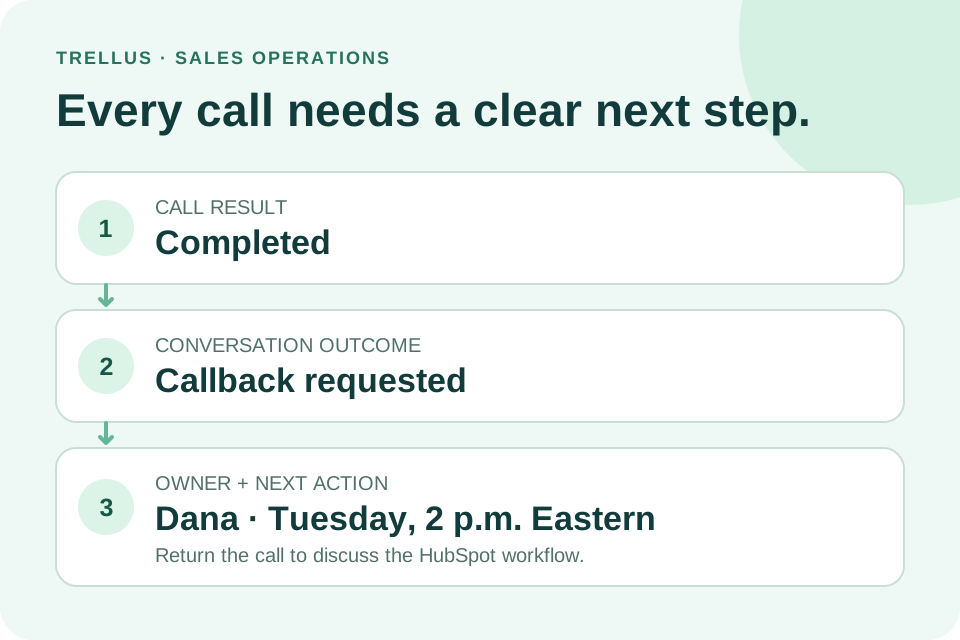
Everything you do needs to be tracked in a CRM system. This includes notes, next steps, and call outcomes. Organized SDRs make everyone’s lives easier, especially their future selves when it’s time for performance reviews or promotions.
Why the SDR Role Matters So Much
A strong SDR function keeps a company’s sales engine running. Marketing might generate awareness, and account executives might close deals, but SDRs are the bridge between the two. They make sure opportunities are real, well-qualified, and properly prepared before being passed on.
From a customer’s perspective, SDRs are often the first human voice representing the company. That early impression can shape the entire buyer experience. A good SDR doesn’t just ask questions; they listen, relate, and guide prospects toward a solution.
And for anyone starting out, the SDR role is an incredible career foundation. It’s one of the few positions that combines psychology, communication, and business strategy every single day. Many of today’s top sales leaders, startup founders, and revenue strategists began in this same seat, making cold calls and learning what real-world selling feels like.
Understanding Lead Qualification (The SDR’s Core Skill)
If you’re serious about how to get hired as an SDR, understanding lead qualification will immediately make you stand out. This skill separates average reps from future stars.
When you qualify a lead, you’re figuring out if a person or company is the right fit for what you sell. You’re not guessing, you’re gathering information that helps your team prioritize where to invest their time.
Here’s what to look for:
- Budget: Does this prospect actually have the financial capacity to buy your product? This doesn’t mean asking bluntly about money. Instead, learn to recognize buying signals in conversation, references to existing tools, current spending, or upcoming projects.
- Authority: Are you speaking to the decision-maker or someone who can influence one? Knowing how to navigate organizational hierarchies is a skill that improves with practice.
- Need: Every SDR should be able to spot a real problem their product can solve. The best reps don’t push features; they diagnose pain points.
- Timeline: Timing can make or break deals. Some prospects need a solution now, others might revisit in a quarter or two. Understanding when they plan to act helps you prioritize your outreach.
This qualification mindset keeps you efficient and focused. Instead of chasing every shiny lead, you’re spending time on prospects that actually matter.
A Day in the Life of a Sales Rep

If you’re curious what the average day in the life of a sales rep looks like, picture organized chaos. Every minute counts, and structure becomes your best friend.
Here’s a snapshot:
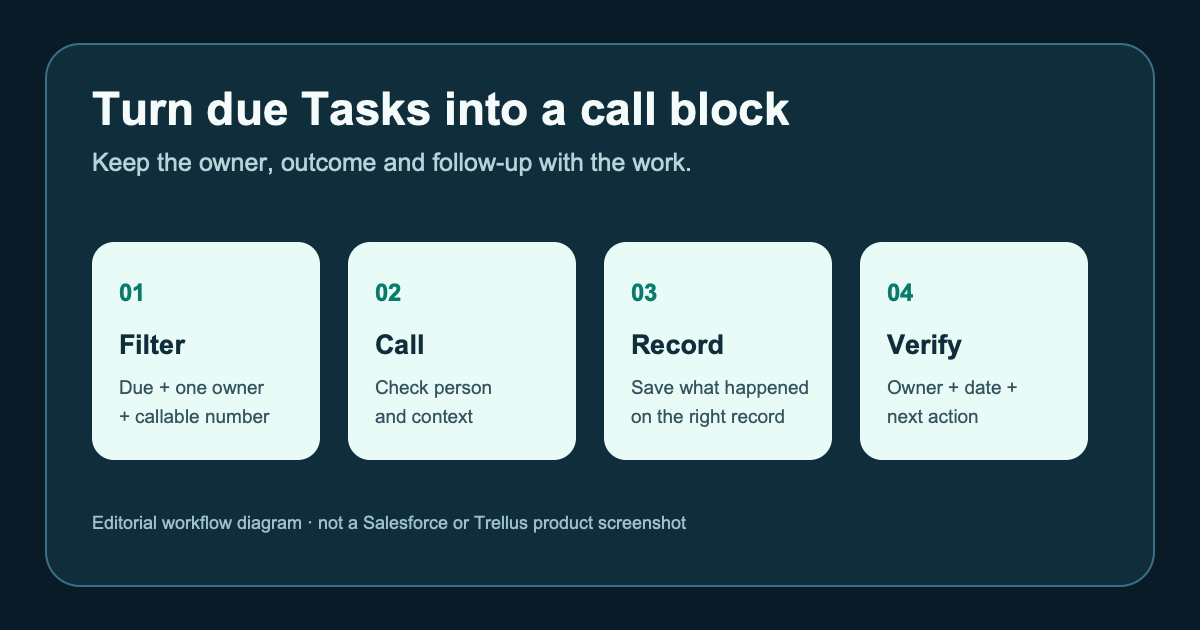
- Morning: Most SDRs start their day reviewing new inbound leads or updating yesterday’s CRM notes. Then comes call block number one, an hour or two of cold calls while energy is high and prospects are available.
- Midday: Time for follow-up emails, researching new accounts, and attending internal syncs with marketing or account executives.
- Afternoon: This is usually when SDRs work through personalized outreach and second call blocks. If you’ve got demos or discovery calls scheduled, this is when they happen.
- End of Day: Reflection and admin time, logging notes, updating contact records, and reviewing daily performance metrics. Many reps also spend a few minutes learning something new before signing off.
It’s fast-paced, repetitive, and often unpredictable. But the structure, learning curve, and visibility across departments make it an unbeatable entry point for anyone looking at a tech sales career roadmap.
Essential SDR Skills 2025
The sales landscape keeps evolving. Automation, AI tools, and smarter buyers mean SDRs need to stand out with more than just hustle. The most in-demand essential SDR skills 2025 will revolve around adaptability and emotional intelligence.
Here’s what’s becoming non-negotiable:
- Active Listening: Modern buyers can tell when you’re reading a script. Listening carefully to what they actually mean is what sets you apart.
- Business Awareness: Knowing your product isn’t enough. Understanding how your prospects make money and where your solution fits in their workflow turns you into a trusted advisor.
- Resilience: Rejection is a daily reality. The top performers use it as data, not discouragement.
- Tech Fluency: CRM systems, sales engagement tools, and automation platforms are everywhere. Being tech-comfortable is no longer optional.
- Written Communication: Most outreach happens over email or LinkedIn. The ability to write clear, thoughtful messages gives you a massive edge.
Developing these skills early helps you not only succeed in your first year but also prepare for what’s next on your SDR career growth path, becoming an Account Executive, Sales Manager, or even Revenue Leader.
How To Get Hired as an SDR
Looking for roles to apply to? Browse the Trellus SDR and BDR jobs shortlist for direct employer application links, location requirements and published pay. The free interview scorecard helps you compare quota, ramp support and the day-to-day work.
Getting your first break into sales development can feel intimidating, especially when every job post seems to ask for “1–2 years of sales experience.” The truth is, most hiring managers don’t expect you to have mastered sales; they want to see curiosity, coachability, and grit.
If you’re wondering how to get hired as an SDR, think about what you can control: your mindset, your communication, and the story your resume tells.
Start with your energy. Hiring managers can teach process and tools, but they can’t teach drive. If you show that you’re hungry to learn, unafraid of rejection, and interested in understanding customers, that’s half the battle won.
When it comes to your resume, highlight moments where you showed initiative, problem-solving, or resilience. You don’t need prior sales titles, experience in retail, customer service, teaching, or even sports ,often demonstrates the same qualities. Mention any experience where you worked with goals or handled objections. Those examples carry more weight than generic buzzwords.
If you’re completely new to the field, look for entry-level sales jobs with training. Many tech companies intentionally design programs to help newcomers learn from scratch. Others partner with outbound sales certification programs or offer access to sales bootcamp reviews and training paths. These resources can fast-track your understanding of outbound prospecting, objection handling, and CRM tools before you even start your first day.
Another underrated move: reach out to current SDRs on LinkedIn. Ask about their daily routines, favorite tools, and what they wish they’d known when starting. Most will happily share advice or even refer you to open roles at their company. Networking in this way signals initiative , and referrals can dramatically boost your hiring odds.
The Power of Mentorship and Shadowing
No matter how driven you are, trying to figure out everything on your own is a recipe for burnout. Great SDRs know that learning accelerates when you surround yourself with people who’ve already been where you want to go.
Shadowing your colleagues is one of the best ways to grow fast. Listen to their calls. Watch how they open conversations, handle objections, and keep prospects engaged. Notice the pacing of their voice and how they end each interaction. You’ll pick up patterns that can take months to learn otherwise.
When you observe successful reps, don’t just copy their scripts. Pay attention to their thought process. What questions do they ask? How do they sound confident without being pushy? Every SDR has their own rhythm. The key is to borrow techniques that feel authentic to your personality.
If your company offers mentorship, take full advantage of it. Schedule recurring sessions with your manager or a senior rep. Use that time to review call recordings or email threads and ask for honest feedback. These small adjustments can transform your performance.
And remember, mentorship doesn’t have to be formal. You can find mentors through online sales communities, tech sales career roadmap discussions, or even alumni networks. The best ones won’t just teach you tactics; they’ll challenge how you think about communication, motivation, and consistency.
Building Mental Strength: Turning Rejection Into Momentum
Every SDR faces rejection daily. Sometimes it’s polite; sometimes it stings. Either way, learning to process it is one of the biggest mindset shifts you’ll ever make.
When you start out, rejection feels personal. You’ll spend hours writing an email only to get a one-word reply: “Not interested.” Or worse, silence. But the truth is, rejection rarely has anything to do with you. It’s usually about timing, budget, or priorities outside your control.
The best SDRs treat rejection as feedback, not failure. They look at what could be improved , maybe the outreach wasn’t personalized enough, or the timing was off. Each “no” becomes data that helps refine their approach.
Here’s what helps:
- Keep a Rejection Log: Track objections and categorize them. Over time, patterns emerge, and you’ll know exactly how to address them next time.
- Detach Emotion from Outcome: Focus on actions, not results. You can’t control how prospects respond, but you can control the quality of your calls and emails.
- Celebrate Micro-Wins: Even a great conversation or a positive reply counts. Recognizing progress fuels momentum.
Once you stop fearing rejection, you’ll start experimenting more, testing new angles, messages, and questions. That’s when your learning curve skyrockets.
Outbound Sales Certification Programs and Bootcamps That Make a Difference

If you’re serious about building your foundation faster, structured training can be a game-changer. The market now offers several outbound sales certification programs and sales bootcamp reviews that can help you stand out before your first interview.
These programs aren’t just about learning buzzwords. They teach hands-on prospecting, how to structure a cold call, how to qualify a lead, and how to manage your pipeline like a pro. Some even simulate real outreach campaigns so you can practice in a controlled environment.
For someone entering tech sales, this kind of exposure builds confidence. Employers notice when candidates speak the same language as experienced reps, talking about openers, discovery questions, or CRM hygiene like they’ve lived it.
When evaluating these programs, focus on ones that emphasize live coaching, feedback sessions, and community interaction. A few well-known training platforms also offer ongoing mentorship beyond certification, which helps bridge the gap between learning theory and performing on the job.
Before enrolling, always check sales bootcamp reviews and alumni outcomes. Look for programs with strong hiring partnerships or post-graduation support. Some even offer guaranteed interviews with partner companies once you complete training.
Creating a Rhythm That Works for You
The SDR role demands energy, organization, and self-awareness. Without rhythm, it’s easy to feel pulled in every direction: calls, emails, research, meetings, CRM updates. The reps who last aren’t necessarily the loudest or the fastest; they’re the ones who build a daily system that protects their focus.
Your energy isn’t constant throughout the day. Pay attention to when you’re most alert and when you naturally dip. Structure your call blocks and creative work accordingly. For example, if you think best in the morning, schedule your outreach early and reserve afternoons for admin or follow-ups.
Also, set clear work boundaries. SDRs often feel pressure to always be “on,” refreshing dashboards or checking Slack after hours. That leads to fatigue and mistakes. Schedule breaks the same way you schedule calls. Short pauses reset your brain and keep motivation steady.
Finally, make time for reflection. At the end of each week, review your wins and setbacks. Which messaging worked? Which conversations stalled? This reflection habit not only improves performance but helps you feel in control, a powerful antidote to burnout.
Measuring Progress Without Comparing Yourself
Sales teams thrive on metrics, but numbers can also distort perspective. It’s easy to look at a leaderboard and feel like you’re falling behind. Yet the truth is, everyone’s starting point is different, different territories, industries, and levels of experience.
Instead of comparing yourself to the top rep, compare yourself to last month’s version of you. How many more conversations did you start? How much better are your qualification questions? Are your emails getting higher response rates?
Progress in sales development rarely looks linear. Some weeks you’ll crush it; others will test your patience. The reps who keep improving are the ones who treat every day as practice. They understand that consistency, not perfection, wins long-term.
The Bigger Picture: Your SDR Career Growth Path
Becoming an SDR isn’t the finish line; it’s the first stage in a much larger journey. Once you’ve built your confidence with outreach and qualification, several directions open up on your SDR career growth path.
Some move into Account Executive roles, managing full sales cycles and closing deals. Others transition into Customer Success, Operations, or Marketing, applying their frontline experience in different ways. In tech, the foundation you gain as an SDR is universally valuable; it sharpens your communication, teaches you to read human behavior, and strengthens your business instincts.
Think of the role as your training ground for leadership. Every rejection, every call, and every follow-up is teaching you how to influence others, manage time, and adapt under pressure. Those are the same traits that define top performers in every revenue role.
The Takeaway
A career in sales development is one of the most rewarding ways to build business experience from the ground up. It demands persistence, self-awareness, and constant learning, but the payoff is massive. You’ll gain skills that apply far beyond sales, from negotiation and communication to strategy and empathy.
If you’re curious about how to become an SDR or looking for a realistic tech sales career roadmap, remember this: the best reps don’t just chase targets. They understand people, learn relentlessly, and treat every day like an opportunity to get sharper than yesterday.
The journey isn’t always easy, but it’s always worth it. And who knows, a few years from now, you might be the one mentoring a new SDR, sharing how you started with nothing but a phone, a list, and the will to learn.


Power and parallel dialing in your CRM.