Our Top Picks


B2B sales in 2026 look nothing like they did a few years back.
What’s changed?
Well, buyers these days are more informed, sales cycles are more complex, and revenue teams are expected to do more with less. Spreadsheets and scattered tools simply cannot keep up. That is where digital sales enablement tools come into play.
Meanwhile, on the other hand, market numbers tell a powerful story.
The global sales enablement platform market was valued at USD 6.13 billion in 2025 and is projected to reach USD 25.65 billion by 2034, growing at a CAGR of 17.2 percent. That kind of growth does not happen unless companies are seeing real returns. Sales leaders are investing heavily because these tools help teams move faster, personalize outreach, and make smarter decisions backed by data rather than guesswork.
Platforms like Salesforce, HubSpot, and Gong are shaping how modern sales teams operate. They are not just storage systems or reporting dashboards. They are revenue engines that guide reps in real time.
Before jumping into the top tools for 2026, it is important to clearly understand what sales enablement actually means and how these platforms fit into a modern revenue strategy.
What Are Sales Enablement Tools and Platforms?

At its core, sales enablement is about equipping revenue teams with the right resources at the right time so they can have better conversations and close more deals. That sounds simple. In reality, it requires a coordinated system of content, data, training, automation, and analytics working together.
Sales enablement tools are software platforms designed to support reps across the entire sales cycle. From the moment a prospect is identified to the final negotiation and post sale handoff, these tools remove friction and surface insights that would otherwise be hidden.
Think of them as the operational backbone of a modern sales organization. Instead of reps hunting for pitch decks, guessing which message resonates, or manually updating CRM notes at midnight, enablement platforms streamline those tasks and provide guidance grounded in real performance data.
The ecosystem can be broken down into several major categories. Each one solves a different piece of the revenue puzzle.
1. Sales Intelligence Tools
Sales intelligence platforms give reps access to accurate contact data, company insights, and buying signals. Instead of cold outreach to random lists, teams can target decision makers who are actively researching solutions.
Companies like Cognism and Kaspr provide access to large B2B databases enriched with intent data. Intent data shows which companies are researching relevant topics online. That means your team can prioritize accounts already in buying mode instead of pushing uphill against disinterest.
The real value here is precision. When data is phone verified and compliant with global regulations, connect rates go up and wasted effort goes down. Sales intelligence tools shift prospecting from volume based outreach to relevance driven engagement.
2. Sales Content Management Platforms
Content chaos is a silent productivity killer. Reps often spend too much time searching for the latest deck, case study, or pricing sheet. When they do find something, it may be outdated.
Platforms like Highspot and Seismic centralize all sales and marketing materials into one searchable hub. More importantly, they track which assets actually influence revenue.
This shifts content from static files to performance assets. Sales leaders can see which case studies shorten sales cycles and which whitepapers stall deals. That visibility helps marketing teams create materials that genuinely support pipeline progression instead of vanity metrics.
3. Sales Engagement Tools
Outreach is no longer just sending emails and hoping for replies. Modern engagement platforms orchestrate multi channel sequences across email, phone, LinkedIn, and SMS.
Salesloft and Outreach are leaders in this space. They allow teams to build structured cadences that guide reps on exactly when to call, email, or follow up.
Beyond automation, these tools provide visibility. Leaders can identify which messaging converts and which sequences underperform. AI assistants inside these platforms offer real time suggestions during calls, nudging reps toward better questions and stronger positioning.
The result is consistency at scale. Instead of every rep operating with their own style and spreadsheets, engagement tools create repeatable frameworks tied to measurable outcomes.
4. Sales Video Tools
Video has moved from a novelty to a competitive advantage. Prospects are more likely to engage with a short personalized video than a long block of text.
Vidyard makes it easy for reps to record their screen and webcam simultaneously, add context, and track viewer engagement. Analytics show who watched the video and for how long. That insight helps reps time their follow ups perfectly.
Video humanizes digital outreach. Instead of another templated email, prospects see a face, hear tone, and feel a level of personalization that text cannot replicate.
5. AI Sales Enablement Tools
Artificial intelligence is reshaping enablement at a rapid pace. AI driven platforms can transcribe calls, highlight risks in deals, suggest next steps, and even score conversations.
Gong is one of the most recognized names in conversation intelligence. It records and analyzes calls, surfacing patterns that top performers consistently demonstrate. Leaders can identify coaching opportunities backed by real conversation data rather than subjective impressions.
AI tools also automate administrative tasks such as note taking and CRM updates. That frees up time for meaningful selling conversations. Over time, predictive analytics inside these systems can forecast deal outcomes with surprising accuracy.
This layered ecosystem of intelligence, content, engagement, video, and AI forms the foundation of modern sales enablement. Each category strengthens a different part of the revenue engine. Together, they create a system that supports reps before, during, and after every interaction.
10 Top Sales Enablement Tools to Try in 2026
Now that the foundation is clear, it is time to talk about specific platforms. The tools below are not random picks. Each one solves a real problem inside modern revenue teams. Some are built for prospecting precision. Others focus on coaching, automation, content management, or CRM visibility. The key is understanding where each platform fits and who it is best suited for.
1. Cognism
Cognism
Rating: 4.6 out of 5 on G2
Pricing: Custom
Cognism is built for teams that take outbound seriously and care about data accuracy. At its core, it is a sales intelligence platform that provides verified B2B contact data along with company insights and intent signals.
The standout here is Diamond Data, which includes phone verified mobile numbers. That matters more than most people realize. Cold calling only works when reps are speaking to real decision makers. Bad data kills morale and wastes hours.
Cognism also integrates Bombora intent data, allowing teams to identify companies actively researching specific topics. That changes the dynamic of outreach. Instead of interrupting someone randomly, reps engage buyers who are already showing interest.
This platform works especially well for mid market and enterprise outbound teams that rely on precision targeting and global compliance. Smaller startups might find pricing less transparent, but for organizations building predictable pipelines, the investment often pays for itself in higher connect rates.
2. Trellus.ai
Trellus.ai
Rating: 4.8 out of 5 based on website testimonials
Starts at: 59.99 dollars per user per month
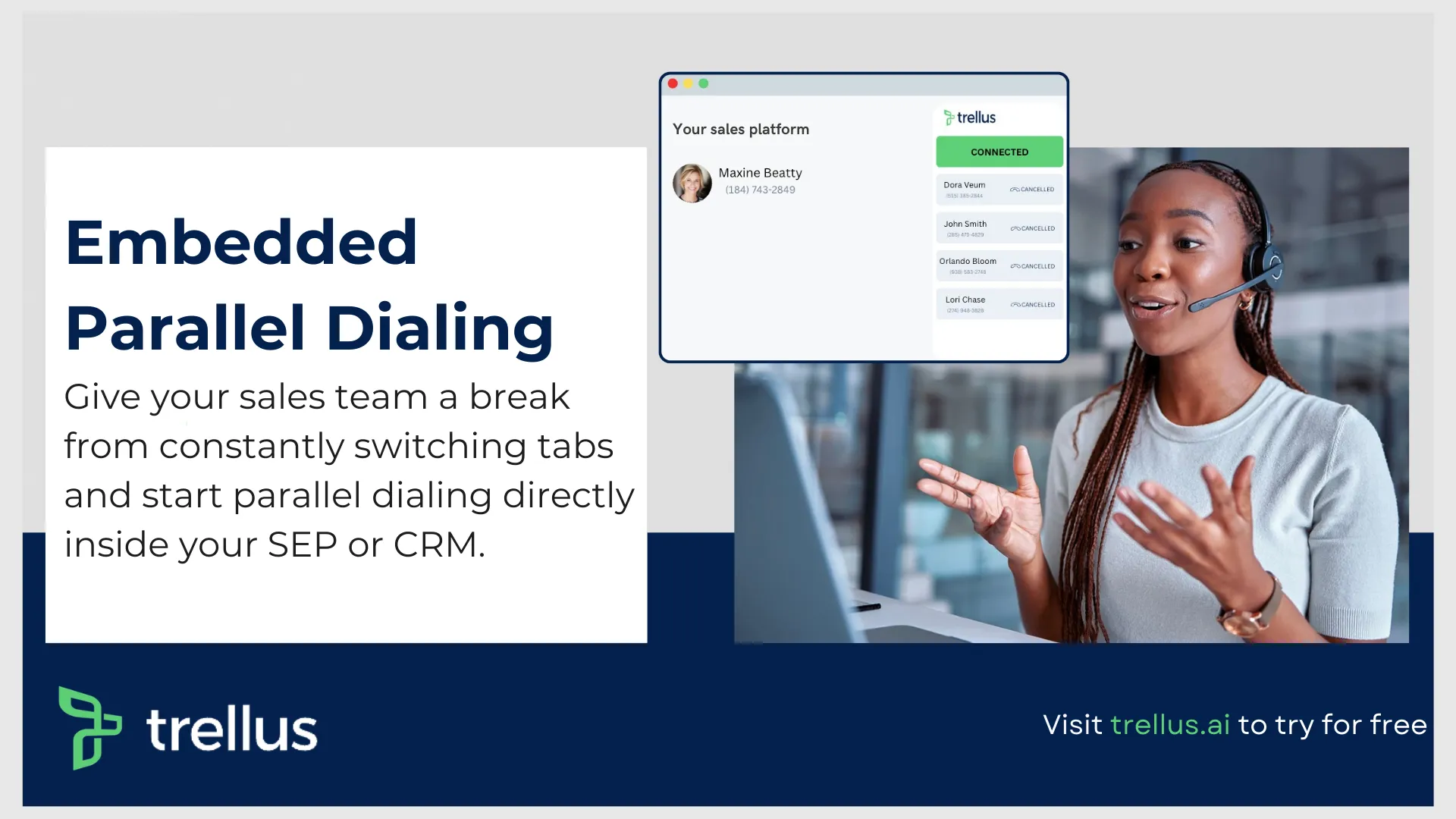
Trellus.ai focuses heavily on real time AI call coaching. It acts like a copilot during live cold calls, offering suggestions and prompts while the rep is still on the line.
That real time aspect is important. Most coaching tools analyze calls after the fact. Trellus.ai provides feedback during the conversation, which helps reps adjust immediately.
Another major benefit is automated note taking and CRM updates. Sales reps often spend late evenings logging calls and summarizing conversations. Automating that work improves productivity and reduces burnout.
This tool is ideal for outbound heavy teams that live on the phone. If cold calling is a central motion in your organization, having AI guidance during live calls can dramatically shorten ramp time for new reps.
3. Salesloft
Salesloft
Rating: 4.5 out of 5 on G2
Pricing: Custom, typically enterprise level
Salesloft is one of the most recognized sales engagement platforms in the market. It manages multi channel cadences across email, phone, and social platforms.
The Cadence feature allows teams to create structured outreach sequences. That structure ensures consistency. Instead of every rep inventing their own follow up schedule, the organization operates from proven frameworks.
Salesloft also includes conversation intelligence and forecasting features. Leaders gain visibility into pipeline health and rep performance. The Rhythm feature adds AI guidance to prioritize the next best action.
This platform is strong for mid sized to enterprise revenue teams that need scalability and operational visibility. It may feel heavy for very small teams, but for organizations focused on revenue orchestration, it delivers depth.
4. Outreach
Outreach
Rating: 4.3 out of 5 on G2
Pricing: Custom
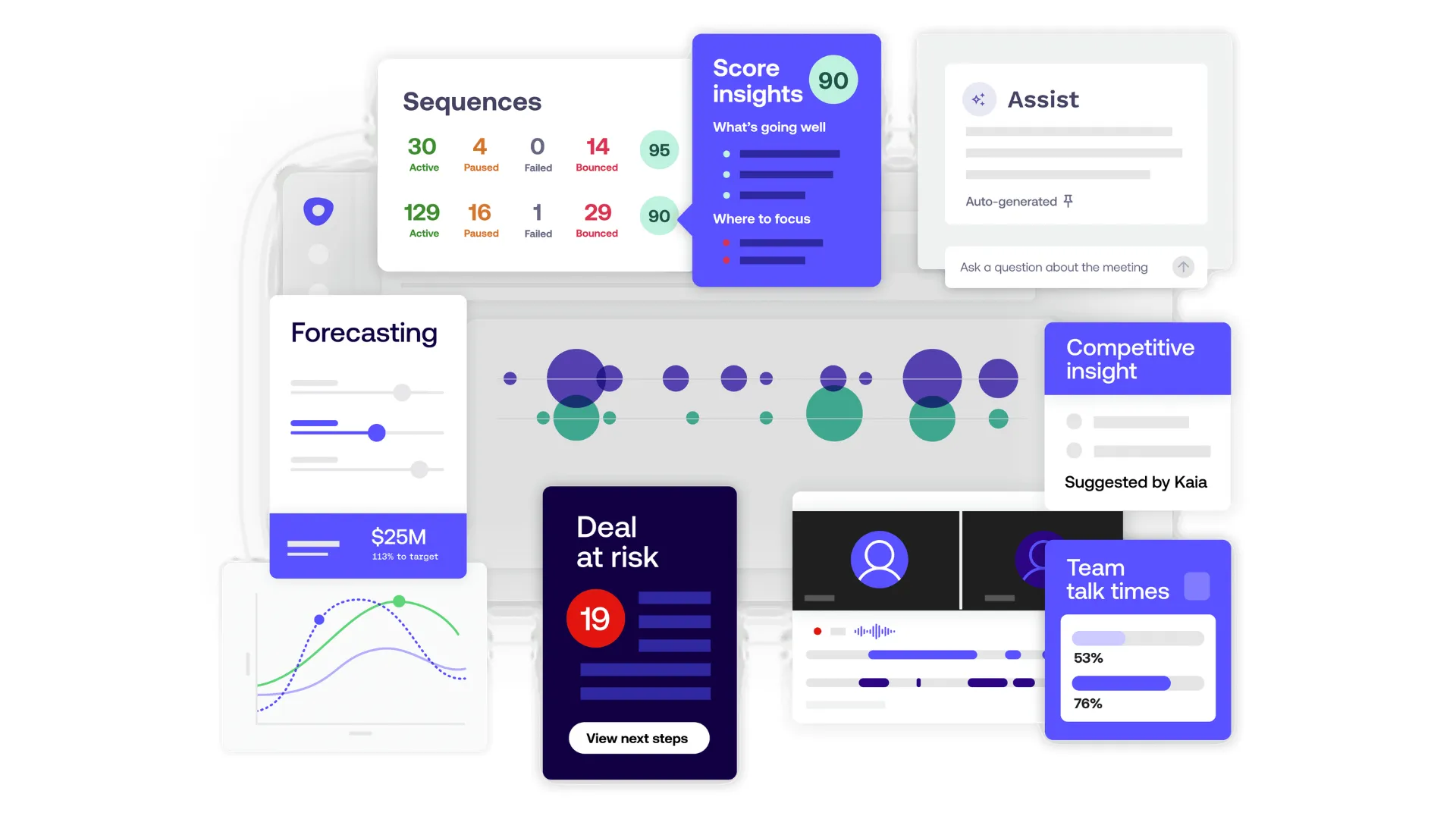
Outreach competes closely with Salesloft in the engagement category. It offers automation for sequences, call tracking, and AI powered guidance through Kaia.
One of Outreach’s strongest capabilities is automation at scale. Teams running high volume outbound campaigns can orchestrate outreach across channels without losing personalization.
Outreach also provides robust integrations, connecting seamlessly with major CRMs and marketing tools. That flexibility makes it attractive for complex tech stacks.
It is particularly well suited for scaling teams that need automation without sacrificing analytics depth. The pricing can feel steep for startups, but larger organizations appreciate the operational control it provides.
5. Gong
Gong
Rating: 4.7 out of 5 on G2
Pricing: 120 to 250 dollars per user per month plus platform and implementation fees
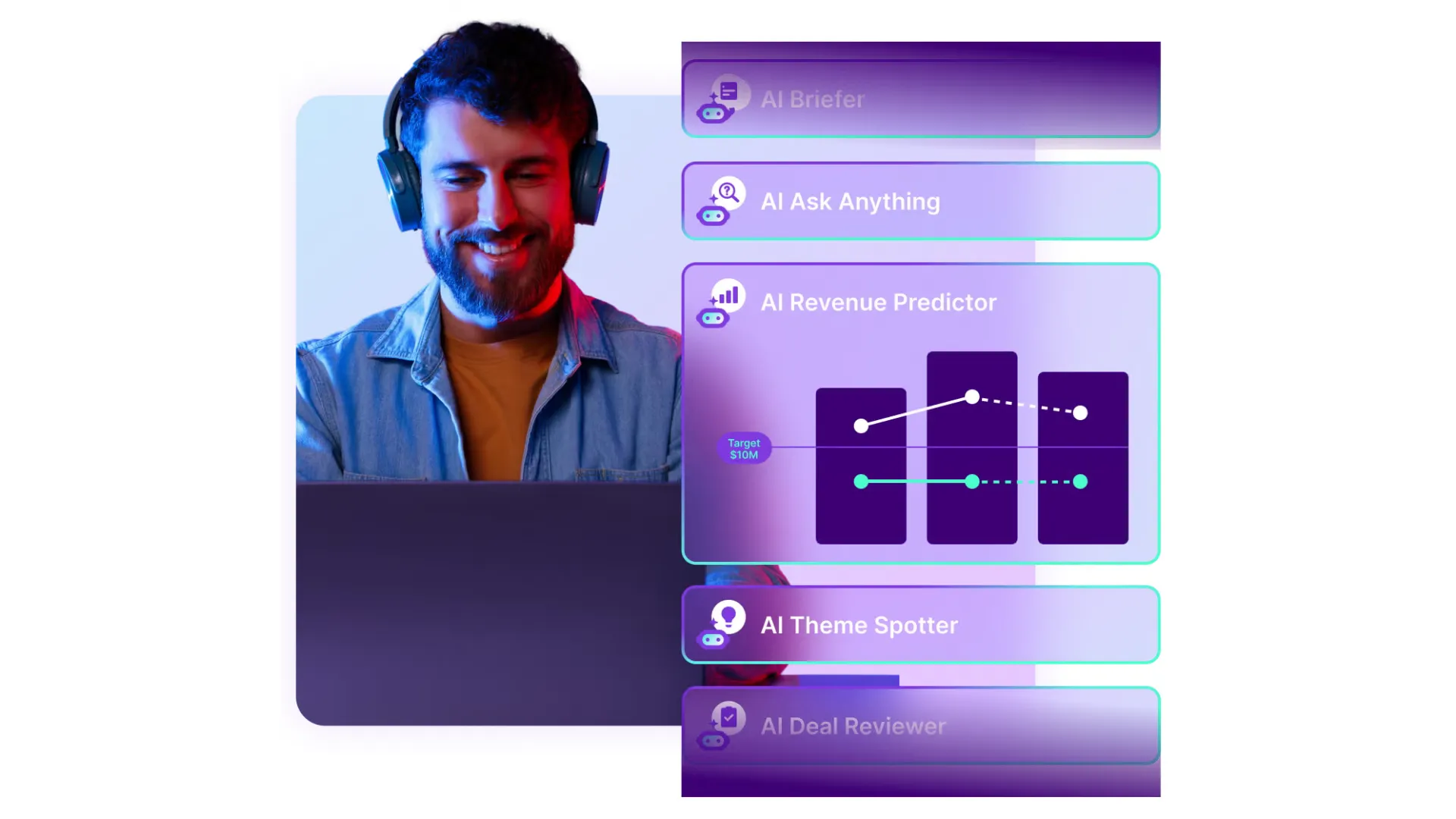
Gong sits in the conversation intelligence category and has become almost synonymous with revenue analytics. It records and analyzes calls, emails, and meetings to surface patterns across deals.
Its real power lies in insight generation. Gong identifies risk signals in deals, highlights competitor mentions, tracks stakeholder engagement, and flags next steps.
For managers, this creates data driven coaching. Instead of vague advice, leaders can point to specific moments in calls that influence outcomes.
The cost can be significant, especially when adding platform and implementation fees. However, for organizations with large sales teams and complex deals, the clarity it provides around pipeline health can justify the investment.
6. HubSpot Sales Hub
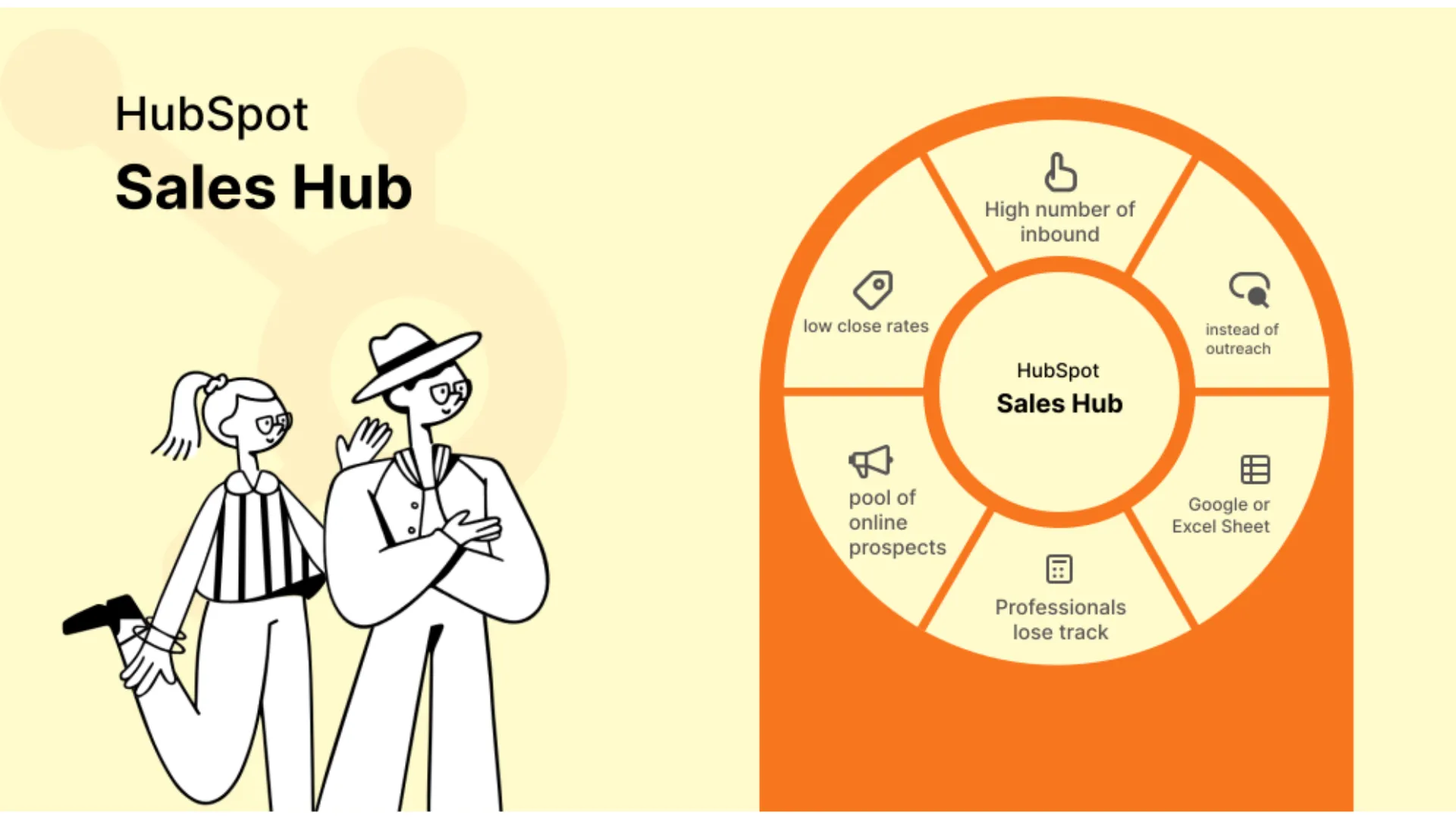
HubSpot
Rating: 4.4 out of 5 on G2
Starts at: 9 euros per user per month
HubSpot Sales Hub blends CRM functionality with sales automation tools. It is known for ease of use and a clean interface.
Smaller teams often appreciate the free plan and affordable entry level pricing. The platform includes email tracking, meeting scheduling, automation sequences, and reporting dashboards.
For companies already using HubSpot for marketing or customer service, the tight integration is a major advantage. Data flows across departments without heavy configuration.
While some advanced features require higher tier plans, it remains one of the most accessible CRMs for growing businesses.
7. Vidyard
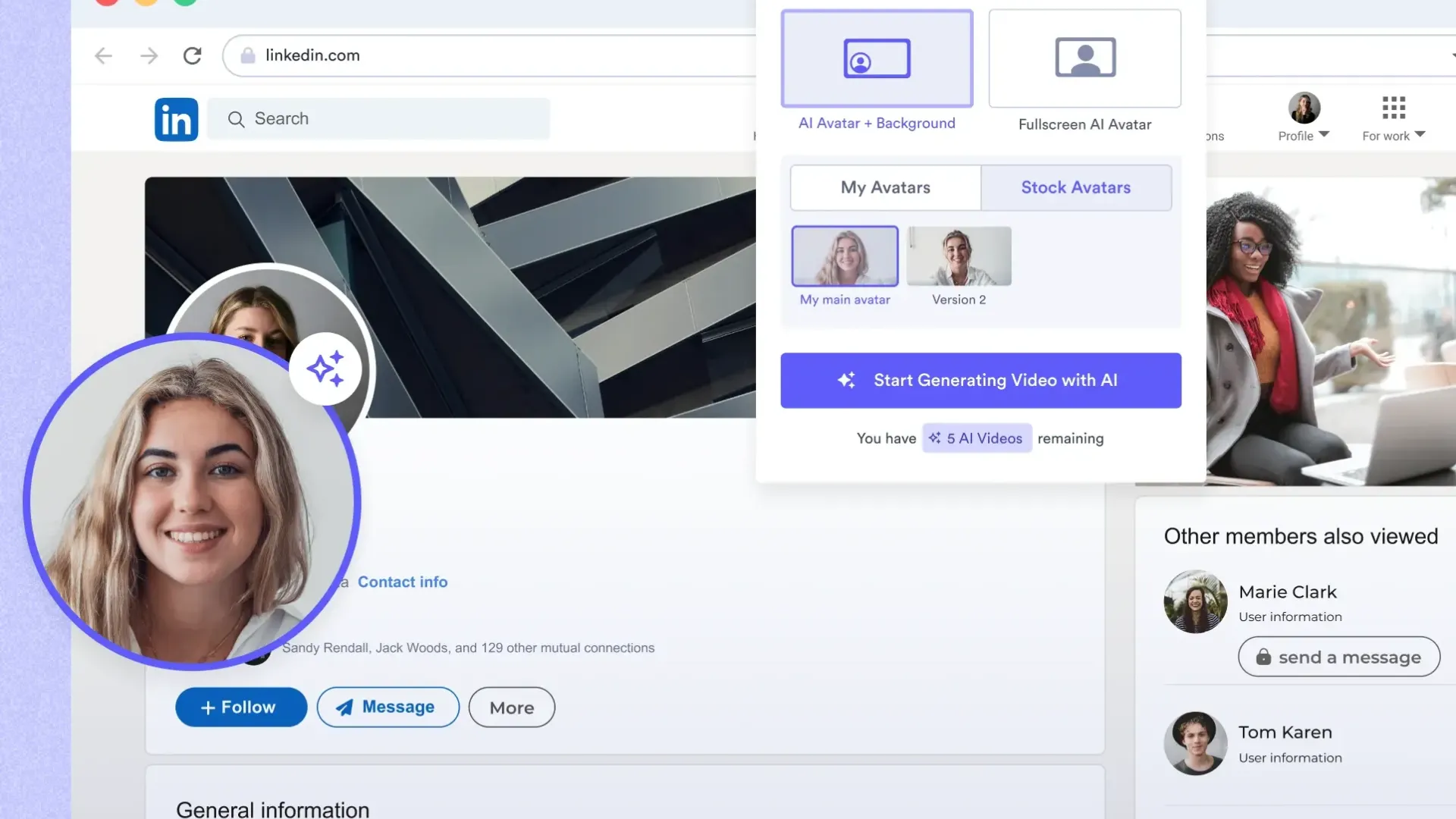
Vidyard
Rating: 4.5 out of 5 on G2
Starts at: 59 dollars per user per month
Vidyard specializes in personalized sales video. Reps can record their screen, webcam, or both, then share videos through branded landing pages.
The real differentiator is analytics. Sales teams can see who watched a video and how much they consumed. That information allows precise follow up timing.
Video increases engagement in crowded inboxes. Prospects often respond more quickly to a short personal message than to another block of templated text.
Vidyard is especially useful for account based sales motions and high value deals where personalization matters.
8. Allego
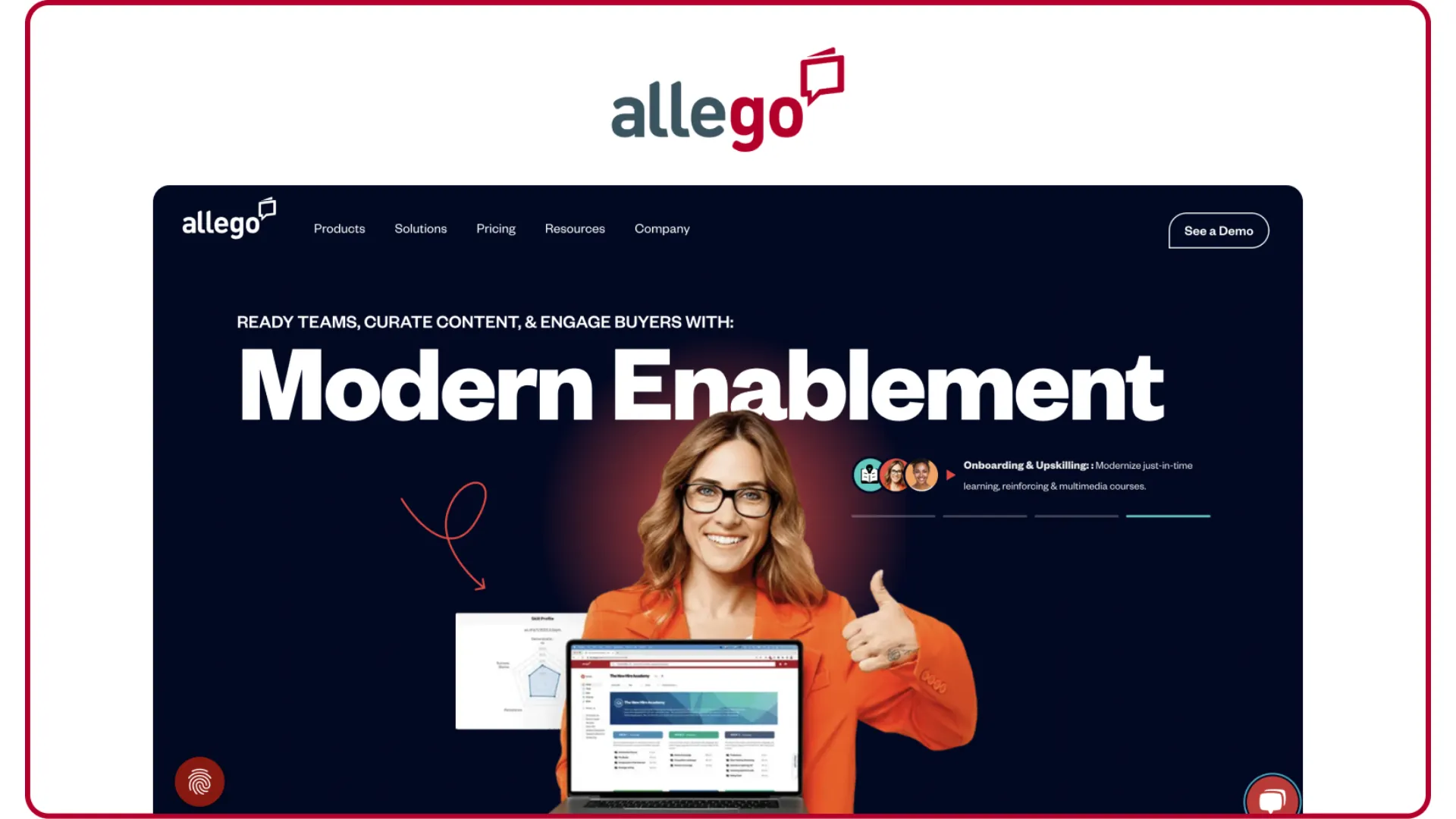
Allego
Rating: 4.6 out of 5 on G2
Pricing: Custom
Allego combines content management, learning, and coaching into one unified platform. It emphasizes modern learning experiences, often mobile first.
Sales teams can access training modules, share best practice videos, and collaborate in digital sales rooms. That blend of enablement and collaboration makes Allego attractive for distributed teams.
The AI layer provides personalized recommendations for reps based on their activity and performance. That supports continuous development rather than one time onboarding.
It is well suited for organizations that prioritize structured training alongside content management.
9. Highspot
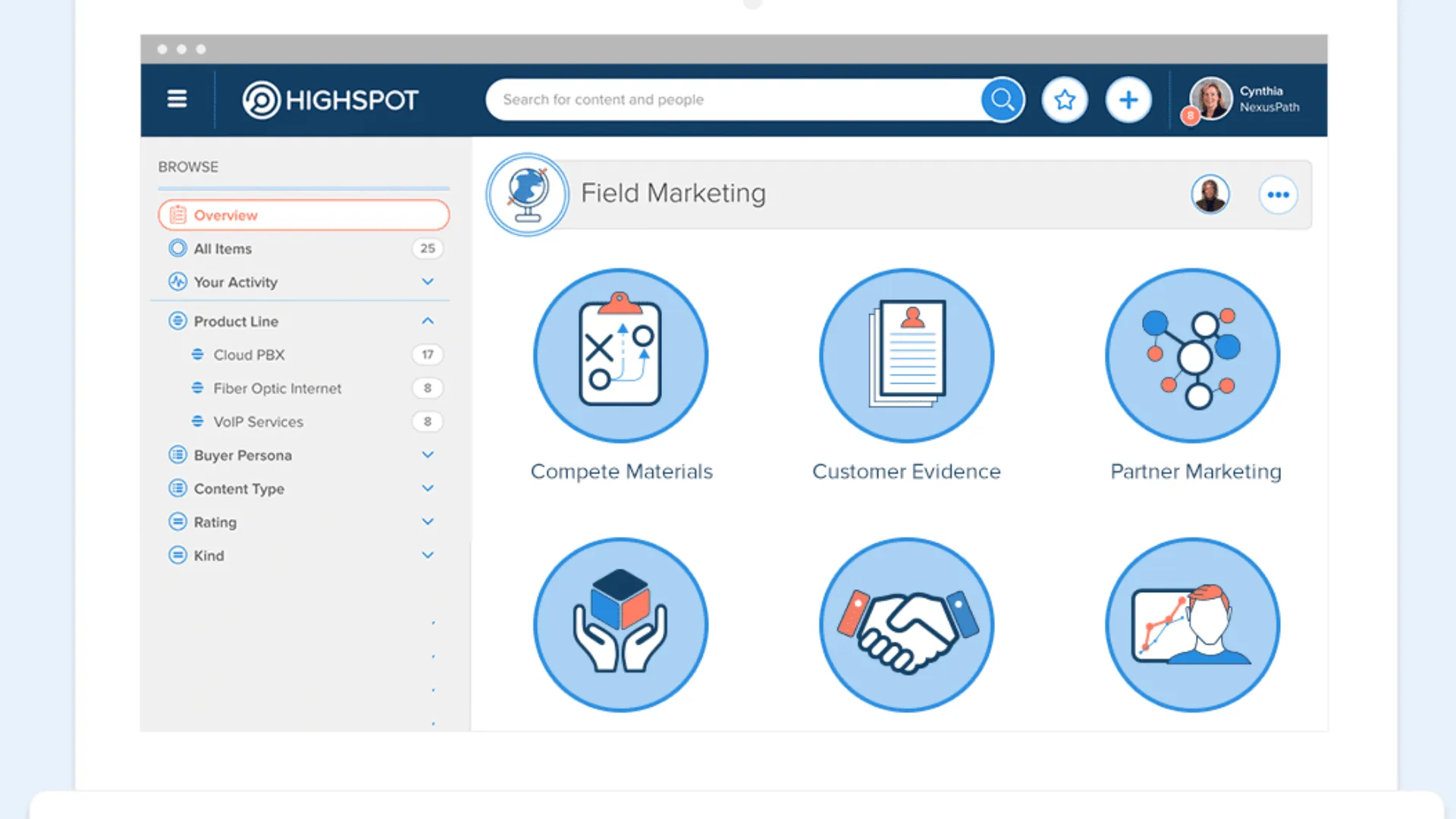
Highspot
Rating: 4.7 out of 5 on G2
Pricing: Custom
Highspot bridges strategy and execution. It centralizes sales content while also guiding reps through structured sales plays.
The platform’s search and recommendation engine is powerful. Reps quickly find the right asset based on deal stage or buyer persona. That reduces friction and speeds up conversations.
Highspot also includes training and coaching modules, making it more than a simple content library. Sales leaders gain visibility into how content influences revenue outcomes.
It is often chosen by mid market and enterprise organizations looking for a comprehensive enablement ecosystem.
10. Pipedrive
Pipedrive
Rating: 4.2 out of 5 on G2
Starts at: 14 euros per user per month
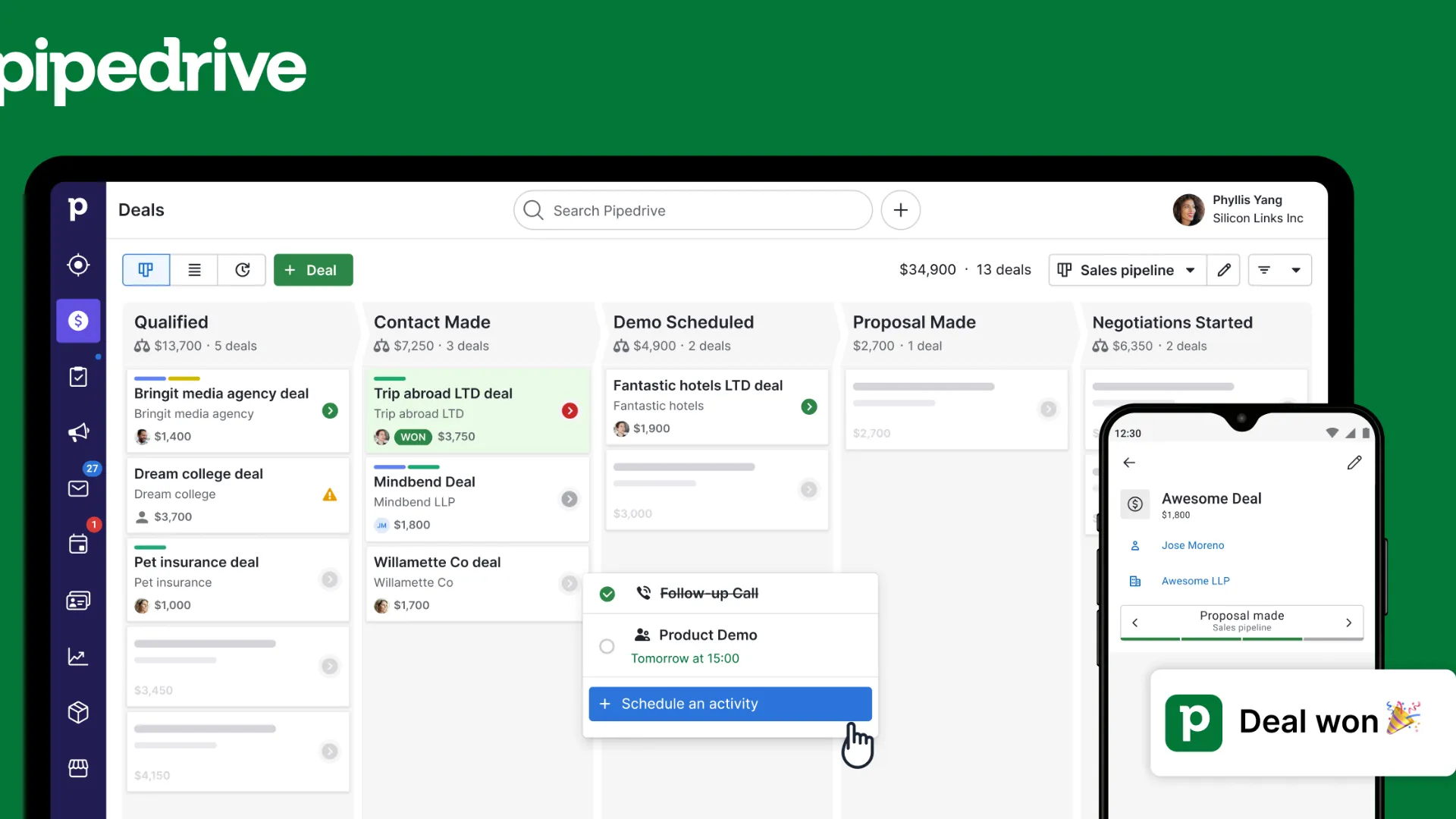
Pipedrive is a sales focused CRM known for simplicity and visual pipeline management. It helps teams clearly see deal stages and movement.
The visual pipeline is intuitive. Reps drag and drop deals across stages, making progress visible at a glance.
Automation features reduce manual tasks, and reporting dashboards provide insight into performance trends. It does not offer the deep intelligence layers of Gong or advanced enablement features of Highspot, but it excels at clarity and usability.
For small to medium sized teams beginning their CRM journey, Pipedrive offers an affordable and straightforward solution.
What to Consider When Purchasing Digital Sales Enablement Tools
Choosing a sales enablement platform is not just a software decision. It is an operational commitment. Once a system becomes embedded into daily workflows, switching can be expensive and disruptive. That is why evaluation requires more than comparing feature lists.
A thoughtful selection process looks at strategy alignment, team structure, integration depth, adoption potential, and long term cost impact. The strongest tools are not always the ones with the most features. They are the ones that align cleanly with how your revenue team actually operates.
Below are the core areas that deserve careful attention before making a purchase.
Clarity on Your Sales Motion
Every sales team sells differently. Some rely heavily on outbound cold calling. Others focus on inbound marketing and demo driven sales. Enterprise organizations may manage complex multi stakeholder deals over six to nine months. Smaller teams might close transactions within weeks.
Before evaluating any tool, leadership should define:
• How leads are generated
• Average deal size and cycle length
• Primary communication channels
• Level of personalization required
• Current bottlenecks slowing deals down
For example, if your biggest challenge is low connect rates and poor prospect data, a sales intelligence platform like Cognism might be the priority.
If coaching, call quality, conversation intelligence, and embedded parallel dialing are a priority on your list, then Trellus.ai may deliver a stronger impact.
The point is alignment. A tool must directly solve your highest friction point. Anything else becomes expensive noise.


Power and parallel dialing in your CRM.