Our Top Picks


Your team sits across three time zones.
Half of them probably still work from home.
A few are in the office. A couple are traveling. And everyone needs the same visibility into pipeline, targets, product updates, and customer conversations.
That’s the reality of sales in 2026.
A strong sales team collaboration tool is no longer a “nice extra.” It is infrastructure. It directly impacts revenue, deal velocity, onboarding speed, and morale. The wrong stack creates friction. The right team collaboration software creates alignment, speed, and clarity.
This breakdown walks through the top platforms, how they fit into modern sales organizations, and how to choose a collaboration platform that supports growth instead of slowing it down.
What Are Sales Team Collaboration Tools (And Why They Matter in 2026)
.webp)
A sales collaboration tool brings communication, deal tracking, content sharing, and coordination into one connected environment. Instead of reps jumping between five disconnected systems, collaboration happens in context.
In practical terms, these tools support:
- Messaging and updates
- Shared documents and content
- Pipeline visibility
- Meeting coordination
- Reporting and dashboards
In 2026, remote and hybrid setups are standard. Sales reps expect mobile access, async updates, and instant visibility. Leaders expect forecasting accuracy, activity tracking, and measurable productivity. A fragmented tool stack creates context switching. That costs time and revenue.
The modern sales team software must reduce noise, centralize information, and connect directly with CRM data, marketing insights, and customer engagement tools.
How We Evaluated These Sales Collaboration Tools
This comparison focuses on real operational needs inside growing revenue teams. Not just feature checklists.
We looked at how each team collaboration software performs across common sales scenarios:
- Cross functional product launches
- Regional pipeline reviews
- Onboarding new SDRs and AEs for much greater ramp time reduction
- Managing enterprise deals with multiple stakeholders
- Supporting remote reps
- Connecting to sales automation workflows
- Syncing with engagement platforms
Evaluation Criteria
Each tool was assessed across the following dimensions:
Usability and onboarding speed
Can a new rep start contributing in days, not weeks? Clean interfaces and intuitive navigation matter more than flashy features.
Integration ecosystem
Deep connectivity with CRM systems, email, calendar, marketing systems, and sales automation platforms.
Security and compliance
Enterprise level SSO, permission controls, audit trails, and role based visibility.
Remote collaboration capabilities
Mobile access, async updates, notifications, and cross time zone coordination.
Analytics and reporting
Pipeline tracking, engagement insights, forecasting tools, and performance dashboards.
Scalability
Can the system support growth from 200 to 2,000 employees without becoming chaotic?
Best Sales Team Collaboration Tools for 2026
There is no universal “best.” Different platforms serve different layers of the sales operation.
We start with the most comprehensive solution for modern distributed teams.
1. Trellus.ai: AIO Sales Collaboration & Enablement Tool
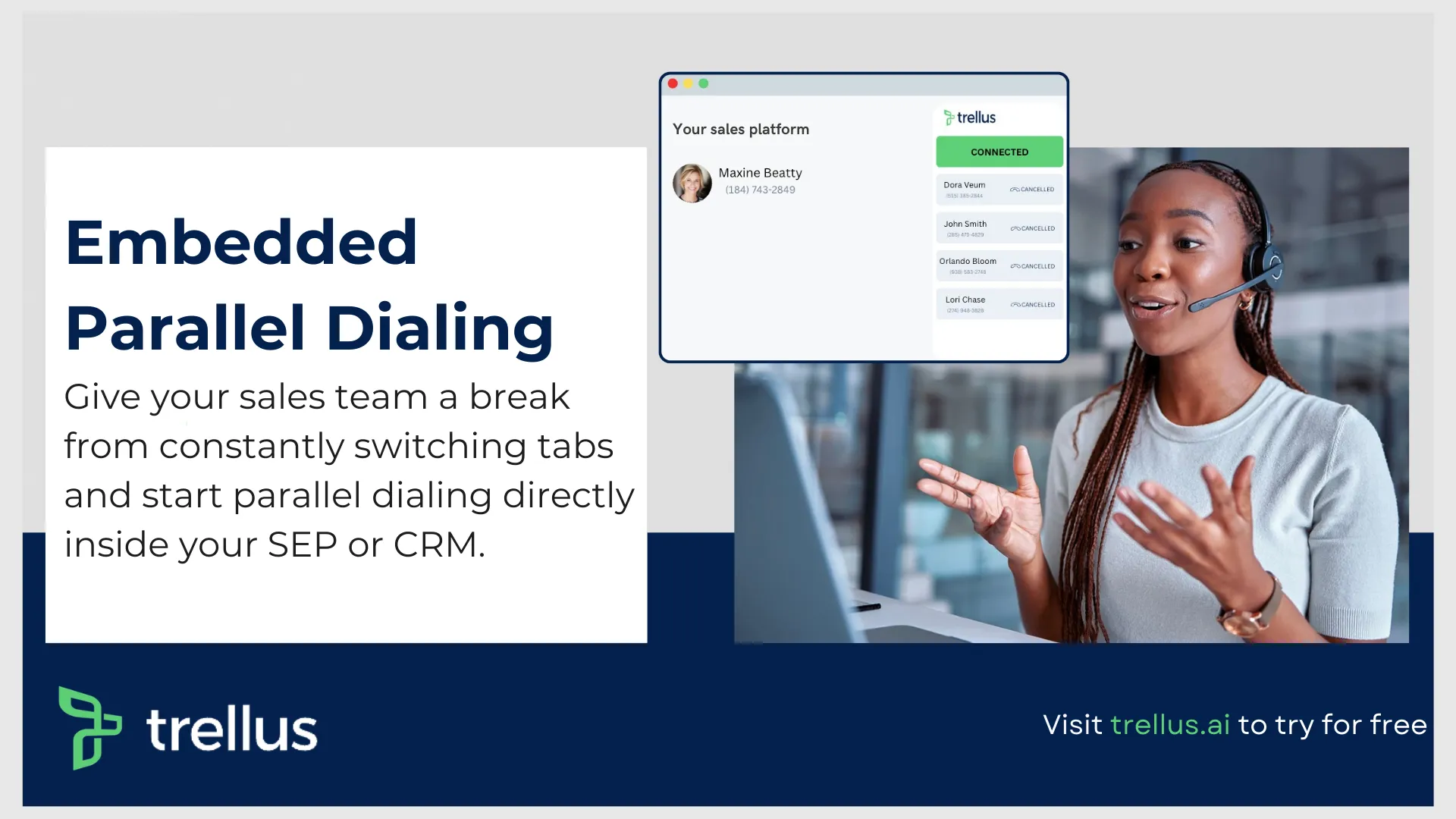
When sales leaders talk about needing better alignment, clearer visibility, and smoother execution across remote teams, this is often the platform they point to.
Trellus is built as a centralized collaboration environment designed specifically for revenue teams. It connects communication, coordination, and performance tracking inside a single ecosystem instead of forcing reps to bounce between tools.
It is not just a CRM add on. It acts as a revenue operations layer that keeps everyone aligned in real time.
Best For
Mid sized to enterprise sales organizations that need stronger outbound sales team coordination, better visibility across departments, and tighter alignment between leadership and frontline reps.
Team Coordination
Sales teams move fast. Opportunities shift. Priorities change daily. Without strong coordination, deals stall.
This platform centralizes:
- Shared deal spaces for collaborative account management
- Activity visibility across SDRs, AEs, and managers
- Cross functional tagging with marketing and customer success
Reps no longer ask, “Who owns this next step?” or “Where are we on this account?” Coordination happens inside the system.
Knowledge Sharing
Sales enablement only works if reps can find what they need instantly.
Trellus includes structured knowledge hubs that allow:
- Playbooks linked to pipeline stages
- Objection handling cues in real time calls
- Ai practice calls via on demand coaching
This reduces the endless “Where is that deck?” messages and strengthens onboarding speed.
Real Time Collaboration
Enterprise deals require multiple contributors. Managers want visibility without micromanaging.
The platform supports real-time collaboration across:
- Shared deal updates
- Live forecasting adjustments
- Sales manager feedback loops
- Activity tracking
- Performance dashboards
This is where real-time collaboration actually drives measurable pipeline movement rather than just chat activity.
Sales Alignment
Alignment between marketing, sales, and customer success is where revenue growth accelerates.
This platform bridges:
- Call campaign KPIs and insights
- Account engagement signals from engagement platforms
- Post sale handoff tracking
It supports tight integration with CRM systems and broader sales automation ecosystems.
Team Engagement
Engagement is often overlooked in collaboration discussions.
Reps stay engaged when they have:
- Transparent performance metrics
- Custom KPIs and Metrics for salesreps
- Leader visibility
- Clear communication
- Structured coaching
The system includes recognition features and manager feedback loops that support rep morale and accountability.
Key Features Summary
- Revenue focused collaboration environment
- CRM connectivity
- Built in performance dashboards
- Contextual communication threads
- Remote ready architecture
Pricing
See full detail of our pricing plans here.
2. Salesforce Sales Cloud
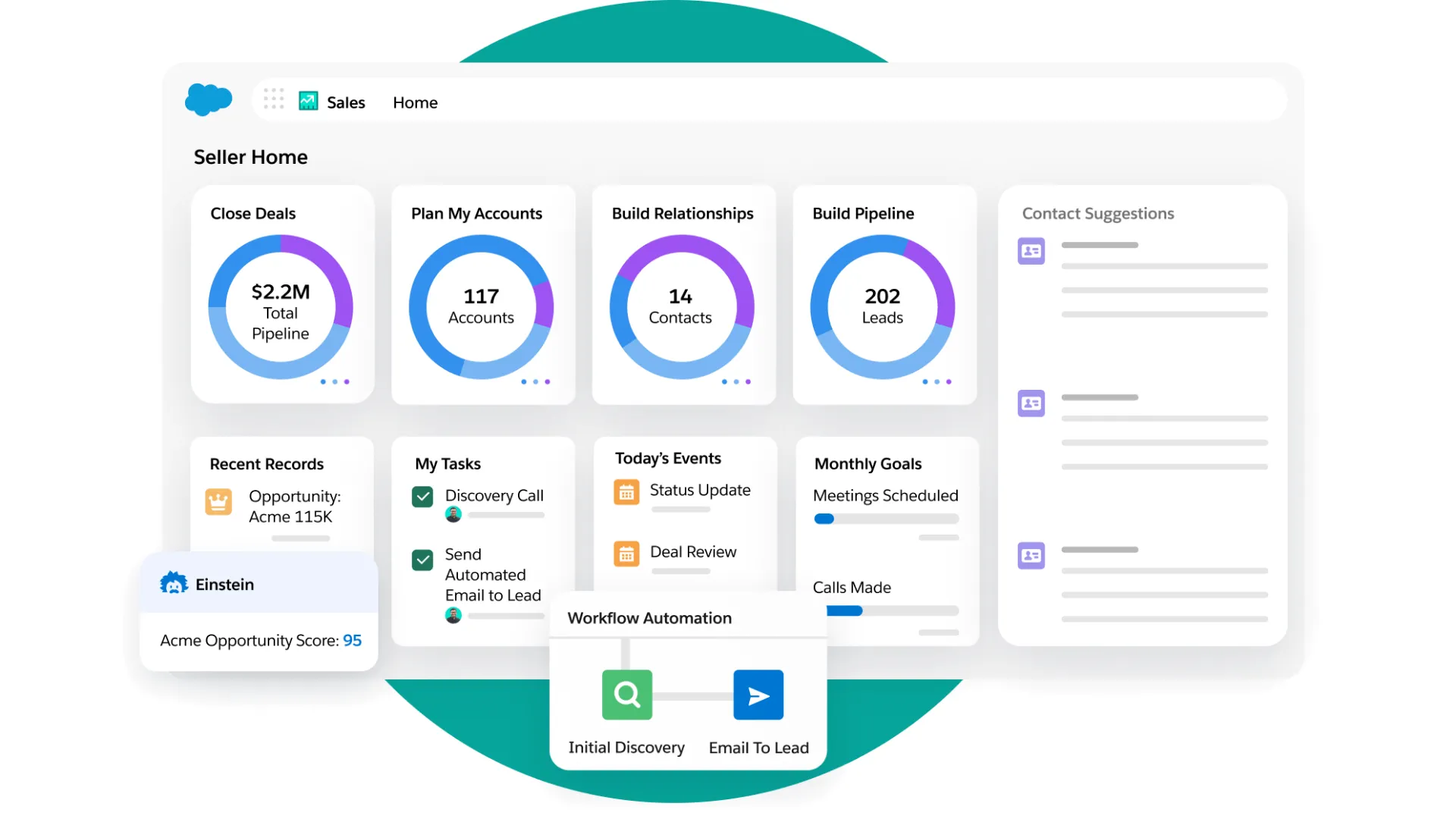
When sales organizations grow in complexity, basic tools start to crack. Multiple regions. Multiple product lines. Enterprise deals with layered approval processes. That is where Salesforce Sales Cloud becomes relevant.
This is not lightweight sales team software. It is an enterprise grade revenue engine designed to handle scale, customization, and deep reporting.
Best For
Mid to large enterprises that require a highly configurable sales team collaboration tool capable of supporting layered workflows, multiple business units, and global operations.
Team Coordination
In large organizations, coordination breaks down when visibility is fragmented. Salesforce solves this with a structured data backbone.
Reps, managers, and executives can:
- View unified account histories
- Track multi stakeholder relationships
- Assign deal ownership across regions
- Route leads based on complex criteria
- Monitor activity across territories
Because everything is centralized in the CRM, collaboration occurs around structured data instead of scattered spreadsheets.
Collaboration Platform Capabilities
While Salesforce is primarily a CRM, it functions as a broader collaboration platform when configured properly.
Through built in tools and integrations, teams can:
- Comment directly on opportunities
- Share account insights
- Attach documents within records
- Use dashboards for shared performance reviews
- Connect internal chatter threads to deal records
When paired with engagement platforms and sales automation tools, the system becomes a command center for revenue operations.
Sales Alignment
Alignment is where Salesforce truly shines.
Marketing data, pipeline stages, and forecasting sit inside one system. Einstein AI adds predictive insights, next best action recommendations, and automated data entry.
This reduces manual reporting and improves forecasting accuracy. Leaders can identify pipeline gaps early and reallocate resources.
The AppExchange ecosystem extends this alignment further, connecting:
- Marketing automation
- Contract management
- Customer success platforms
- Billing systems
- Communication tools
For complex organizations, that ecosystem matters.
Real Time Collaboration
Large teams require instant visibility into deal progress.
Dashboards update in real time. Forecasts adjust dynamically. Managers can monitor rep activity without interrupting workflow.
This creates real-time collaboration around performance metrics instead of endless status meetings.
Team Productivity
Productivity improves when systems reduce manual effort.
Key strengths include:
- Advanced lead management workflows
- Customizable opportunity stages
- Automated routing
- Activity tracking
- Robust reporting dashboards
Salesforce removes guesswork. Reps focus on selling instead of administrative chaos.
Remote Collaboration
Global sales teams benefit from:
- Cloud accessibility
- Mobile app functionality
- Secure remote login
- Enterprise grade permissions
Managers can run distributed teams with consistent process control.
Knowledge Sharing
While Salesforce is not primarily a content management platform, it integrates well with enablement systems. Sales playbooks, competitive battlecards, and proposal templates can be embedded directly into account records.
This ensures knowledge lives alongside deals.
Pricing
Plans start at approximately 25 dollars per user per month for basic tiers. Enterprise configurations scale significantly higher depending on customization and add ons.
For organizations that require maximum flexibility and scale, Salesforce Sales Cloud remains one of the most powerful sales collaboration tool options available.
3. HubSpot Sales Hub
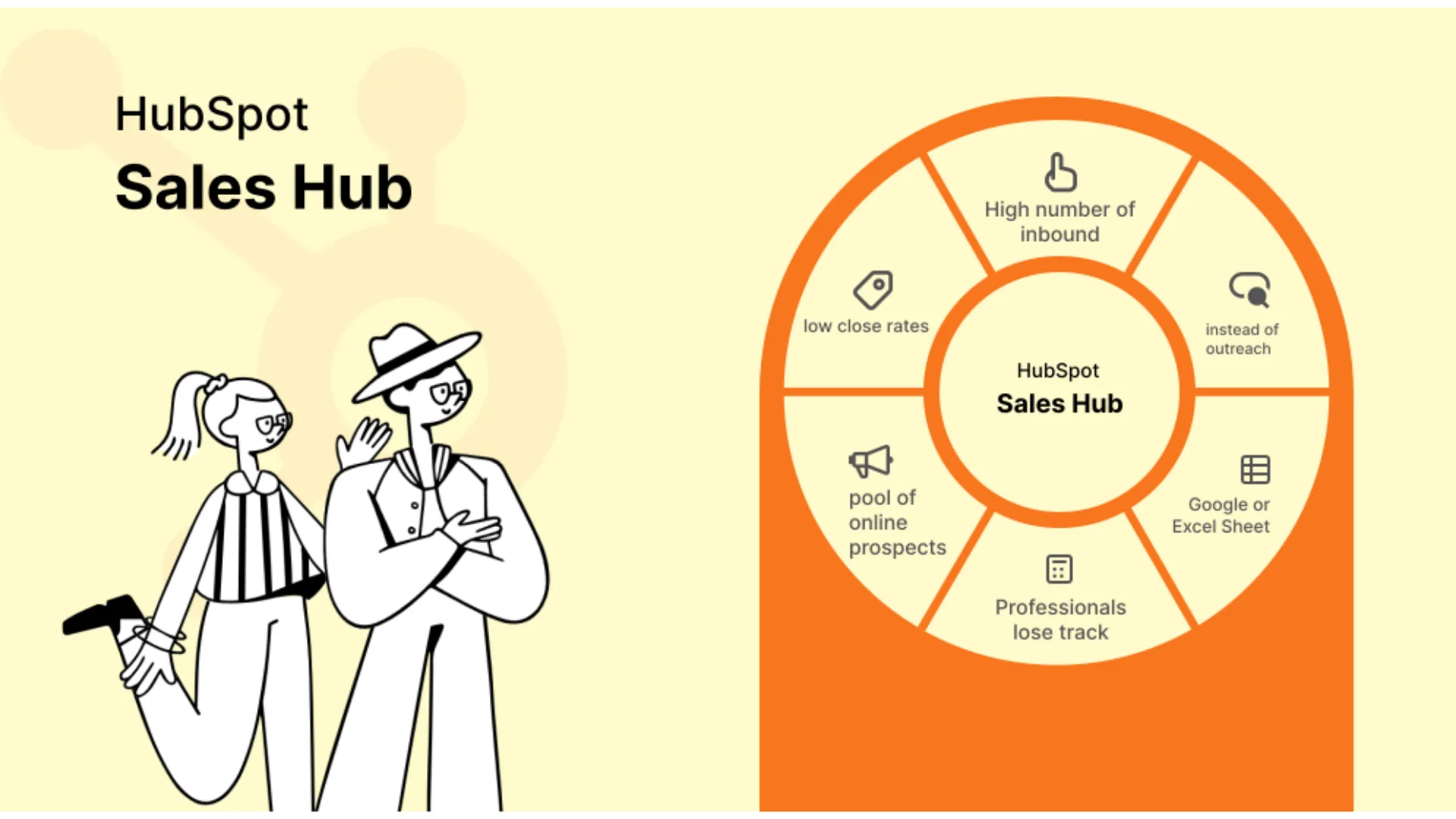
HubSpot Sales Hub takes a different approach. It emphasizes usability, quick implementation, and tight alignment between sales and marketing.
This makes it one of the most popular team collaboration software options for growing companies.
Best For
Small to mid sized sales teams that want strong CRM functionality without enterprise complexity.
Internal Communication
HubSpot centralizes deal activity, email tracking, meeting scheduling, and pipeline visibility inside one interface.
Sales and marketing teams share:
- Lead qualification data
- Campaign attribution insights
- Engagement metrics
- Contact histories
Instead of separate systems, everything flows through one connected ecosystem.
Team Productivity
HubSpot focuses heavily on reducing friction.
Key productivity features include:
- Visual deal pipelines
- Drag and drop stage movement
- Automated email sequences
- Integrated meeting scheduling
- Real time reporting dashboards
The interface is intuitive, which shortens onboarding time for new reps.
Sales Alignment
Alignment between marketing and sales is built into the platform architecture.
Because both teams operate inside the same ecosystem, attribution and revenue tracking become clearer. Marketing understands what converts. Sales understands lead quality.
This strengthens the overall sales team collaboration tool experience.
Real Time Collaboration
Reps can:
- Log calls and emails automatically
- Track prospect engagement
- Share deal notes
- Comment inside records
Managers can view activity instantly and provide feedback without disrupting workflow.
Knowledge Sharing
HubSpot supports playbooks directly inside the CRM. Objection handling guides, discovery scripts, and qualification checklists can be attached to deal stages.
This improves onboarding speed and consistency across teams.
Remote Collaboration
The mobile app allows reps to:
- Update deals on the go
- Log meetings
- Access contact data
- Track email engagement
For distributed teams, this flexibility matters.
Pricing
HubSpot offers a free CRM tier. Paid plans start around 15 dollars per user per month, scaling based on features.
For organizations that value ease of use and tight marketing integration, HubSpot remains a strong sales team software option.
4. Pipedrive
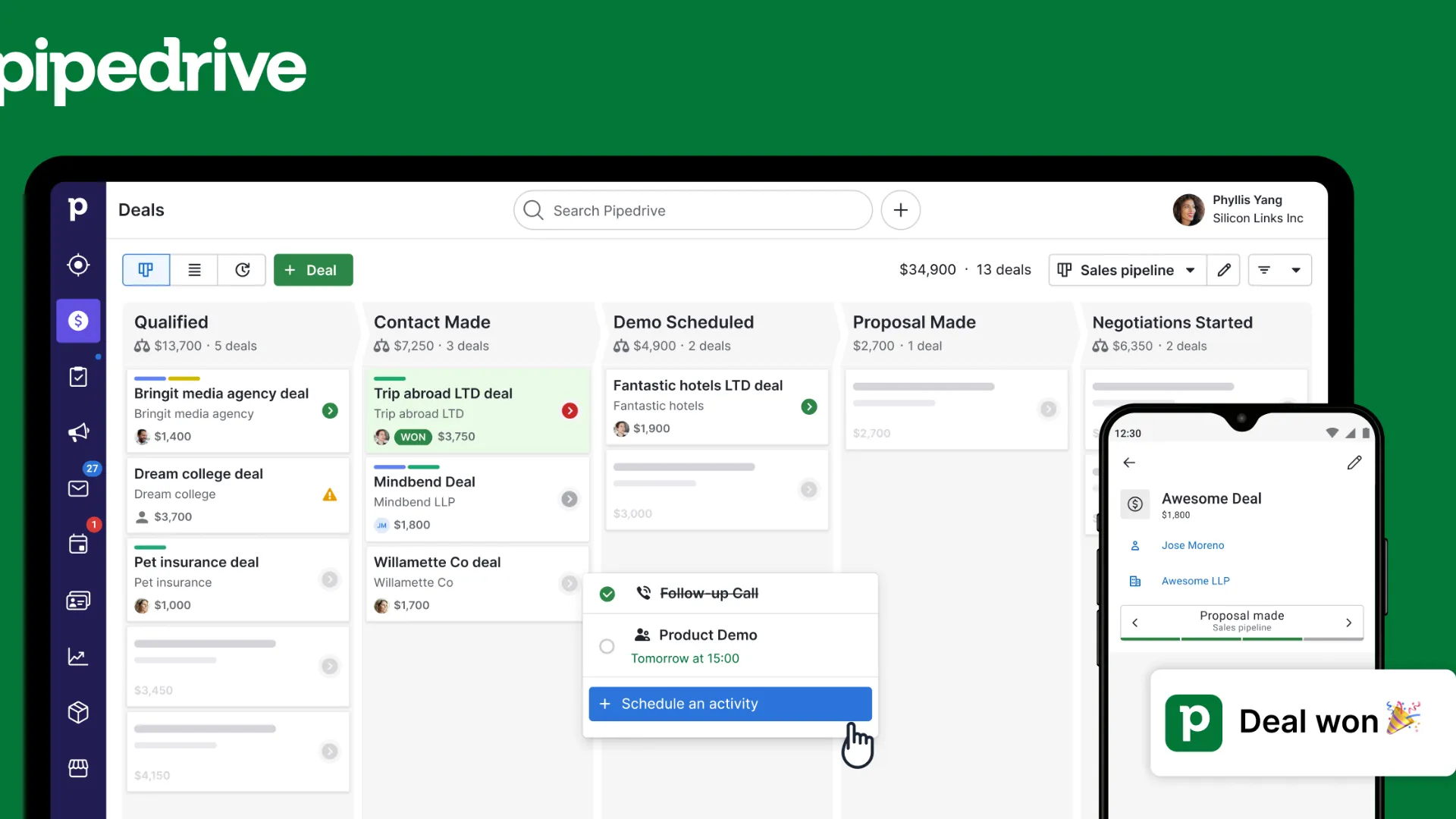
Pipedrive keeps things simple, and that simplicity is its advantage.
Not every organization needs enterprise layers of customization. Some sales teams just want a clear pipeline, clean activity tracking, and a visual system that keeps deals moving. Pipedrive delivers exactly that.
It is a focused sales team collaboration tool built around activity based selling. The philosophy is straightforward. If reps consistently complete the right activities, revenue follows.
Best For
Small to mid sized teams that want a visual, action oriented sales team software without unnecessary complexity.
Team Coordination
Coordination in Pipedrive revolves around visibility.
The Kanban style pipeline makes it easy to see:
- Which deals are active
- Which deals are stuck
- What stage each opportunity sits in
- What next action is required
Managers can quickly identify bottlenecks. Reps can see exactly what needs attention. That clarity improves team coordination without adding process overhead.
Team Productivity
The core strength of this team collaboration software lies in its activity tracking.
Key productivity features include:
- Drag and drop pipeline stages
- Activity reminders to prevent missed follow ups
- Email integration inside deal records
- Smart contact timelines
- Sales forecasting dashboards
Instead of juggling spreadsheets, reps operate inside one streamlined interface.
Internal Communication
Pipedrive is not a heavy communication platform, but it supports collaboration through:
- Shared notes inside deals
- Activity comments
- Visibility into team pipelines
- Shared calendars
For teams that already use a dedicated team communication tool like Slack or Microsoft Teams, Pipedrive fits cleanly into that ecosystem.
Sales Alignment
Because Pipedrive keeps deal data structured and visible, alignment improves naturally.
Sales leaders can review:
- Pipeline health
- Conversion rates
- Activity volume
- Forecast accuracy
Marketing integrations and CRM connections strengthen alignment further, especially when paired with sales automation and engagement platforms.
Remote Collaboration
The mobile app supports:
- On the go deal updates
- Call logging
- Contact access
- Activity tracking
Distributed teams can stay aligned without being tied to a desk.
Pricing
Plans start around 14 dollars per user per month, making it one of the more accessible sales collaboration tool options for growing teams.
5. Monday.com CRM
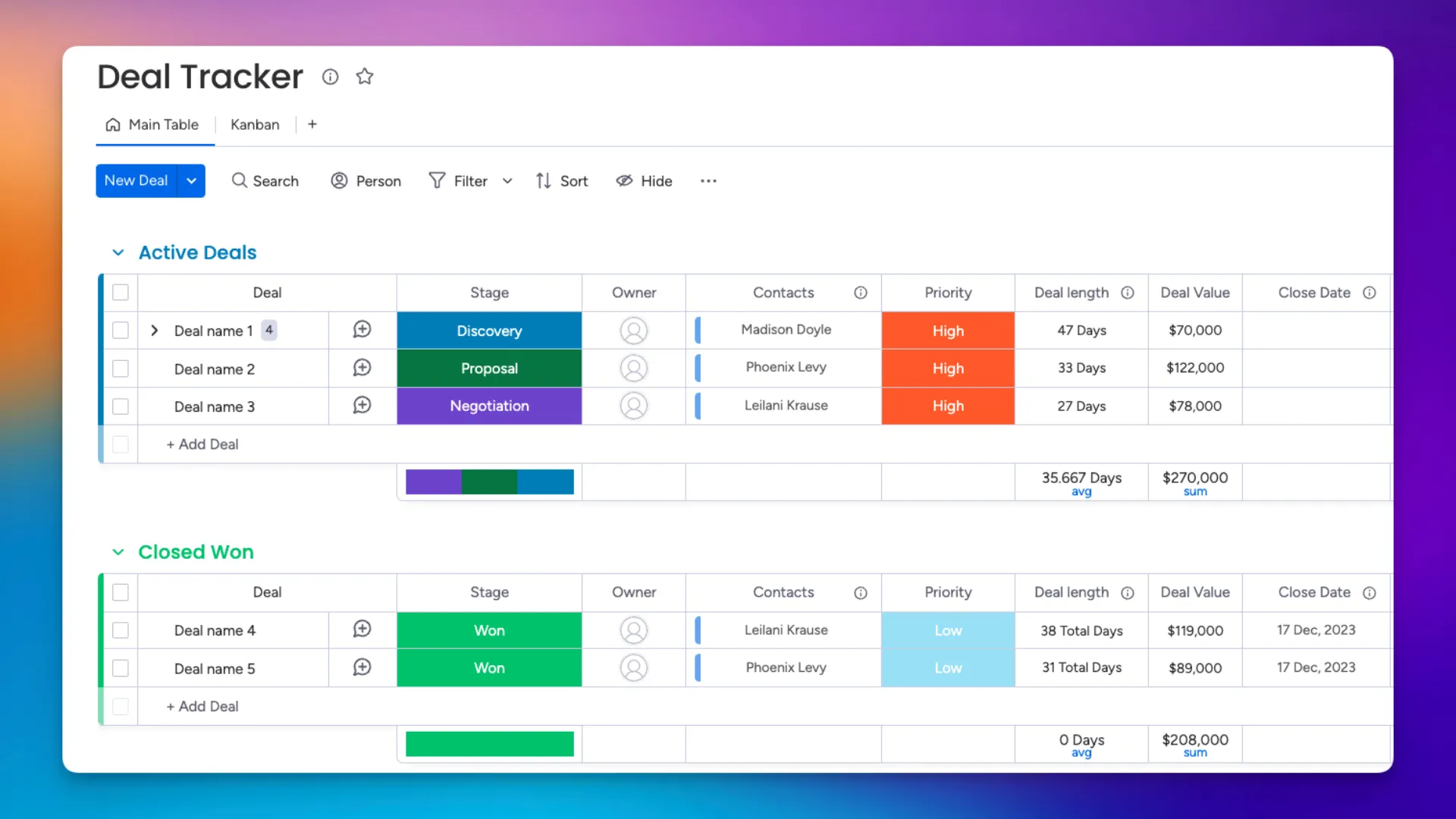
Monday.com CRM approaches sales from a flexible work management angle. Many teams already use Monday.com for project management. Extending that environment into sales creates operational continuity.
It functions as both a collaboration platform and pipeline management system.
Best For
Sales teams already operating inside Monday.com who want to connect sales workflows to broader company initiatives.
Project Management
Unlike traditional CRMs, Monday.com treats deals like structured work items.
Sales leaders can build:
- Custom pipeline boards
- Deal tracking dashboards
- Launch initiatives
- Territory plans
- Cross team revenue projects
This tight connection between project management and sales improves visibility across departments.
Real Time Collaboration
Boards update live. Team members can comment directly inside items. Automations trigger status changes and notifications.
This supports real-time collaboration between sales, marketing, and customer success.
Team Coordination
Customizable views allow teams to structure pipelines exactly how they want.
You can create:
- Stage based pipelines
- Revenue weighted forecasts
- Activity tracking boards
- Cross department visibility dashboards
Because it is flexible, organizations can tailor the sales team collaboration tool experience to match their workflow.
Internal Communication
Monday.com supports:
- Comment threads inside deal cards
- Team mentions
- File attachments
- Status updates
While not a full team communication tool replacement, it centralizes conversations around work items.
Team Productivity
Automations eliminate repetitive tasks such as:
- Follow up reminders
- Stage updates
- Assignment routing
- Notification triggers
That automation layer strengthens team productivity without complex configuration.
Remote Collaboration
Cloud based architecture and mobile apps allow distributed reps to update pipelines from anywhere.
For hybrid teams, this flexibility is essential.
Pricing
Plans start around 12 dollars per seat per month, scaling depending on automation limits and advanced features.
6. Highspot
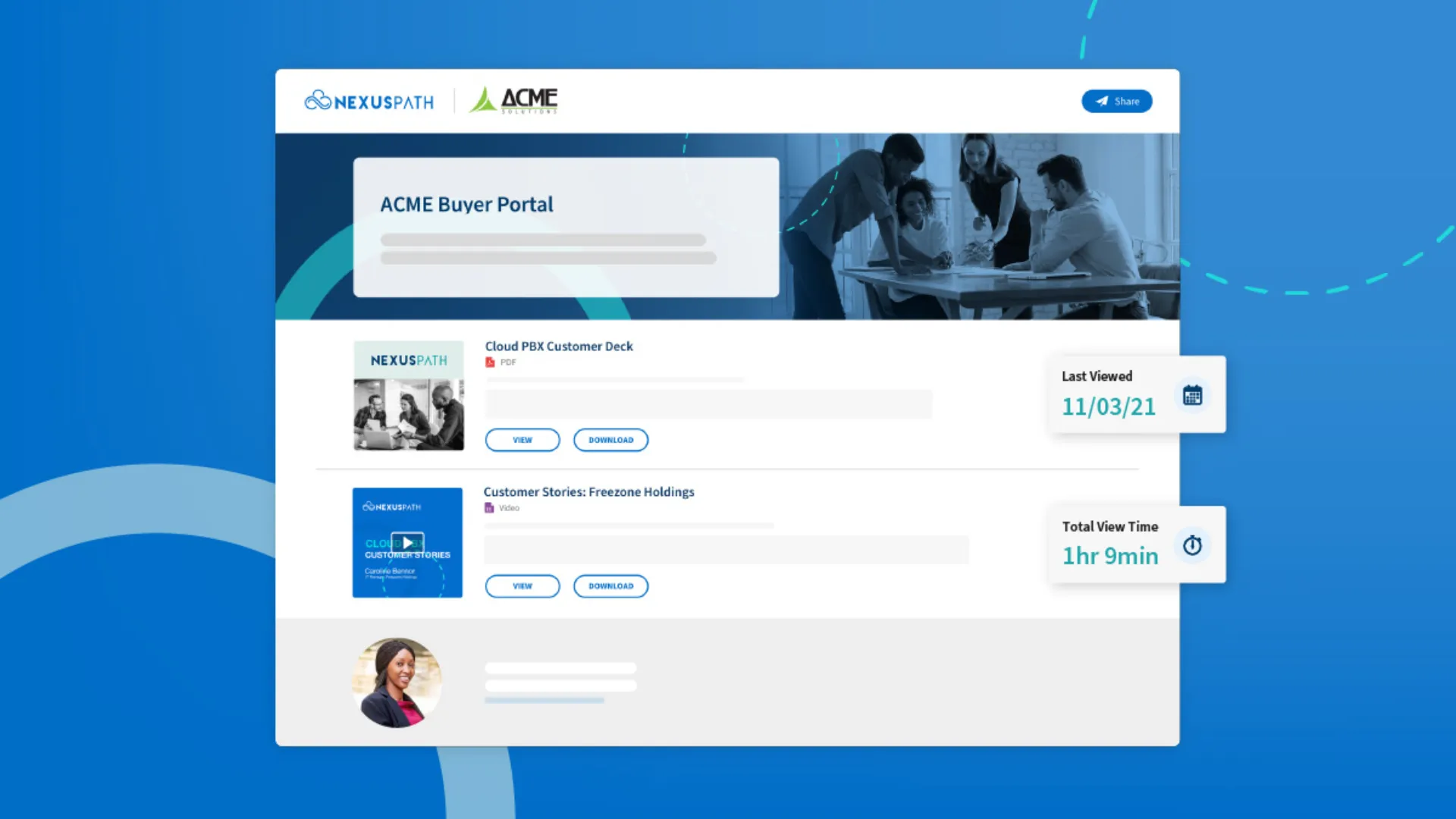
Highspot focuses less on pipeline tracking and more on enablement, coaching, and content management.
It is a powerful sales collaboration tool for organizations that want stronger knowledge sharing and performance analytics layered on top of their CRM.
Best For
Mid to large organizations focused on structured sales enablement and data driven coaching.
Knowledge Sharing
Highspot excels in content management.
Teams can manage:
- Sales playbooks
- Training materials
- Product collateral
- Case studies
- Competitive insights
Content is organized, searchable, and measurable. Leaders can see which materials drive engagement and which do not.
Sales Alignment
Marketing and sales operate inside a shared content environment. Engagement data flows back into CRM systems such as Salesforce and HubSpot.
This strengthens alignment between messaging and execution.
Team Engagement
Coaching and training modules allow managers to:
- Assign learning paths
- Track completion
- Analyze performance gaps
- Deliver structured feedback
The analytics layer turns enablement into a measurable process rather than a vague initiative.
Real Time Collaboration
While Highspot is not a traditional team communication tool, it integrates with Slack, Outlook, Zoom, and CRM systems to support collaborative workflows tied to content usage.
Pricing
Pricing is custom and typically positioned for larger teams.
7. DealHub
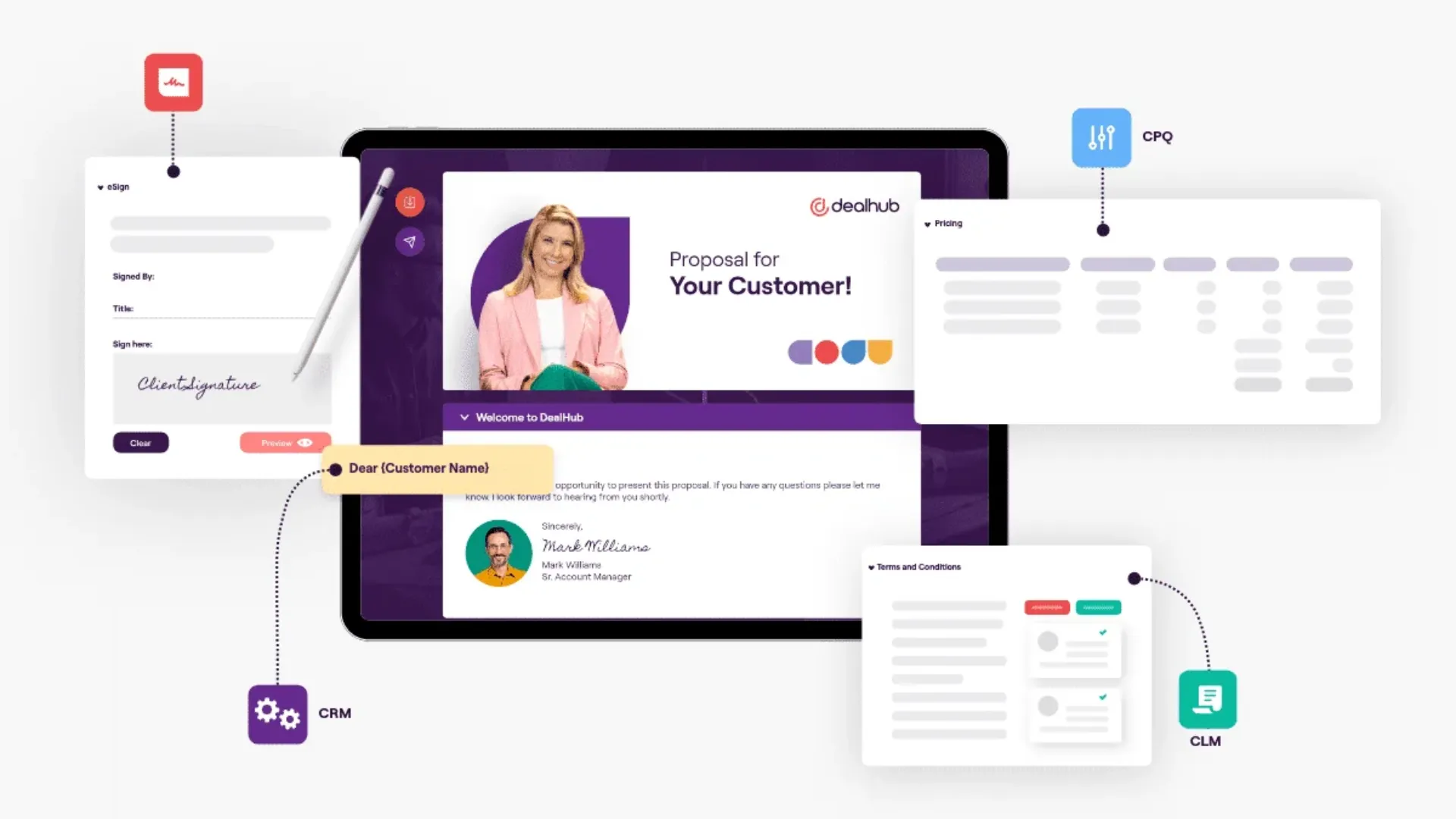
DealHub focuses on guided selling, CPQ, and revenue execution. It streamlines complex quoting and contract processes.
For teams managing subscription pricing, multi tier approvals, and detailed proposals, this is a specialized sales team software solution.
Best For
Organizations with complex pricing structures and contract workflows.
Sales Alignment
DealHub connects quoting, contracts, and CRM data into one unified flow.
Sales reps can:
- Generate accurate quotes
- Manage subscription pricing
- Track contract lifecycle stages
- Automate approvals
That tight integration reduces friction between sales, finance, and legal.
Team Coordination
Guided selling workflows walk reps through structured deal processes. This reduces errors and keeps everyone aligned on pricing rules.
Team Productivity
Automation handles:
- Proposal generation
- Contract revisions
- Billing coordination
- Renewal management
Instead of manual back and forth emails, everything sits inside one system.
Real Time Collaboration
Approvals, edits, and contract updates happen inside a shared environment. This accelerates deal cycles and reduces confusion.
Pricing
Custom pricing based on organization size and CPQ complexity.
.jpeg)

Power and parallel dialing in your CRM.