Our Top Picks


“Success is best when it’s shared.” – Howard Schultz
Sales used to reward individual heroes. Today, revenue is a team sport.
Modern B2B deals involve buying committees, layered approvals, technical evaluations, procurement cycles, and long nurture windows. When 7 in 10 reps miss quota, as recent benchmarking reports show, the issue is rarely effort. It is alignment. It is clarity. It is communication.
That is where sales team communication tools step in.
The right sales collaboration software does more than power chat. It connects your pipeline, your people, and your process into one shared rhythm. It ensures managers coach in context. It ensures marketing hears frontline objections. It ensures no opportunity stalls because someone missed a Slack thread.
This long form breakdown walks through the most effective team communication software for revenue teams in 2026, and how each one supports collaboration across internal teams, managers, and cross functional partners.
Team Collaboration
Team collaboration in sales is not about more messages. It is about shared visibility and coordinated action.
In strong sales organizations, collaboration shows up in three layers:
- Internal rep to rep communication
- Manager to rep coaching and performance loops
- Sales and marketing alignment around messaging and assets
The best sales team tools create a central hub where all three can happen naturally.
Without structure, communication becomes noise. With the right communication platform for sales, collaboration becomes a competitive advantage.
Internal Communication
Internal communication determines how fast your sales floor moves.
If your SDR does not know what your AE promised, friction starts. If marketing launches a campaign without syncing messaging, confusion spreads. If managers lack deal visibility, coaching becomes reactive.
Strong sales team messaging platforms help with:
• Shared deal visibility
• Tagged updates for stakeholders
• Centralized file sharing
• Pipeline level comments
• Structured notifications
The difference between chaotic teams and high performing teams often comes down to clarity. Good communication reduces internal friction. Great communication increases deal velocity.
Sales Floor
The digital sales floor is no longer a physical room. It is a distributed environment that spans cities, time zones, and home offices.
In this new reality, your sales team communication tools replace the tap on the shoulder, the quick desk side brainstorm, the spontaneous objection handling huddle.
Your tech stack must support:
- Live deal conversations
- Fast manager escalation
- Cross functional handoffs
- Clear next step ownership
If your communication stack feels disconnected from your CRM and your sales automation workflows, your team feels that friction daily.
Real-time Messaging
Speed wins deals.
Real time messaging inside a sales collaboration software environment keeps deals moving. It allows managers to step in quickly, allows reps to clarify questions instantly, and allows leadership to monitor pipeline health without excessive meetings.
The key is context.
Generic chat tools are helpful, but revenue teams benefit most when messaging lives close to deal data, forecasting dashboards, and engagement platforms.
Best Sales Team Communication Tools Breakdown In No Particular Order
Now, let’s talk about the actual platforms.
Flock
Flock sits in the category of structured team communication software with task management built in.
It offers channel based messaging that can be organized around accounts, territories, or functional teams. Reps can pin key assets, assign action items with deadlines, and launch video calls directly inside the workspace.
Where Flock Works Well
For growing sales teams that need more structure than basic chat tools but do not want a complex CRM driven collaboration layer, Flock provides a balanced middle ground.
It supports:
• Channel messaging organized around deals
• Built in to do assignments
• Polls and reminders
• Quick internal video huddles
• Document pinning
The strength of Flock is clarity. Conversations stay organized. Tasks stay visible. Teams reduce scattered email chains.
However, it remains primarily a communication layer. It does not deeply connect to performance dashboards or structured real-time coaching environments.
Microsoft Dynamics 365 CRM
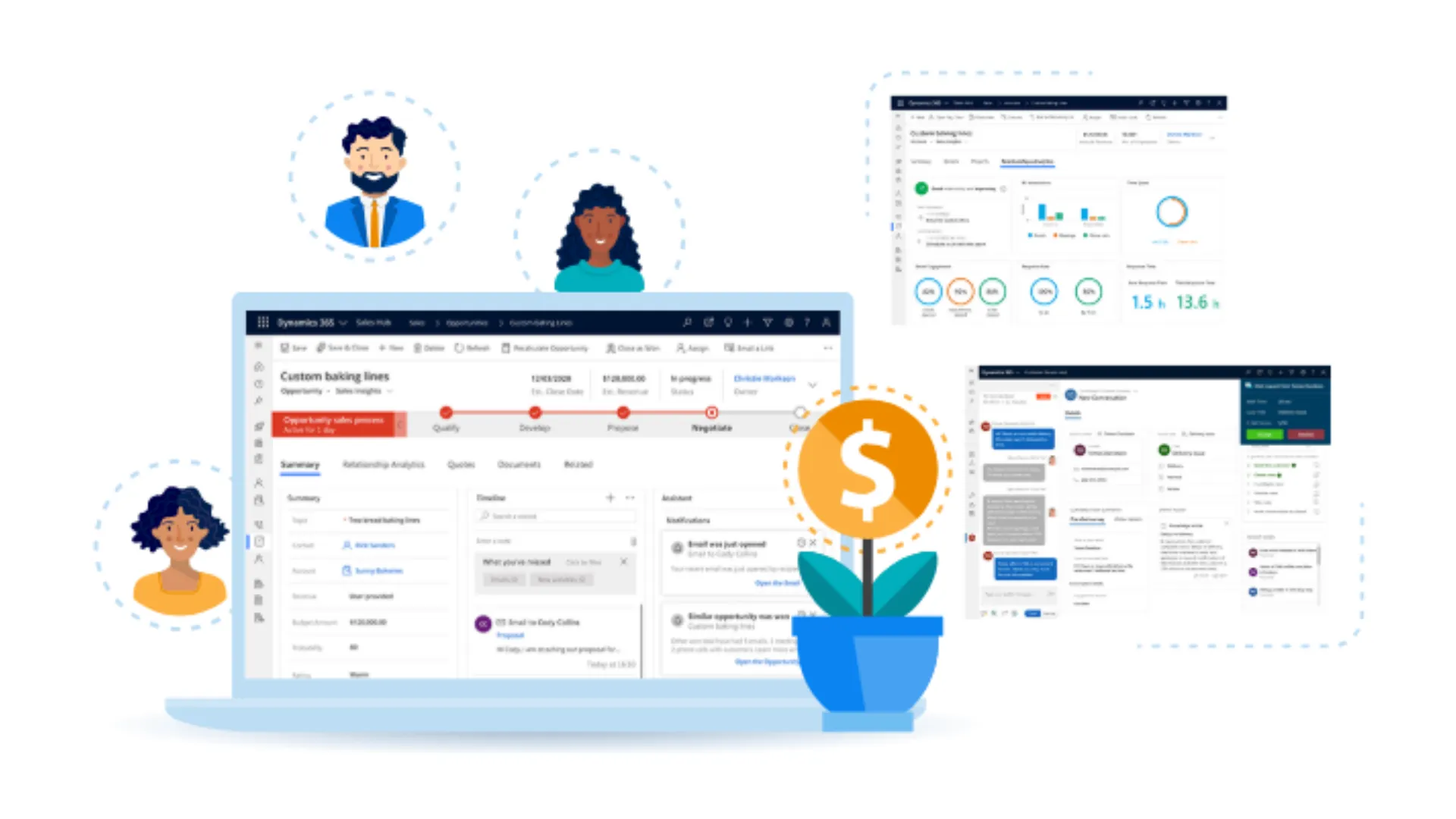
Microsoft Dynamics 365
Microsoft Dynamics 365 is not just a CRM. It is an enterprise grade customer relationship ecosystem.
For sales teams already operating inside the Microsoft environment, this platform becomes a centralized engine for:
- Lead tracking
- Pipeline visibility
- Marketing campaign alignment
- Forecasting transparency
- Customer data intelligence
Team Coordination Inside Dynamics
The advantage of Dynamics is that collaboration happens where the data lives. Comments, activity logs, and opportunity updates stay attached to the account record.
When connected with CPQ tools and broader sales automation systems, it enables stronger cross department coordination.
This makes it a powerful communication platform for sales teams that want collaboration tied directly to revenue intelligence.
That said, its complexity can feel heavy for smaller teams. It shines most in mid market to enterprise environments.
Monday.com
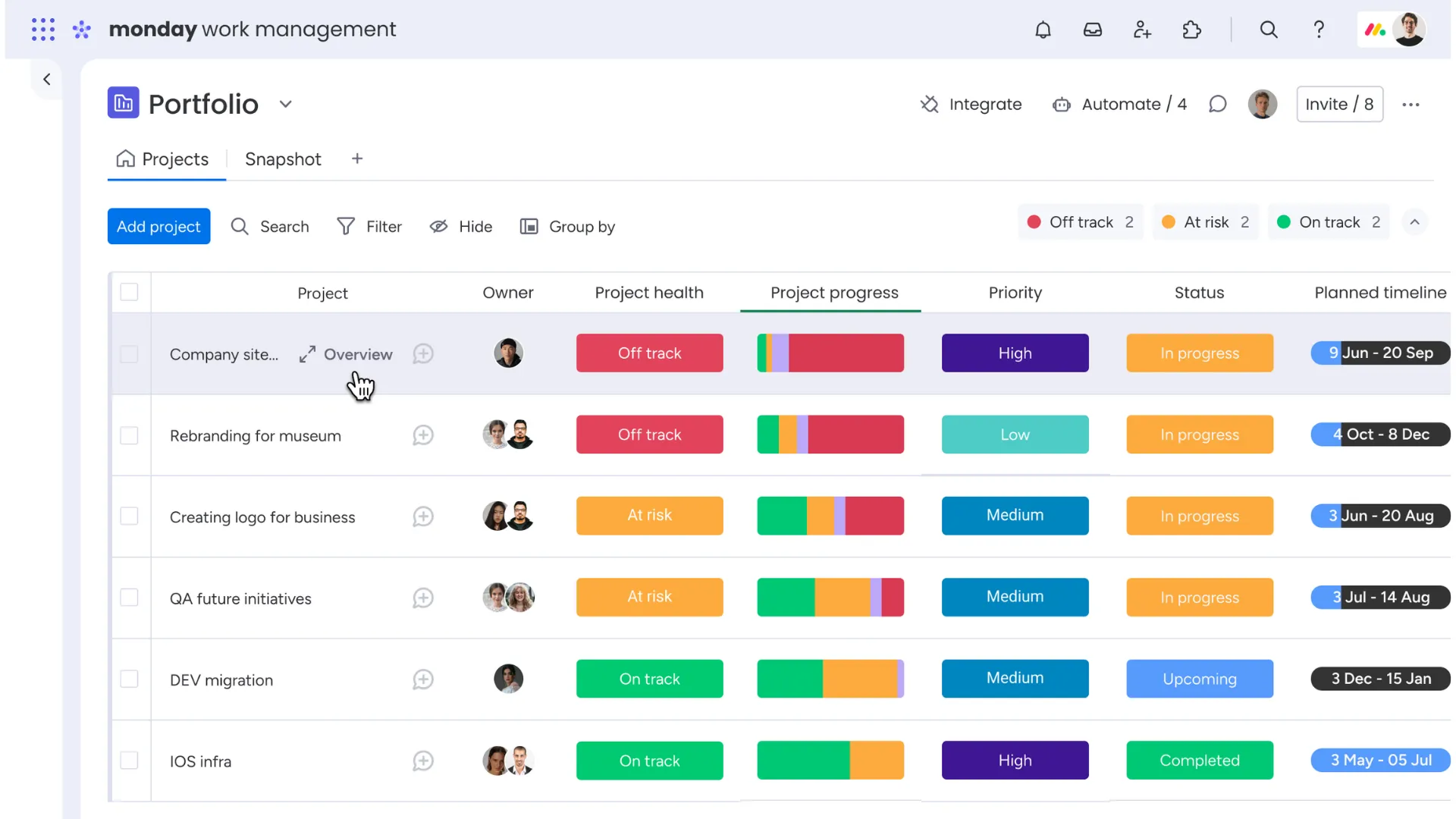
Monday.com is often categorized as a project management tool, but many revenue teams adapt it into a lightweight CRM and coordination engine.
Its real value lies in workflow visualization.
Why Sales Teams Use It
Sales managers can create boards that represent pipeline stages. SDR managers can track outbound cadences. Marketing can sync campaign timelines with sales outreach windows.
Key strengths include:
• Customizable dashboards
• Automation triggers
• Visual workflow tracking
• Cross team transparency
For organizations that need a flexible, visual layer of coordination beyond their CRM, Monday.com becomes a powerful sales team tool.
Its limitation is that it does not inherently provide deep sales team messaging or built in coaching frameworks. It is excellent for workflow clarity, less so for live deal collaboration.
Slack
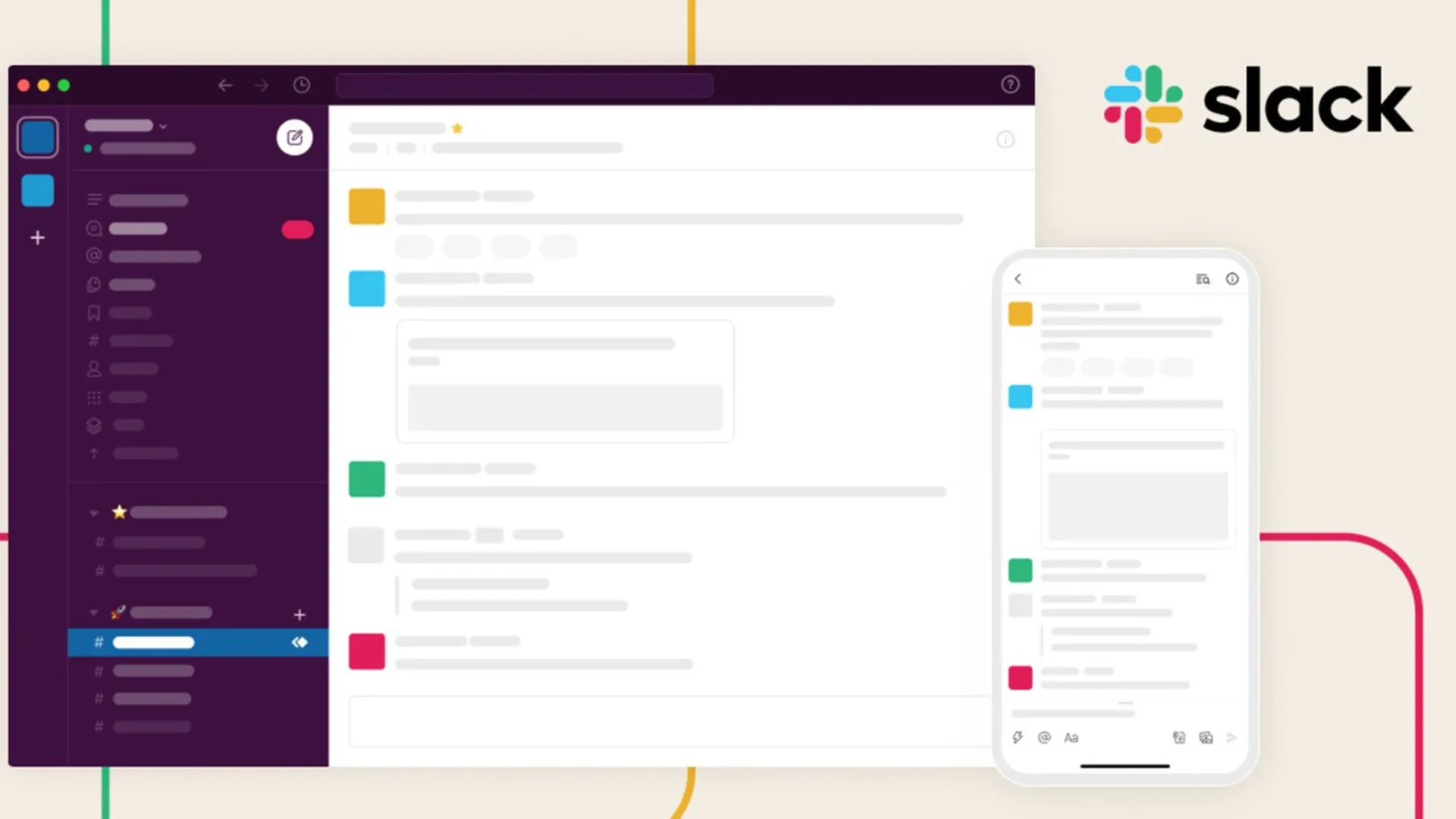
Slack remains one of the most widely adopted workplace messaging platforms globally.
For sales teams, Slack often becomes the digital sales floor.
Channels can be organized around accounts, verticals, leadership updates, or cross functional initiatives. Integrations allow deal alerts, contract approvals, and notification triggers.
Where Slack Excels
Slack is excellent for:
• Fast team communication
• Cross functional tagging
• Integration with engagement platforms
• Real time approval notifications
• Informal collaboration
The challenge with Slack is structure. Without disciplined channel management, information becomes fragmented. It is powerful, but not revenue specific.
Many teams pair Slack with deeper sales collaboration software to close that gap.
Todoist
Todoist is not a CRM and it is not a full blown communication platform for sales. What it does extremely well is accountability.
Sales teams live and die on follow ups. If a next step gets missed, momentum disappears. Todoist keeps tasks visible across devices, across teams, and across time zones.
Where It Fits Inside Sales Teams
Todoist works best as a lightweight coordination layer that supports stronger internal discipline.
It allows teams to:
• Assign due dates and reminders for follow ups
• Create shared projects for campaigns or account clusters
• Add comments to tasks for context
• Attach files or forward emails into tasks
• Sync across mobile and desktop instantly
For smaller teams or for reps who need personal structure layered on top of larger sales team communication tools, Todoist adds clarity without complexity.
However, it does not replace structured sales collaboration software. It complements it.
Google Workspace
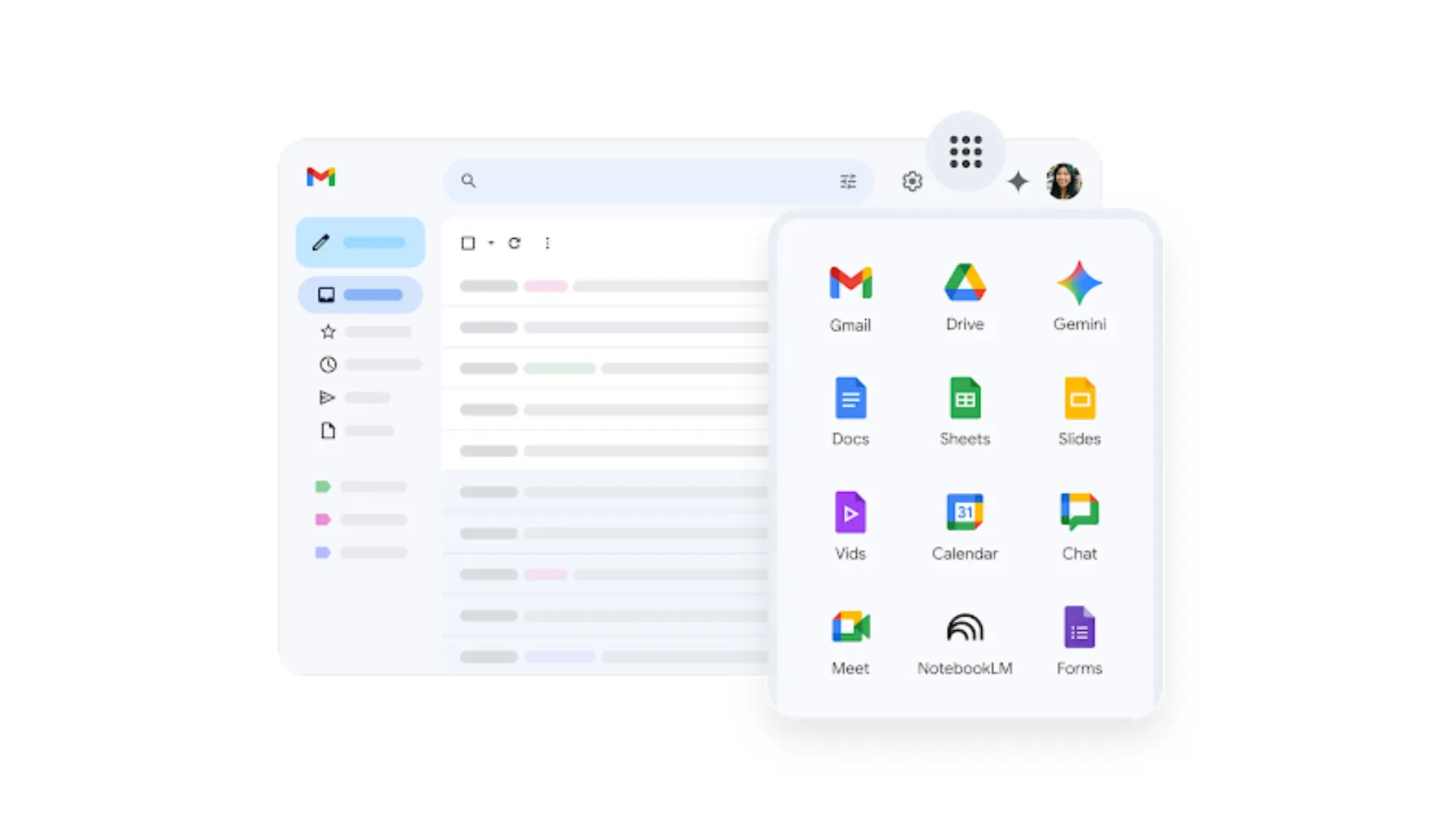
Google Workspace is the backbone of asynchronous collaboration for many revenue teams.
Docs, Sheets, Slides, Drive, Gmail, Meet, and Chat all work together in one ecosystem. In distributed sales environments, that fluid connection matters.
Internal Communication and Async Alignment
Google Docs comments and suggestion mode make cross functional messaging smoother. Marketing can edit messaging in real time. Sales can add field objections directly into shared documents. Leadership can comment without scheduling a meeting.
This strengthens:
- Internal communication
- Sales and marketing collaboration
- Campaign messaging clarity
- Proposal revisions
- Pricing documentation transparency
Google Meet provides video conferencing, while Google Chat offers instant messaging. Together, they create a basic but effective team communication software layer for distributed teams.
Its strength is accessibility and ease of use. Its limitation is that it is not revenue focused. It does not inherently track deal engagement signals or embed real time coaching into workflows.
Slab
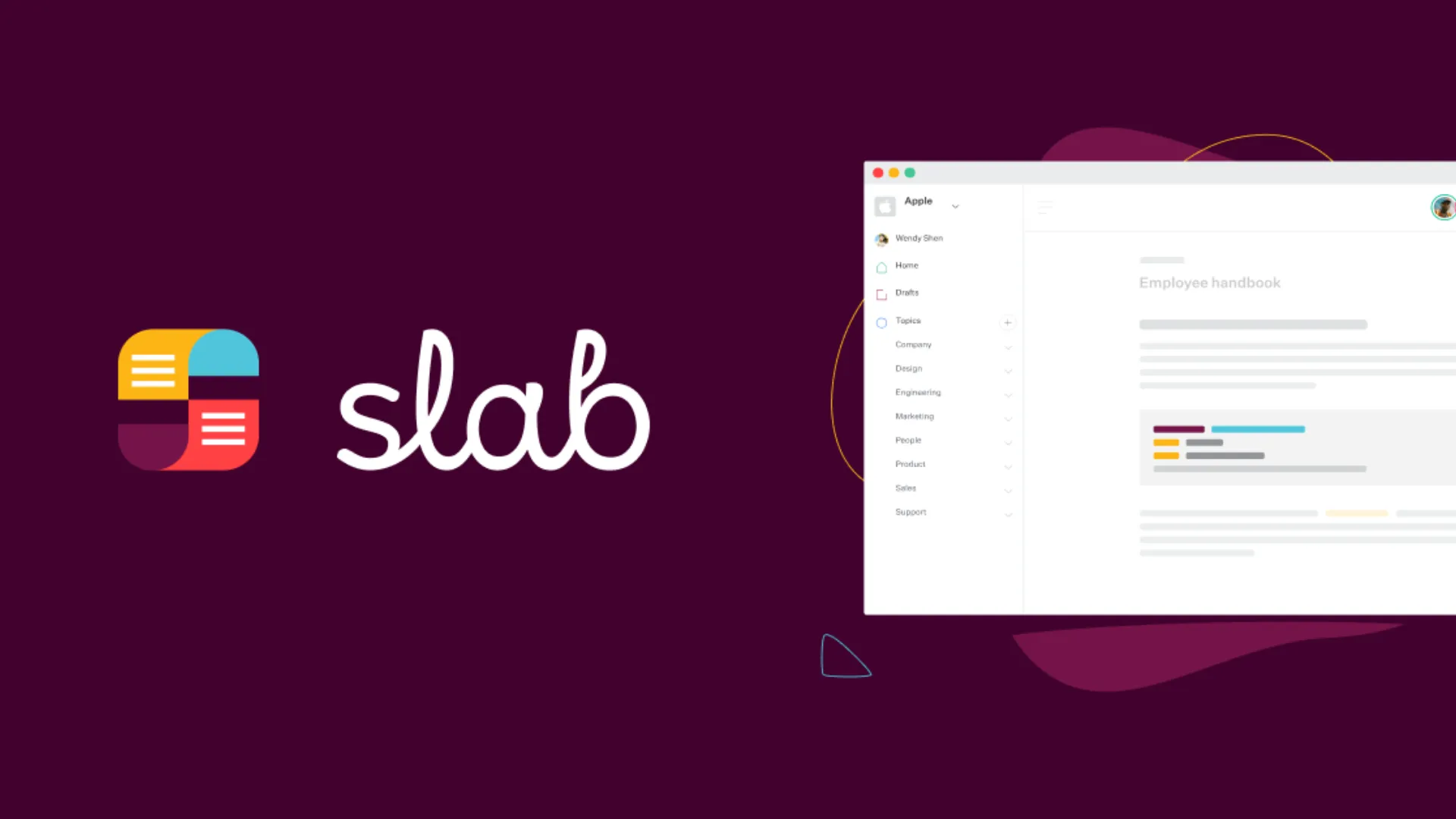
Slab is a knowledge base platform designed to centralize documentation and make information searchable and structured.
Knowledge sharing is one of the most overlooked components of strong sales culture. When reps repeatedly ask for the same deck or objection response, productivity suffers.
Knowledge Sharing
A structured knowledge system ensures:
- Playbooks remain accessible
- Competitive battle cards stay updated
- Messaging guidelines are centralized
- Onboarding materials are organized
- Cross functional documentation stays searchable
Slab integrates with Slack, Google Drive, GitHub, and other workplace tools. It does not try to replace them. It strengthens them.
In a modern sales collaboration software stack, a knowledge base is essential. Slab fills that role cleanly, especially for remote sales teams.
Trellus.ai: Overall Best AIO Outbound Sales Team Communication Program
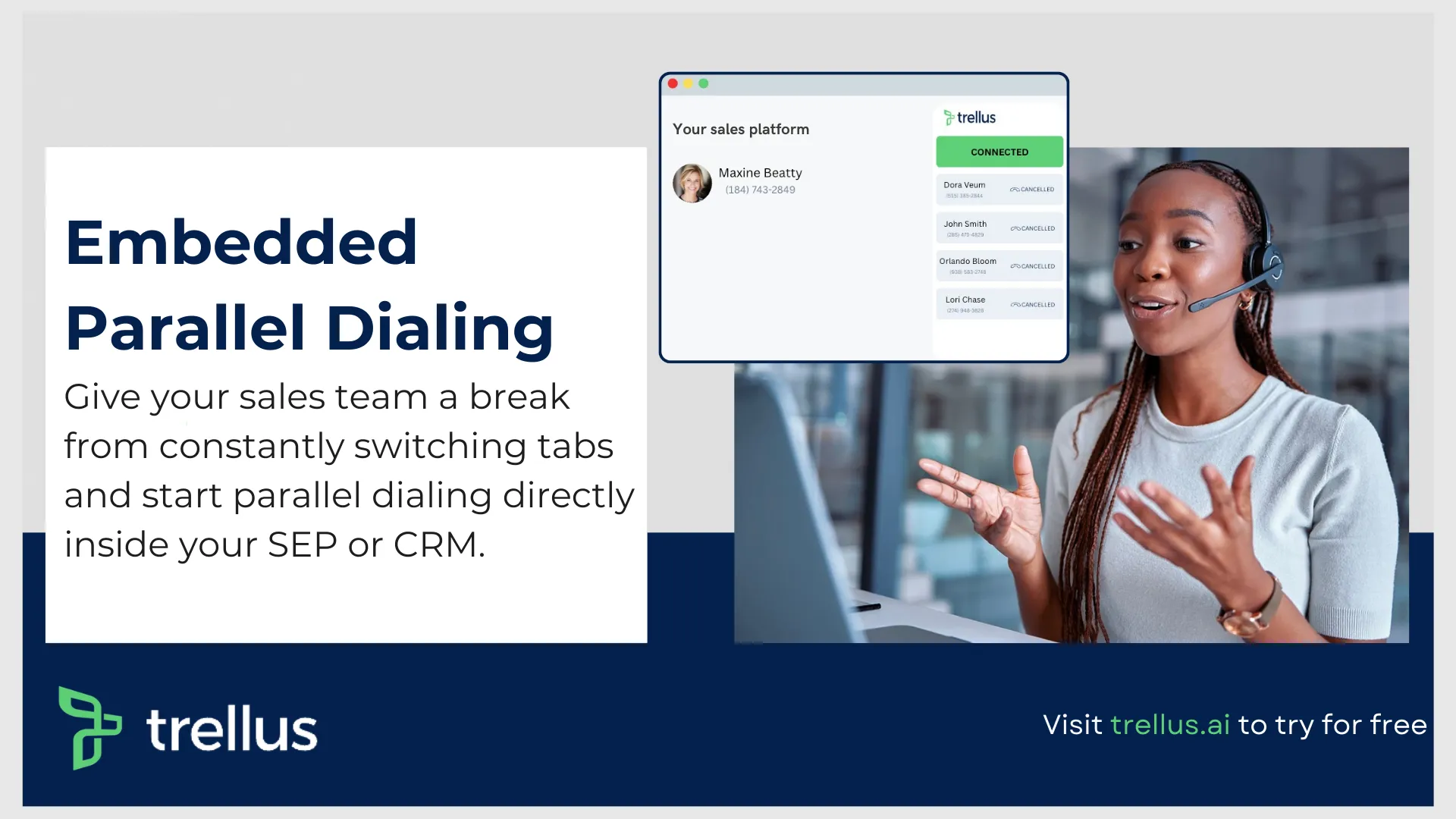
Trellus sits in a different category compared to generic team communication software. It was built specifically around revenue execution.
Instead of functioning as another chat tool layered on top of existing systems, it acts as a centralized environment designed for outbound coordination, visibility, and coaching.
This is where traditional tools begin to feel fragmented and specialized platforms step forward.
Team Coordination
Sales teams operate in motion. Accounts shift. Opportunities evolve. Priorities change weekly.
Our platform centralizes coordination across:
- Shared deal workspaces
- Activity visibility between SDRs and AEs
- Cross functional tagging with marketing and customer success
- Clear next step ownership
Rather than scattered messages across multiple tools, collaboration happens within the revenue context itself.
This creates a tighter loop between pipeline movement and communication.
Knowledge Sharing
Information loses value when it is buried in Slack threads.
Inside Trellus, knowledge hubs connect directly to pipeline stages. Objection handling guidance can surface during live calls. Playbooks remain accessible without forcing reps to search across multiple systems.
It also supports AI powered practice sessions that simulate conversations for stronger preparation.
This transforms knowledge from static documentation into performance support.
Feedback Systems
Feedback is often delayed in traditional sales environments. Managers review calls days later. Coaching happens during scheduled one on ones.
Trellus shifts feedback closer to real time.
Managers gain visibility into:
- Live forecasting updates
- Call performance metrics
- Activity tracking dashboards
- Campaign level KPIs
This creates a stronger real-time coaching loop. Coaching becomes contextual, not abstract.
Reps understand exactly what to improve because the feedback is tied directly to pipeline data.
Real-time Messaging
Unlike generic chat platforms, messaging inside Trellus exists alongside revenue activity.
Conversations connect to:
- Specific deals
- Forecast updates
- Outbound campaigns
- Performance dashboards
This tight connection reduces friction between communication and execution.
It functions not just as sales team messaging, but as a revenue operating layer.
Sales Culture
Technology shapes behavior.
When performance metrics are transparent and manager visibility is structured, accountability rises. When recognition systems highlight wins, morale strengthens.
Trellus supports:
- Custom KPIs for reps
- Leader visibility dashboards
- Structured coaching loops
- Recognition features
Sales culture improves when collaboration feels purposeful, not chaotic.
Remote Collaboration
Remote teams struggle most with alignment.
Without hallway conversations, teams rely heavily on their communication platform for sales. Trellus was built remote ready. It centralizes coordination, performance tracking, and communication in one environment.
For mid sized to enterprise outbound teams that depend heavily on sales automation and engagement platforms, this level of integration matters.
It bridges:
- Campaign performance
- Call analytics
- CRM data
- Post sale handoffs
The result is a cleaner revenue motion.
Communication Platform Strategy
Choosing between these sales team tools depends on your organization’s maturity.
Smaller teams may combine Slack, Google Workspace, and Todoist.
Growing teams often layer in Monday.com or Dynamics.
Enterprise outbound organizations increasingly look toward specialized revenue environments that combine collaboration, analytics, and coaching.
The goal is not more tools. The goal is alignment.
When your sales team communication tools connect messaging, coordination, and performance insight into one coherent flow, quota attainment improves.
Communication stops being noise and starts becoming leverage.
.jpeg)

Power and parallel dialing in your CRM.