5 Aloware Alternatives to Demo Now (And 2 Categories That Underperformed in Our Tests)
Aloware is a great platform for outbound sales teams, but sometimes it falls short. Here are some of the best Aloware alternatives that you should atleast demo to see how they stack against your business requirements.
.jpeg)

On this page
Our Top Picks


Aloware has earned its spot as a familiar name in outbound and SMS driven sales teams.
The Aloware app brings calling, texting, and CRM syncing into a single workspace, which on paper sounds like everything a modern revenue team needs.
In practice, teams tend to hit limits faster than expected.
Across multiple Aloware reviews, the same themes come up again and again. As outbound volume grows, performance can feel inconsistent. As leadership expectations rise, reporting depth feels shallow. As sales motions mature, workflow flexibility starts to feel boxed in.
That gap between early promise and long term scalability is the main reason teams start searching for Aloware alternatives, not because the platform is broken, but because it stops growing at the same pace they do.
What follows is a practical breakdown of alternatives to Aloware that teams are actively demoing in 2026, along with context on where each option fits best and where some categories fell short in real world testing.
Why Teams Actively Look for an Aloware Replacement
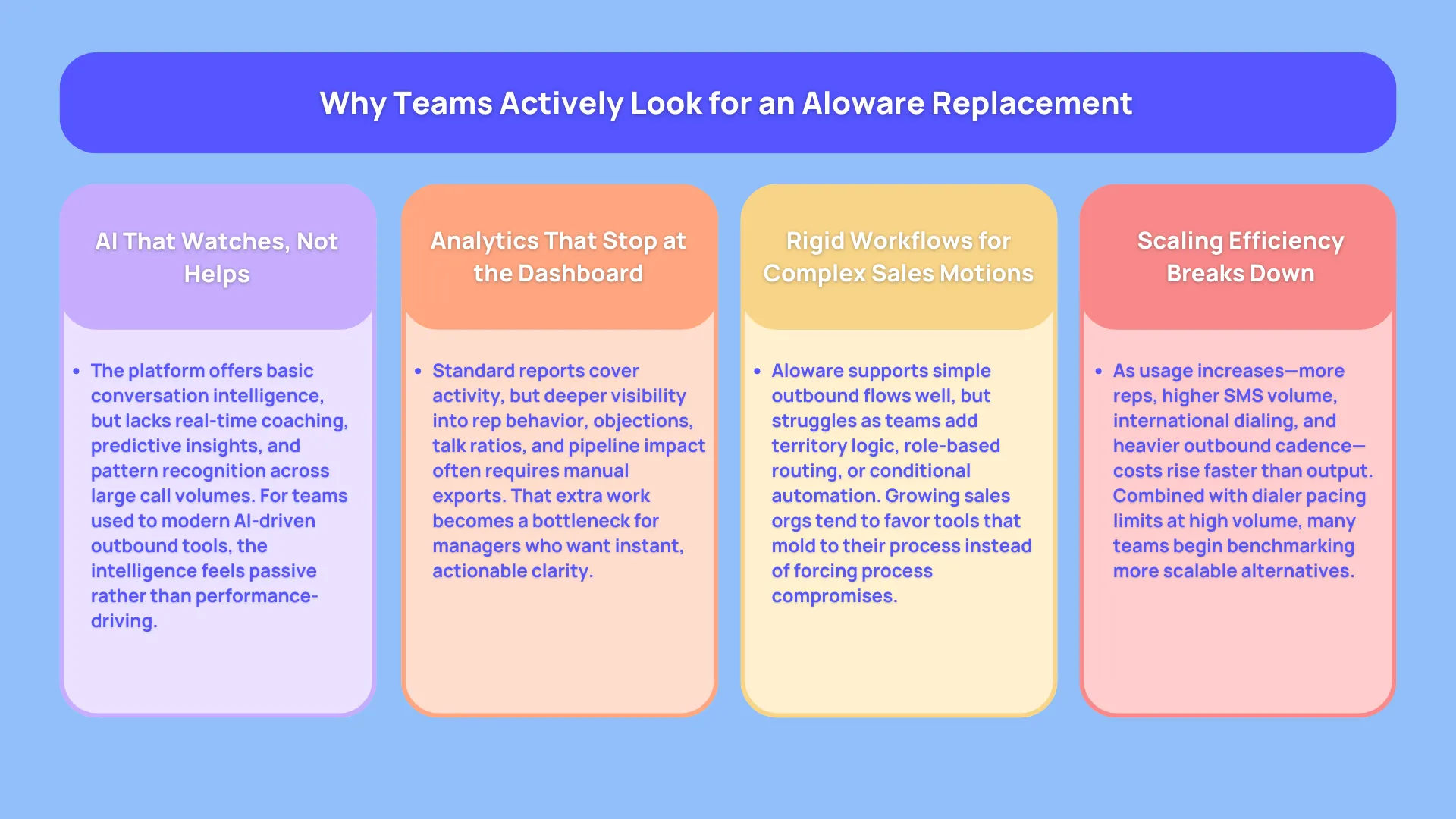
Most teams do not wake up one morning and decide to rip out their calling infrastructure. The decision to replace a dialer or contact platform usually builds slowly, shaped by daily friction that compounds over time.
Limited AI Depth Beyond the Basics
The Aloware app offers conversation intelligence and SMS automation, but the AI layer stops short of what many outbound teams now expect. Sales leaders want pattern detection across thousands of calls, real time guidance during live conversations, and coaching insights that feel actionable rather than retrospective.
Compared to modern AI cold calling software, Aloware’s intelligence feels more observational than assistive.
Reporting That Feels Surface Level
Managers looking for granular breakdowns by rep behavior, objection handling, talk ratios, or pipeline influence often feel constrained. While Aloware comparison pages highlight dashboards and call logs, deeper analytics usually require exporting data into external tools.
That extra step creates friction for teams that want clarity without constant manual work.
Workflow Customization Hits a Ceiling
Aloware works well for straightforward outbound motions. Once teams start layering territory rules, role based routing, or conditional automation paths, the system begins to feel rigid.
Sales organizations running complex motions often prefer sales automation tools that adapt to how the team sells, not the other way around.
Scaling Costs Rise Faster Than Output
Aloware pricing looks accessible early on. As teams add lines, SMS volume, international dialing, and advanced features, costs scale quickly. For mid market teams, the value equation can start to feel unbalanced.
This is where comparisons against Aloware competitors become unavoidable.
Outbound Throughput Challenges at Volume
While the built in power dialer handles moderate outbound loads, high volume campaigns expose delays and pacing inefficiencies. Teams running aggressive prospecting programs often look for parallel dialer solutions or more advanced outbound engines.
Best Aloware Alternatives Worth Demoing in 2026
Not every platform positioned as an Aloware substitute actually solves the same problems.
Some shine in reliability, others in intelligence, and others in outbound scale. The options below consistently come up when teams want something similar to Aloware, but more capable.
1. Trellus.AI - Parallel Dialing Focused Option Built for Serious Outbound Teams
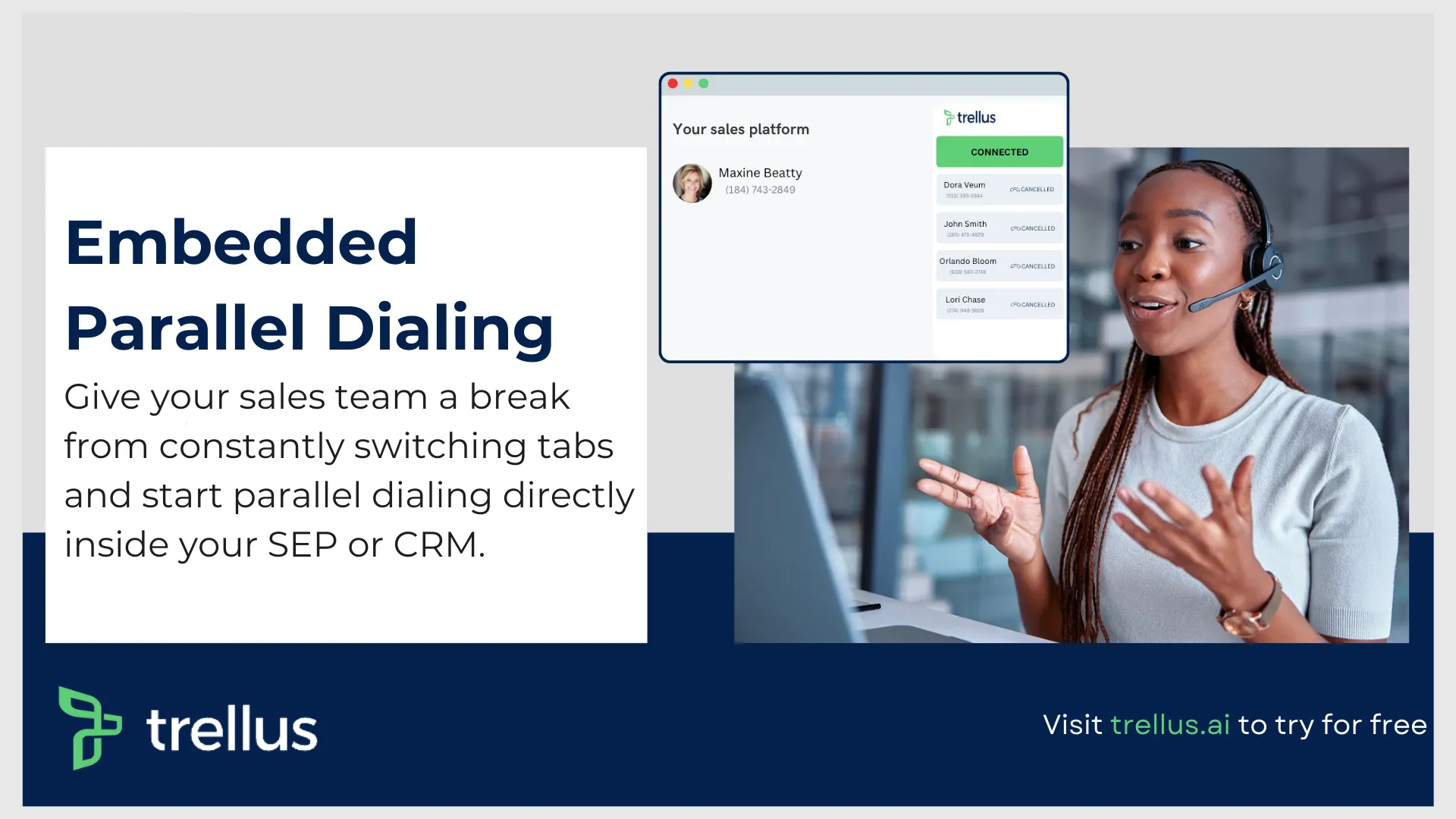
This platform usually comes up when outbound leaders feel limited by single line dialing and want more control over call volume without sacrificing call quality.
What’s the crux of it?
Well, instead of forcing reps into one dialing mode, it is built around parallel calling, which allows multiple lines to be dialed at the same time while still ensuring a live human connection.
For teams frustrated with pacing issues inside the Aloware app, this approach immediately changes daily output.
Why Outbound Teams Move Away from Aloware Here
Aloware’s power dialer works well for moderate activity, but high intent outbound teams often hit a ceiling. Call connection delays, idle rep time, and inconsistent pickup rates start to add up.
This is where a platform purpose built around parallel dialer solutions becomes appealing. Instead of dialing one lead at a time and waiting, reps stay continuously connected to live prospects.
Where This Platform Feels Better Than Aloware
• Parallel calling increases live conversations per hour without predictive dialing risk
• Designed specifically for outbound sales, not general VoIP usage
• Native CRM syncing focused on sales workflows
• Strong visibility into call outcomes and rep efficiency
What stands out is how outbound focused the experience feels. There is very little distraction from non essential features. Everything is oriented around helping reps spend more time talking to real prospects.
For teams comparing Aloware vs competitors, this clarity of purpose often makes a noticeable difference in performance.
Coaching and Rep Performance Support
Trellus’s built in AI listens to live calls, recognizes behavioral patterns as conversations unfold, and surfaces real time highlights to SDRs while they are still speaking with prospects.
For reps who struggle with objection handling or confidence on cold calls, this immediate feedback can be a game changer.
Managers can review call outcomes, identify bottlenecks, and guide reps based on real activity rather than assumptions.
This makes it a strong option for teams that want performance gains without the complexity of enterprise contact center software.
Where It May Not Be the Best Fit
Teams that rely heavily on inbound support queues, omnichannel customer service, or deep IVR logic may find it too outbound focused. It is not trying to replace a full support stack.
Instead, it works best as a dedicated outbound engine alongside other sales engagement platforms.
Best Fit Use Case
This option works best for SDR and BDR teams running high volume outbound motions who want faster live connect rates and less rep downtime.
For those teams, it often feels like a more focused and efficient Aloware replacement rather than a general purpose Aloware equivalent.
2. RingCentral as an Aloware Equivalent for Reliability Focused Teams
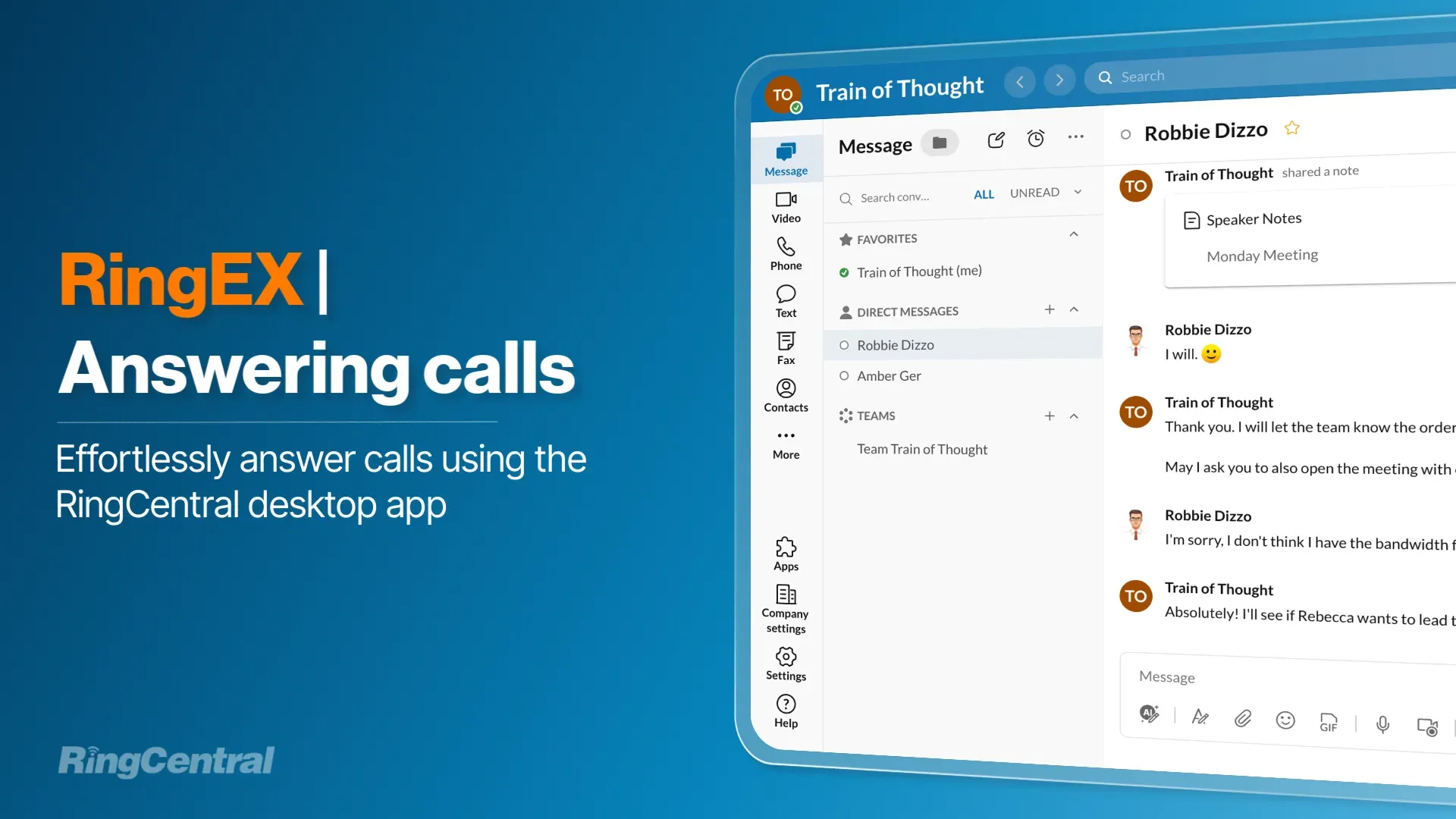
RingCentral often enters the conversation when uptime, stability, and ecosystem depth matter more than outbound specialization. It is not a lightweight dialer.
It is a full Unified Communications platform designed to support large distributed teams without operational risk.
Where Aloware focuses heavily on sales workflows, RingCentral prioritizes consistency across voice, messaging, and collaboration.
Why Teams Consider RingCentral Instead of Aloware
RingCentral’s biggest advantage is reliability. A 99.999 percent uptime SLA is not marketing fluff. For teams running revenue operations across time zones, even small outages create real cost.
The platform also connects deeply into broader sales engagement platforms, making it easier to centralize communication without stitching together multiple vendors.
Strengths That Stand Out Against Aloware
• Enterprise grade call stability that holds up under peak loads
• Native integrations with over 300 business tools, including Salesforce and HubSpot
• Advanced call analytics suitable for leadership reporting
• Voice, SMS, video meetings, and internal messaging in one environment
Underneath those bullets is the real value. RingCentral removes uncertainty. Calls connect when they should. Data syncs predictably. Managers trust the numbers they see.
Where RingCentral Falls Short
RingCentral is not built exclusively for outbound prospecting teams.
Advanced outbound workflows require more setup and configuration. Smaller sales teams may find the interface heavier than necessary.
Pricing also climbs as advanced features are unlocked, which can feel steep compared to early stage power dialer software options.
Best Fit Use Case
RingCentral works best for organizations that want a stable, all in one communications backbone and are willing to trade some outbound agility for reliability. For teams burned by call drops or platform lag, this trade often feels worth it.
3. Nextiva as a More Scalable Aloware Substitute for High Volume Outbound
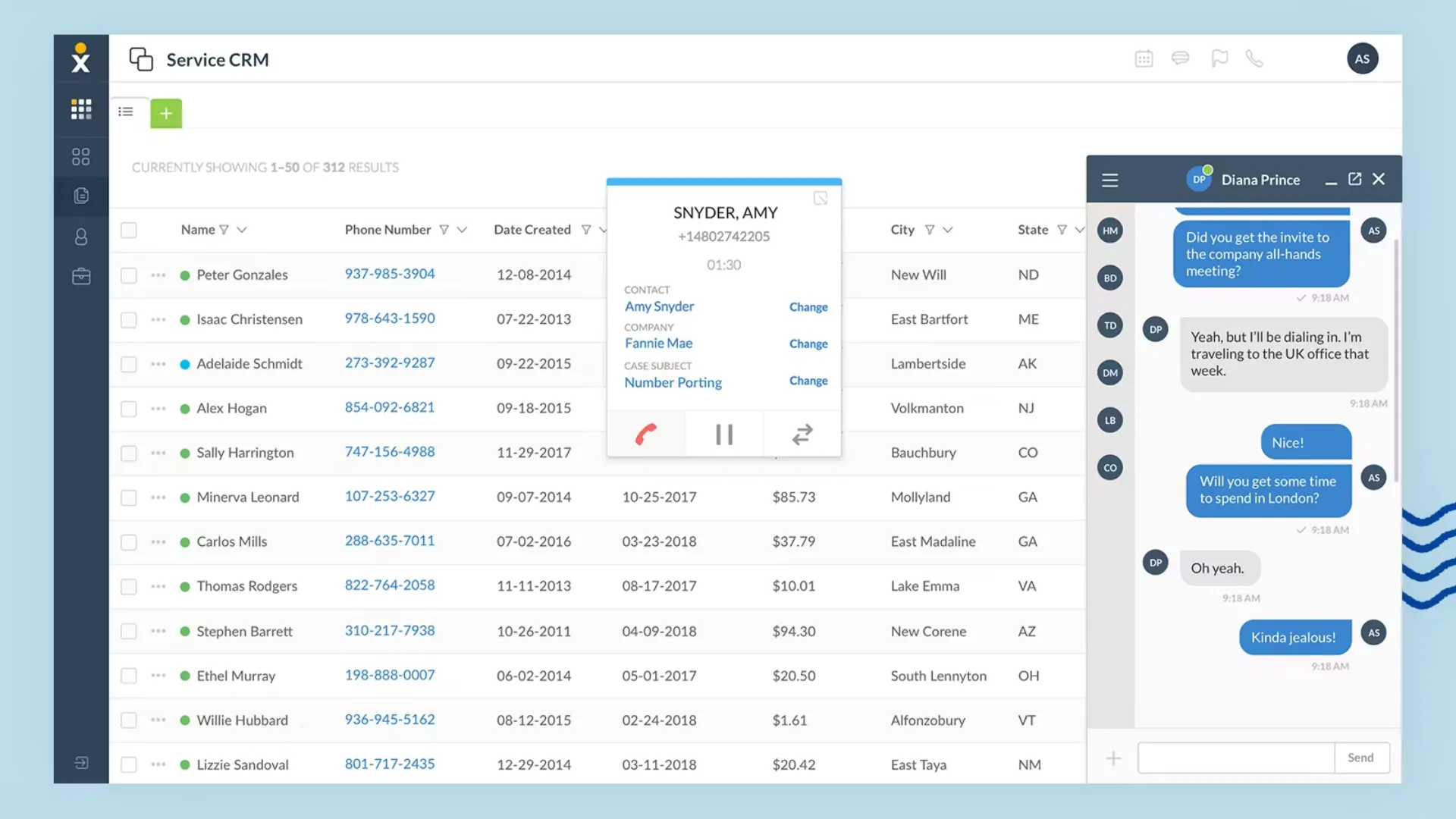
Nextiva tends to attract teams that have outgrown simple calling workflows and want more control over how outreach actually runs at scale.
While Aloware handles basic outbound needs well, Nextiva steps in when dialing volume, channel complexity, and manager oversight all increase at the same time.
Instead of centering everything around a single dialing motion, Nextiva supports multiple outbound strategies inside one system. That difference alone changes how fast teams can move.
Why Teams Switch from Aloware to Nextiva
Outbound teams rarely stay static. As soon as call volume increases or multiple personas enter the funnel, dialing flexibility becomes critical.
Nextiva supports power, predictive, and progressive dialing, which allows teams to adapt their approach based on lead quality, campaign goals, and rep experience.
For teams comparing Aloware vs competitors, this flexibility is one of the biggest reasons Nextiva gets shortlisted.
Where Nextiva Feels Better Than Aloware
• Multiple dialing modes designed for different outbound scenarios
• Unified workspace covering voice, SMS, email, live chat, and social channels
• Built in AI features like real time transcription, call summaries, and sentiment insights
• Strong call routing logic that supports complex sales motions
Under the hood, Nextiva behaves more like a full outbound command center than a basic calling tool. Managers gain visibility across channels, not just calls. Reps avoid jumping between tools. Coaching conversations become data driven instead of anecdotal.
This makes Nextiva a strong option for teams already invested in sales automation tools and looking to consolidate outreach into one system.
Where Nextiva Can Feel Heavy
Advanced reporting and analytics are locked behind higher tier plans, which can frustrate smaller teams. Initial configuration also takes time, especially when routing rules and omnichannel flows are involved.
That said, once configured properly, teams often report fewer bottlenecks than they experienced inside the Aloware app.
Best Fit Use Case
Nextiva works best for outbound teams running multi channel campaigns who need dialing flexibility and centralized visibility. For growing sales organizations, it often feels like a more future proof Aloware replacement.
4. Dialpad as a Real Time Intelligence Driven Alternative to Aloware
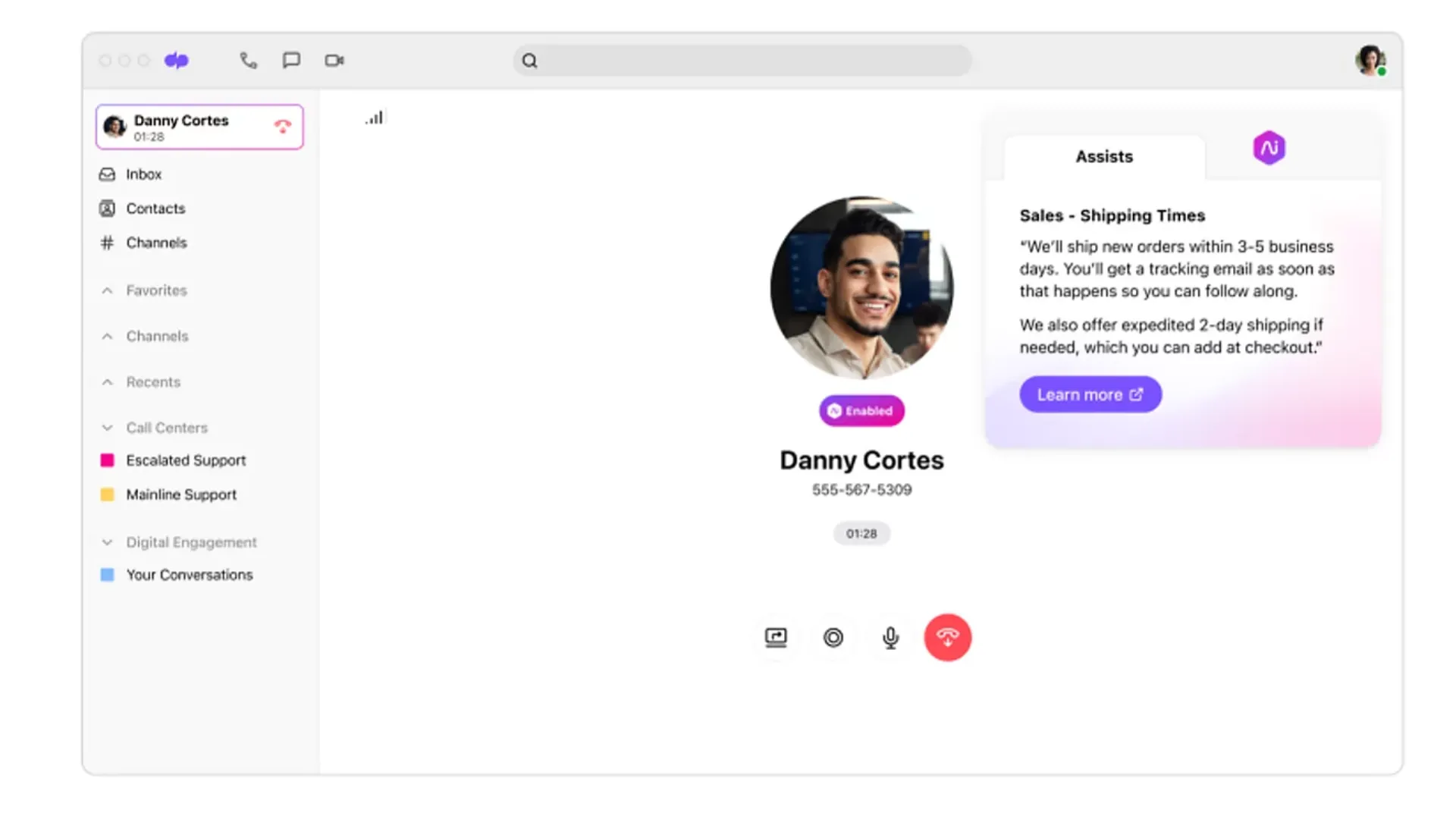
Dialpad takes a very different approach compared to most Aloware competitors.
Its Voice Intelligence system listens, transcribes, and analyzes conversations as they happen, not after the fact. That shift fundamentally changes how reps receive guidance and how managers coach.
Why Dialpad Appeals to Teams Leaving Aloware
Aloware reviews often mention that insights arrive too late to impact live conversations. Dialpad flips that model. Reps see live transcriptions and sentiment signals while they are still on the call, which helps them adjust messaging in real time.
For teams investing in real-time call coaching, this capability alone can justify the switch.
Strengths That Set Dialpad Apart
• Live call transcription with searchable conversation history
• Sentiment tracking and keyword alerts during active calls
• Real time coaching prompts surfaced to reps mid conversation
• Unified calling, messaging, video, and internal collaboration
Dialpad feels less like a traditional dialer and more like an intelligence layer sitting on top of communication. For sales leaders focused on skill development, this aligns closely with modern sales coaching software expectations.
Limitations to Be Aware Of
AI transcription accuracy can suffer in noisy environments or with strong accents. Some teams also report inconsistent support experiences, especially during high priority issues.
Despite these drawbacks, Dialpad often still feels better than Aloware for teams that value intelligence over raw outbound throughput.
Best Fit Use Case
Dialpad works best for coaching driven organizations that want to improve rep performance call by call. If leadership prioritizes conversation quality over dialing volume, Dialpad becomes a compelling Aloware equivalent.
5. Talkdesk as an Enterprise Grade Aloware Replacement
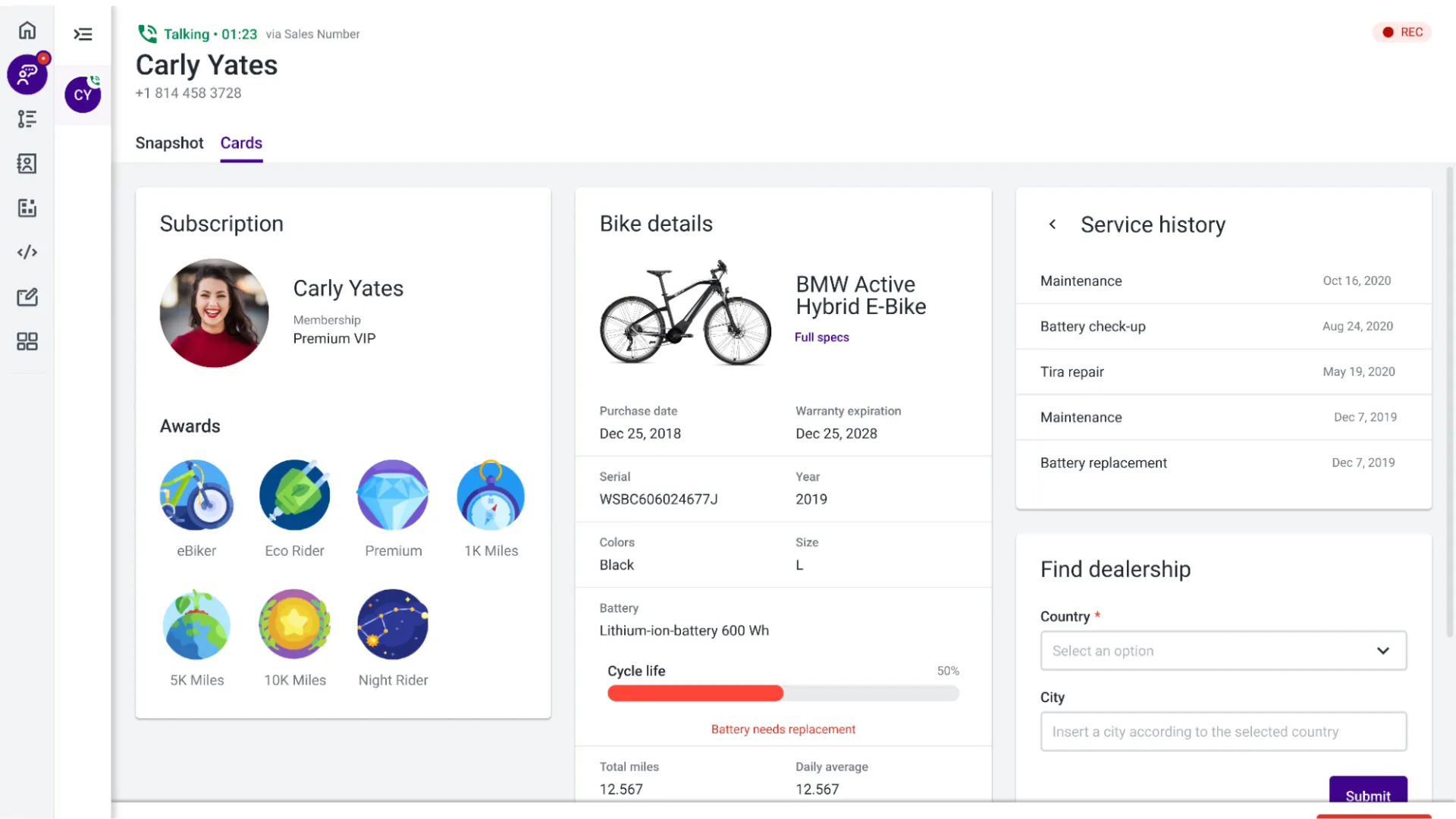
Talkdesk usually enters the conversation when sales or support leaders want a platform that can handle complex environments, strict compliance needs, and large scale operations. It is not positioned as a lightweight Aloware substitute.
It is positioned as a premium contact center platform with deep customization and AI baked into its core.
For teams comparing Aloware vs competitors, Talkdesk often looks like a big leap forward, but it comes with tradeoffs.
Why Teams Consider Talkdesk Instead of Aloware
Aloware works well for straightforward sales workflows.
Talkdesk shines when workflows are anything but simple. It supports advanced routing logic, multiple dialing modes, virtual agents, and enterprise level analytics that go far beyond what most Aloware reviews describe.
This makes Talkdesk appealing to organizations that need more than a sales tool and instead want a full customer experience platform.
Where Talkdesk Clearly Outperforms Aloware
• Support for predictive, progressive, preview, and power dialing
• Advanced conversation intelligence and virtual agent capabilities
• Strong integrations with Salesforce, Zendesk, and HubSpot
• Designed to scale across large teams and multiple regions
These strengths matter most for organizations already operating at scale. Compared to the Aloware app, Talkdesk feels more configurable and more resilient under heavy usage.
Where Talkdesk Struggles
Pricing is the biggest barrier. Entry level plans start far above most Aloware competitors, and meaningful AI features live in higher tiers. For small and mid size teams, the cost can outweigh the benefits.
Implementation complexity is another concern. Integrations and custom workflows often require technical resources. Teams without internal ops or IT support may find onboarding slower than expected.
Some users also point out that a few core features feel less polished than expected at this price point, which makes careful evaluation essential.
Best Fit Use Case
Talkdesk fits best for large organizations with complex call flows, dedicated technical resources, and budgets that support premium tooling. For early stage sales teams, it is rarely the best alternative to Aloware.
Two Categories That Underperformed in Our Tests
Not every option that looks good on a comparison page performs well in real sales environments. During testing, two categories consistently failed to meet expectations once call volume, rep behavior, and manager needs were factored in.
Basic VoIP Calling Tools Marketed as Aloware Alternatives
At first glance, basic VoIP tools appear cheaper and simpler than Aloware. Many claim to support calling, texting, and CRM syncing, which sounds comparable on paper.
In practice, these tools fall short once real outbound work begins.
Why These Tools Struggled
• Limited dialing capabilities that slow down outreach
• Minimal analytics beyond call logs
• No support for advanced automated calling solutions• Weak coaching and performance visibility
These platforms work fine for internal calls or light customer support.
They normally struggle alot when used as outbound sales engines. Teams that switched from Aloware to basic VoIP tools often returned to the market within months.
As an Aloware equivalent, this category simply does not hold up.
Generic CRM Add On Dialers
Many CRMs now offer native dialers or marketplace add ons. On the surface, this feels convenient. Everything lives in one system, and setup looks simple.
Once tested at scale, the cracks show quickly.
Where CRM Dialers Fell Short
• Slow dialing speed compared to dedicated power dialer software• Poor call quality during peak usage
• Limited support for parallel dialer solutions• Little to no real time coaching or AI support
These tools are built to check a feature box, not to power serious outbound motions.
For teams used to the Aloware app, CRM dialers felt like a step backward rather than a viable Aloware replacement.