Best Call Coaching Software for Sales Development Reps: Detailed Guide & Insights
Conversational skills are more of a necessity these days due to high competition and exhausting sales targets. Here's a detailed guide on the best call coaching software for sales development reps to help you get started.
.jpeg)
On this page
Our Top Picks


Marketing and sales people commonly use the expression: “We don’t just drop the needle, we move it!”
It’s more of a standing ovation to a certain level of confidence in their performance, suggesting that we are so exceptionally skilled that we can overdeliver on results. The same concept applies to sales conversions, especially when they’re a direct result of cold calls.
However, those goals and targets are only achievable by SDRs and BDRs, if they have ironclad research and conversational skills. The latter is kinda hard to come by because not every salesrep is proficient in speaking skills.
If that’s not convincing enough, then here’s the thing…
A recent survey by folks at CDO Insights suggested that sales teams that received less than half an hour of conversational skills training made 42% sales, as compared to those teams that had an average of two hours of training per week.
Having said that, we wanted to create a detailed post on everything you need to know about sales coaching software, its features, and how to select the right platform for your team.
Suppose you’re wondering why you need a digital solution to coach your SDRs when their line managers are available to intervene.
Then know this, that in a high volume outbound sales call business, managers with eight or ten SDRs cannot realistically listen to hundreds of calls every week. Even if they could, the insights would still be subjective. One manager might prioritize talk time balance while another focuses on objection handling. Without data, coaching often becomes inconsistent.
The Core Capabilities Behind Modern SDR Coaching Platforms
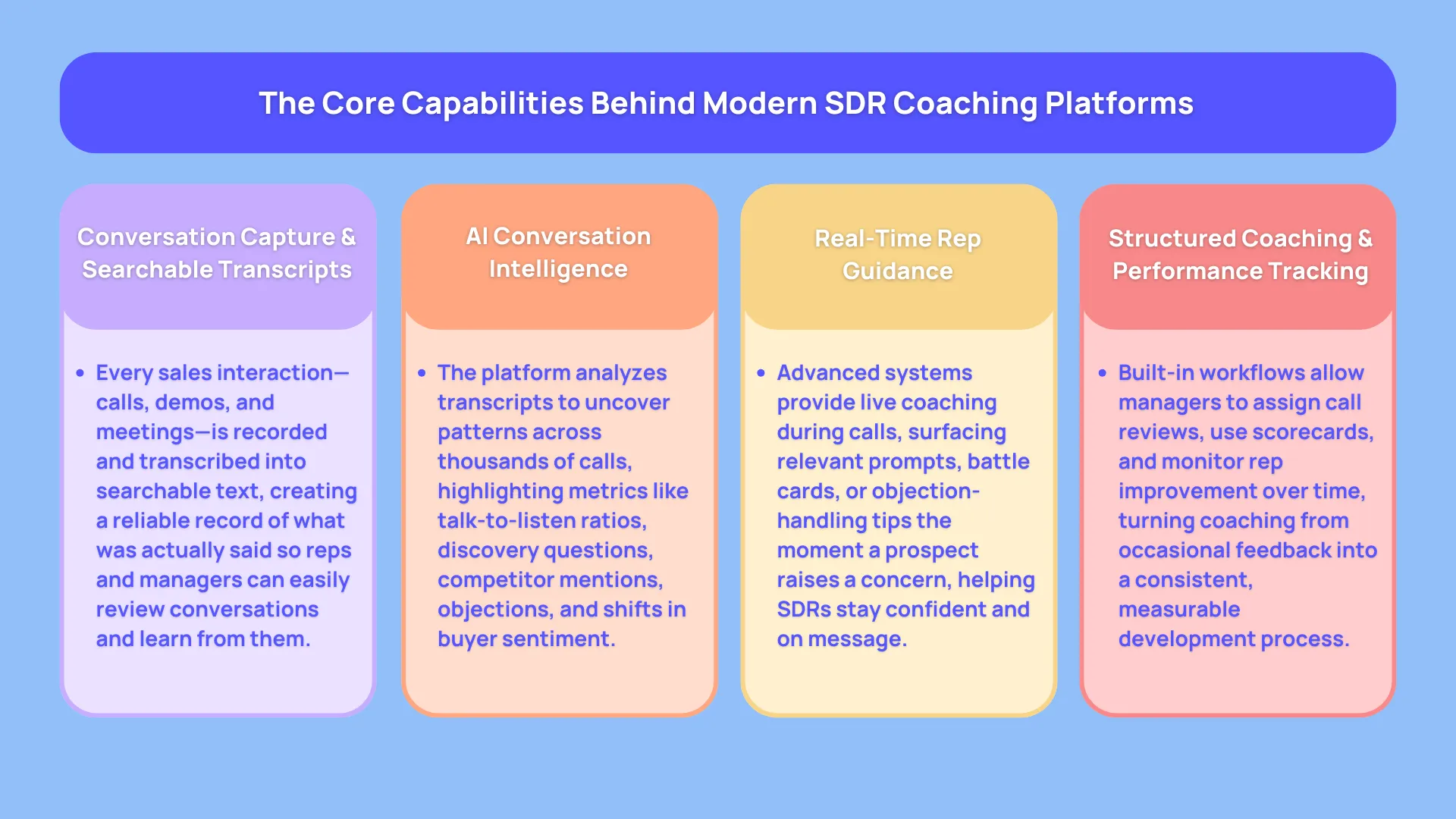
Most real-time call coaching software combines several layers of technology working together. Understanding these layers helps clarify why these platforms have become essential for high performing outbound teams.
Conversation capture and transcription
Every call, video meeting, or demo is recorded and converted into searchable text. This forms the foundation for deeper analysis because it allows the system to understand what was actually said during the conversation.
High quality call recording and analysis tools can process phone calls, Zoom meetings, Microsoft Teams calls, and even in person meeting recordings. Once captured, the conversations become searchable knowledge that managers and reps can review at any time.
Conversation intelligence and pattern detection
After transcription, AI analyzes the conversation to identify patterns across thousands of calls. This is where conversation intelligence for SDRs becomes powerful.
The system can detect things such as:
• Talk to listen ratios between the rep and the prospect
• Questions asked during discovery
• Competitor mentions and pricing discussions
• Objection patterns across different industries
• Sentiment changes that indicate buyer hesitation
Instead of guessing what works, managers can see exactly how top performers conduct successful conversations.
Real time coaching and guidance
Some advanced platforms provide real-time call coaching software that assists reps while the conversation is happening. When a prospect raises a pricing objection or mentions a competitor, the system can surface relevant talking points or battle cards instantly.
This kind of real time guidance helps newer SDRs stay on track without needing a manager listening to every call.
Structured coaching workflows
Good sales call training software also organizes coaching sessions themselves. Managers can assign call reviews, create performance scorecards, and track improvement over time.
Rather than random feedback sessions, the coaching process becomes measurable and repeatable.
Why Sales Development Teams Need Dedicated Coaching Tools
Outbound teams operate in an environment where performance differences between reps can be dramatic.
Two SDRs might make the same number of calls and follow the same sequences, yet one consistently books meetings while the other struggles.
The difference usually comes down to conversation quality.
Without call analytics and performance coaching tools, managers have limited visibility into those differences. CRM data shows activity numbers but rarely reveals how effectively reps communicate with prospects.
Dedicated SDR training tools close that gap. They connect the dots between what happens during calls and the results that appear in the pipeline.
Several benefits tend to appear quickly after adoption.
Faster ramp time for new SDRs
New hires can listen to successful conversations from top performers, review annotated call recordings, and practice with guided feedback. This shortens the time required to reach full productivity.
More consistent messaging across the team
When every call is analyzed, managers can see how messaging varies across reps. Coaching can then focus on aligning everyone around the same discovery questions, positioning, and objection handling strategies.
Objective coaching instead of subjective feedback
Managers no longer rely solely on intuition. Data shows which behaviors correlate with successful outcomes, turning coaching conversations into concrete improvement plans.
Continuous improvement at scale
As the system analyzes more calls, patterns become clearer. Teams gradually build a library of best practices based on real conversations rather than theoretical sales frameworks.
Where Does Conversation Intelligence Fit in the Modern Sales Stack?

The rise of conversation intelligence for SDRs reflects a broader shift in sales technology. Traditional CRM systems track deals and activities, while sales engagement platforms manage sequences and outreach.
Call coaching platforms add a new layer that focuses on conversation quality.
Think of it like this.
CRM answers the question, “What deals exist in the pipeline?”
Sales engagement answers, “How are reps reaching prospects?”
Conversation intelligence answers, “What actually happens when prospects respond?”
That last question has historically been the hardest for managers to answer. Modern call coaching software for sales development reps finally provides visibility into those interactions.
Once that visibility exists, coaching becomes far more effective. Managers can see exactly where reps struggle and provide targeted feedback that improves real conversations with buyers.
Top Call Coaching Software for Sales Development Reps (2026)
Sales coaching technology has evolved rapidly over the past few years. Early tools focused mainly on call recording and transcription, giving managers a way to listen back to conversations after the fact. Modern platforms go much further.
Today’s leading call coaching software for sales development reps combines conversation intelligence, AI driven call analytics, performance coaching workflows, and sometimes even live guidance during calls. The goal is simple. Help SDRs improve conversations faster and give managers the data they need to coach effectively.
The platforms below represent the strongest options in 2026 across different team sizes and use cases.
1. Gong

Best for: Mid market and enterprise teams that want the deepest conversation intelligence and deal level insights.
Gong has become synonymous with conversation intelligence for SDRs. The platform analyzes thousands of customer interactions and surfaces patterns that help teams understand what actually drives deals forward.
Instead of looking at individual calls in isolation, Gong connects conversations to pipeline performance. Managers can see which discovery questions appear most often in closed won deals, how top performers structure their calls, and where prospects typically raise objections.
This ability to connect call analytics with revenue outcomes is why many large sales organizations rely on Gong as the central intelligence layer of their sales stack.
Key capabilities
• Real time transcription and analysis across calls, meetings, and emails
• AI powered conversation insights including talk ratios and sentiment shifts
• Deal boards that surface pipeline risk signals from conversation data
• Coaching scorecards that benchmark reps against top performers
• Forecasting tools powered by conversation level insights
Gong’s analytics depth is difficult to match. Hundreds of signals are analyzed across every conversation, giving managers detailed insight into sales behavior across the entire organization.
Pricing
Gong typically charges a platform fee ranging from $5,000 to $50,000 per year, plus around $1,600 per user annually. Larger deployments often see the per user cost drop slightly. Add ons such as Gong Forecast and Gong Engage increase the total contract value.
For a 50 person sales team, annual contracts often land between $85,000 and $130,000 according to Vendr and other buyer reports.
G2 rating
4.8 out of 5 from more than 6,400 reviews.
Tradeoffs
Gong delivers exceptional conversation intelligence and call analytics, yet the price point places it firmly in the enterprise category. Smaller teams sometimes struggle to justify the platform fee if they only have a handful of SDRs.
The platform also focuses heavily on conversation analysis. Organizations that rely primarily on email outreach may not capture the full value.
Integrations
Salesforce, HubSpot, Microsoft Dynamics, Outreach, Salesloft, Slack, Zoom, Microsoft Teams, and many other sales stack tools.
2. Trellus - Overall Best Real Time Sales Coaching Software For SDRs, BDRs and AEs
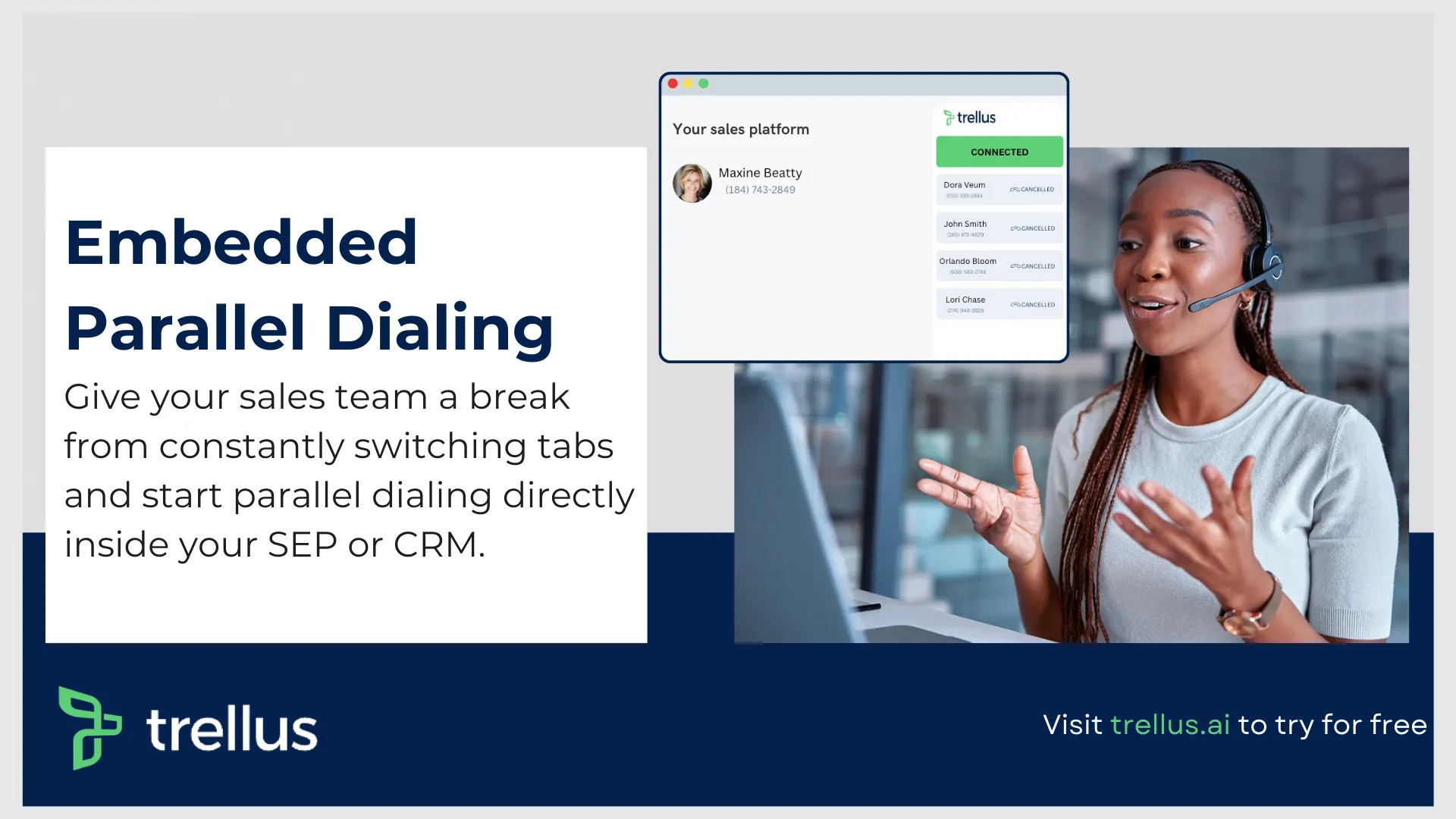
Best for: SDR teams that want real time call coaching software directly inside their dialing workflow.
Trellus approaches coaching from a slightly different angle than traditional conversation intelligence platforms. Instead of analyzing calls only after they happen, the platform emphasizes live guidance and immediate feedback during outbound calling sessions.
For sales development teams that spend hours dialing every day, that real time support can dramatically improve performance. Reps receive contextual prompts, coaching suggestions, and objection handling guidance while they are actually speaking with prospects.
Another advantage is how closely the platform connects with outbound workflows. SDRs do not have to jump between multiple tools to access coaching insights. The guidance appears directly within the calling environment.
Key capabilities
• Live call guidance and coaching prompts during conversations
• AI driven conversation insights that highlight improvement areas
• Integrated dialer environment designed for high volume SDR workflows
• Post call analysis that identifies objection handling patterns
• Manager dashboards that track rep improvement over time
The platform works particularly well for teams that want real time call quality improvement rather than only historical call analysis.
Many outbound teams appreciate that coaching feedback appears immediately, allowing reps to adjust messaging on their next call instead of waiting for a weekly coaching session.
Pricing
Pricing varies depending on seat count and feature configuration, though it generally lands well below enterprise conversation intelligence platforms.
This makes it accessible for growing SDR teams that still want strong SDR call coaching tools without enterprise level contracts.
Tradeoffs
Compared with deep conversation analytics platforms like Gong, the historical data analysis layer is lighter. Organizations that want extensive pipeline level conversation intelligence may still rely on a dedicated analytics platform.
However, teams focused on real time guidance and outbound call performance often find the platform extremely effective.
3. Mindtickle
Best for: Large organizations that need formal onboarding programs and structured skill certification.
Mindtickle focuses on sales training and readiness rather than pure conversation intelligence. The platform is designed to help companies build repeatable learning programs for their sales teams.
Instead of analyzing live calls as the primary function, Mindtickle emphasizes simulated practice environments where reps can rehearse messaging before entering real customer conversations.
This makes it particularly useful for organizations with complex products or strict compliance requirements.
Key capabilities
• AI powered role play simulations for practice conversations
• Structured learning paths for onboarding and skill development
• Certification programs that measure rep readiness
• Performance dashboards tracking training progress
These features make Mindtickle a strong SDR training tool for organizations that want consistent skill development across large teams.
Managers can measure how well reps understand messaging, positioning, and objection handling before those skills are tested in real calls.
Tradeoff
While the platform excels at structured learning, it provides less real time call coaching software functionality compared with conversation intelligence platforms. Teams looking primarily for live call analysis may prefer tools designed specifically for that purpose.
4. Talkdesk
Best for: Organizations that combine customer support and sales operations inside a unified contact center environment.
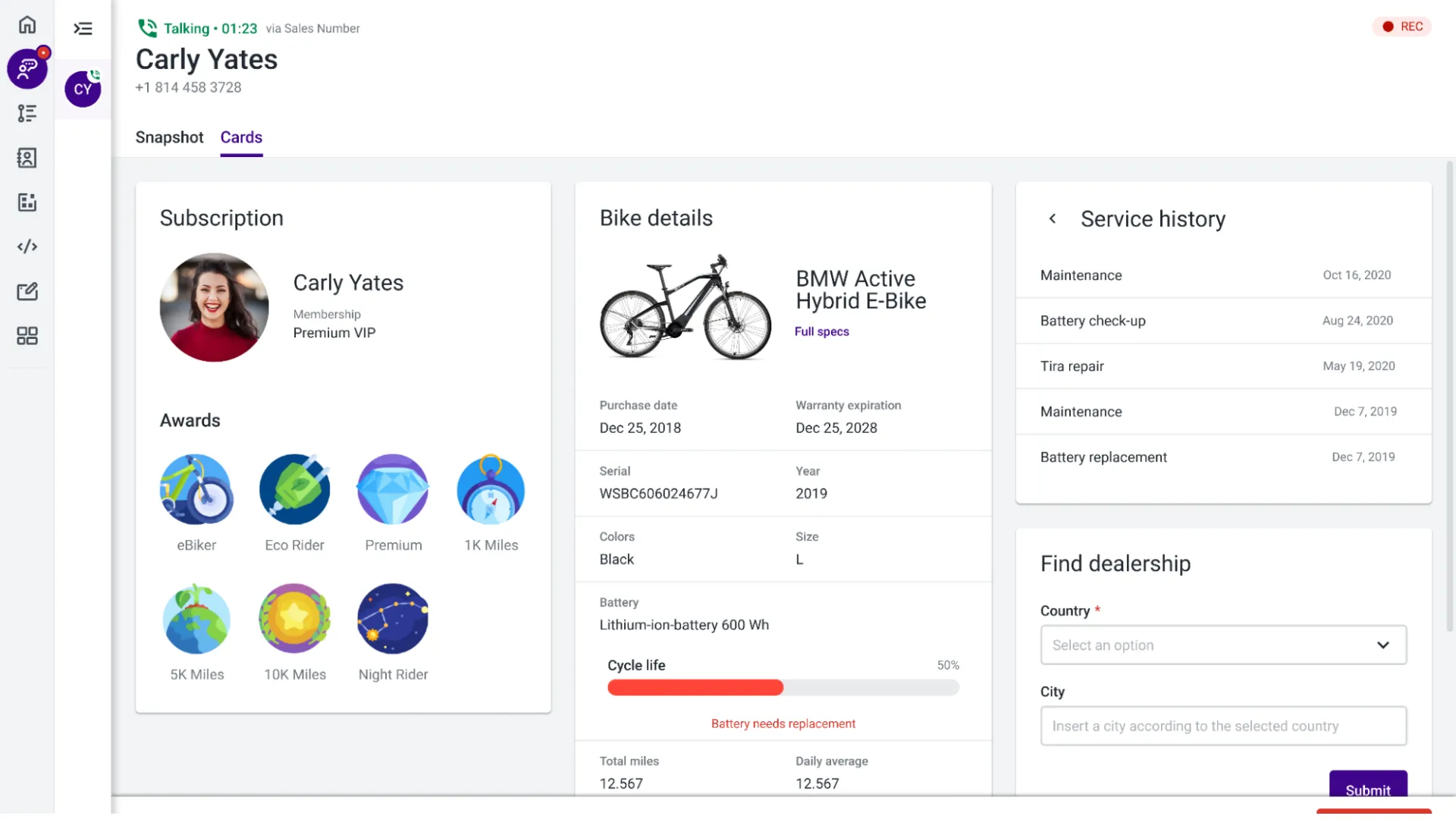
Talkdesk began as a contact center platform, yet its call recording and analytics capabilities can also support coaching conversations for sales teams.
The platform captures voice interactions across support and sales environments, allowing managers to review calls and monitor quality metrics.
This makes Talkdesk useful for organizations where SDRs operate within a broader contact center infrastructure.
Key differentiators
• Call monitoring and recording across inbound and outbound channels
• Intelligent call routing and queue management
• Contact center level analytics and reporting
• Integration with CRM platforms for activity tracking
The platform provides solid call recording and analysis tools, though its primary focus remains contact center management rather than dedicated sales coaching.
Best fit
Companies that want a unified platform supporting both sales development and customer support operations.
5. CloudTalk
CloudTalk is a cloud based phone system designed for modern sales and support teams. While it does not position itself strictly as call coaching software, its analytics and call recording features still provide useful insights for coaching discussions.
Managers can review call recordings, monitor activity levels, and analyze conversation metrics across the team.
For smaller sales teams that mainly need visibility into conversations rather than advanced coaching workflows, CloudTalk offers a practical starting point.
Key differentiators
• Automatic call recording and searchable call history
• Call analytics dashboards showing activity and performance
• CRM integrations with tools such as Salesforce and HubSpot
• Cloud based telephony infrastructure for remote teams
The platform provides solid call recording and analysis tools, though structured coaching workflows are lighter compared with specialized SDR coaching platforms.
Best for
Small to mid size teams that want reliable telephony with basic coaching insights.
6. Orum
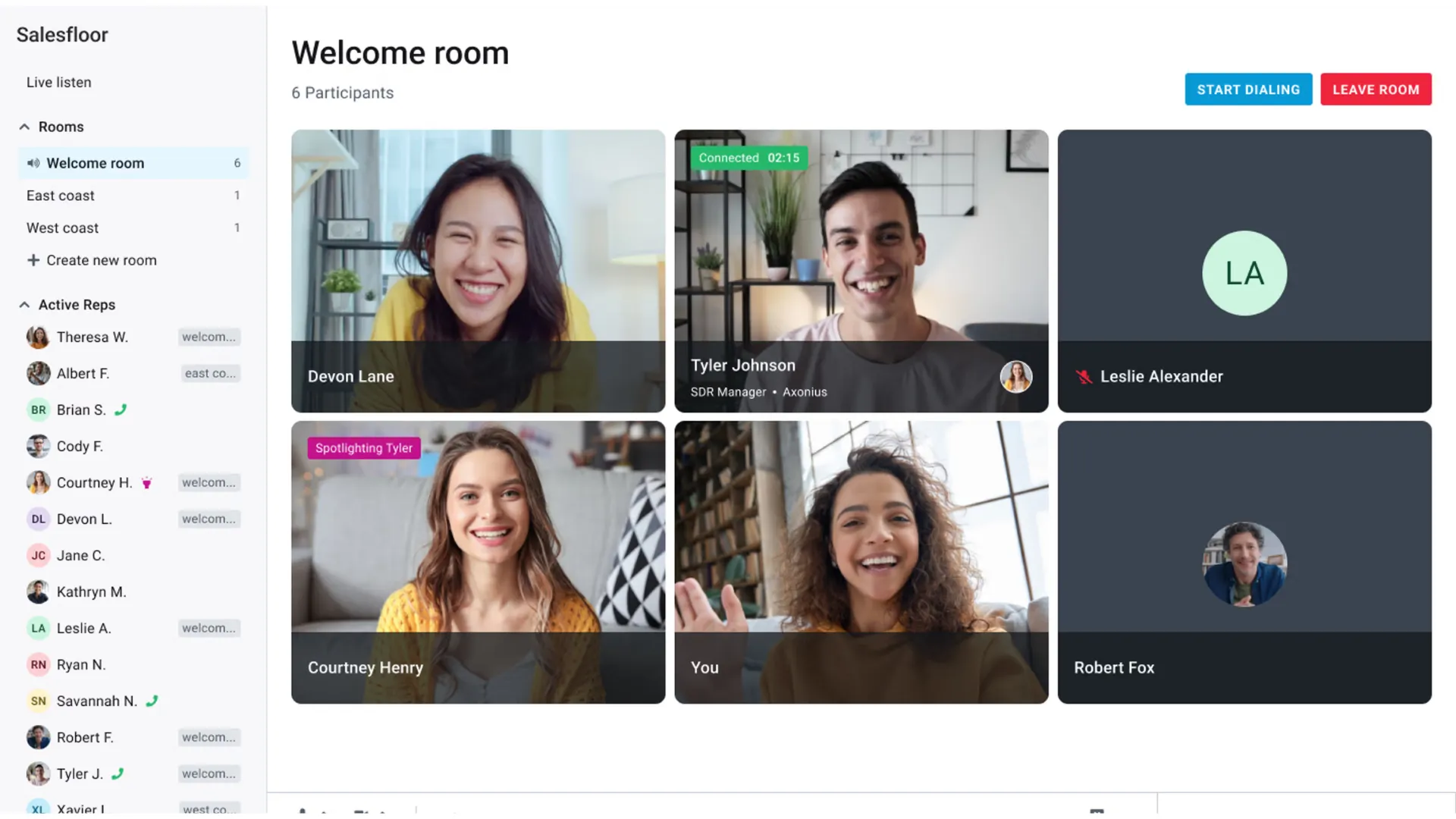
Orum focuses heavily on outbound call productivity. The platform is best known for its parallel dialing technology, which helps SDRs reach more prospects in less time.
While the core value lies in connection rates and dialing efficiency, Orum has gradually introduced analytics that can support coaching discussions.
Managers can monitor call outcomes, connection rates, and activity metrics across the team.
Key differentiators
• Parallel dialing technology designed for outbound teams
• Automatic detection of live call connections
• Activity dashboards showing dialing performance
• Workflow tools for high volume calling sessions
These features make Orum a strong tool for teams that prioritize volume and speed in their outbound strategy.
Best for
SDR teams focused on maximizing conversations per hour rather than deep conversation intelligence.
7. Koncert
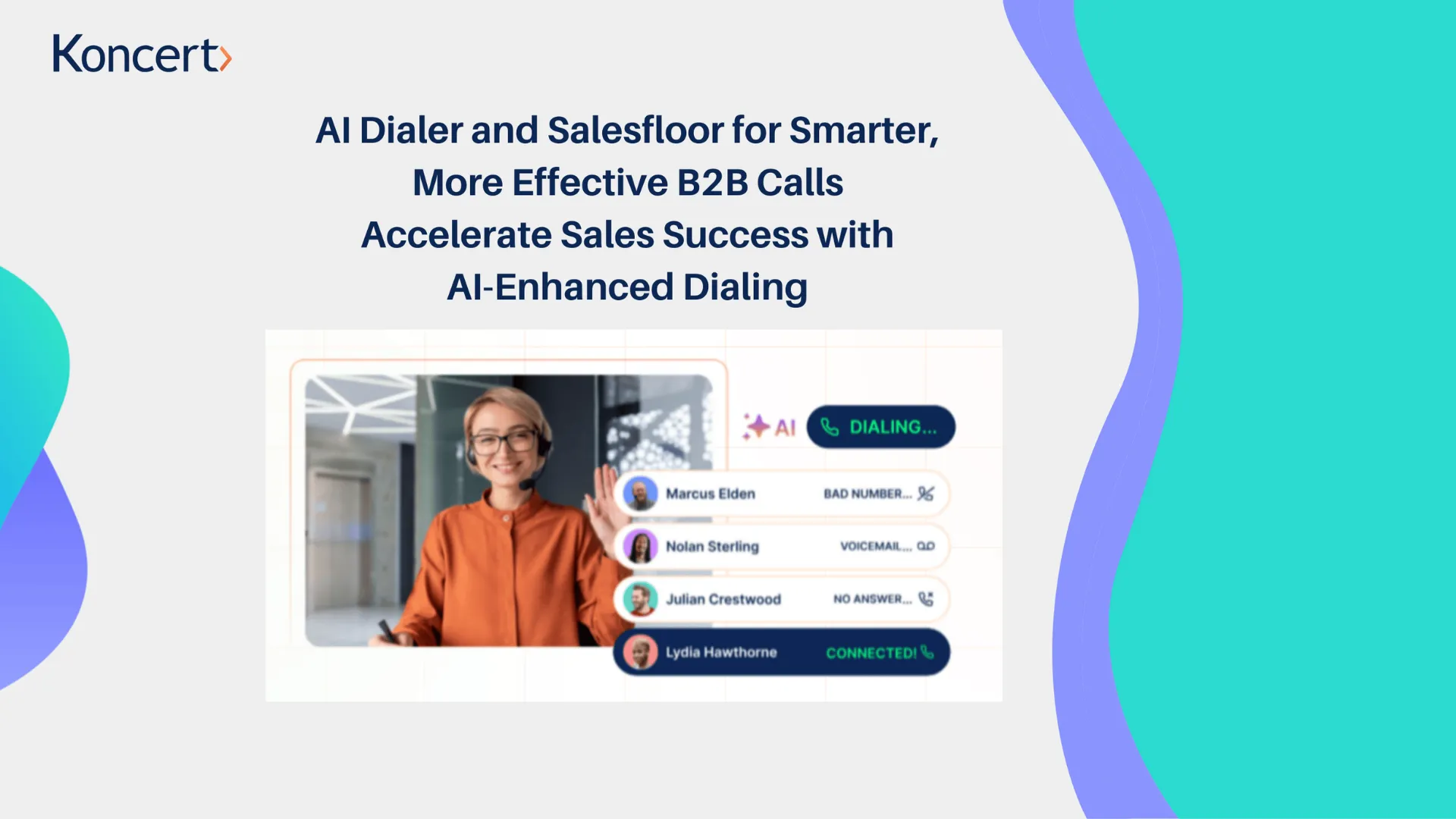
Koncert provides dialing automation and structured calling workflows designed for outbound sales teams. The platform emphasizes operational efficiency and campaign management rather than advanced sales coaching software capabilities.
Managers can still review call outcomes and activity reports, which can inform coaching sessions. However, the analytics focus is primarily on productivity metrics.
Key differentiators
• Sequence driven calling workflows
• Campaign management for outbound programs
• Activity reporting and performance dashboards
Koncert works best for teams that already have established coaching frameworks but want stronger dialing infrastructure to support their outreach efforts.
8. Clari Copilot
Best for: Revenue operations teams that want conversation intelligence tightly connected to pipeline forecasting and revenue visibility.
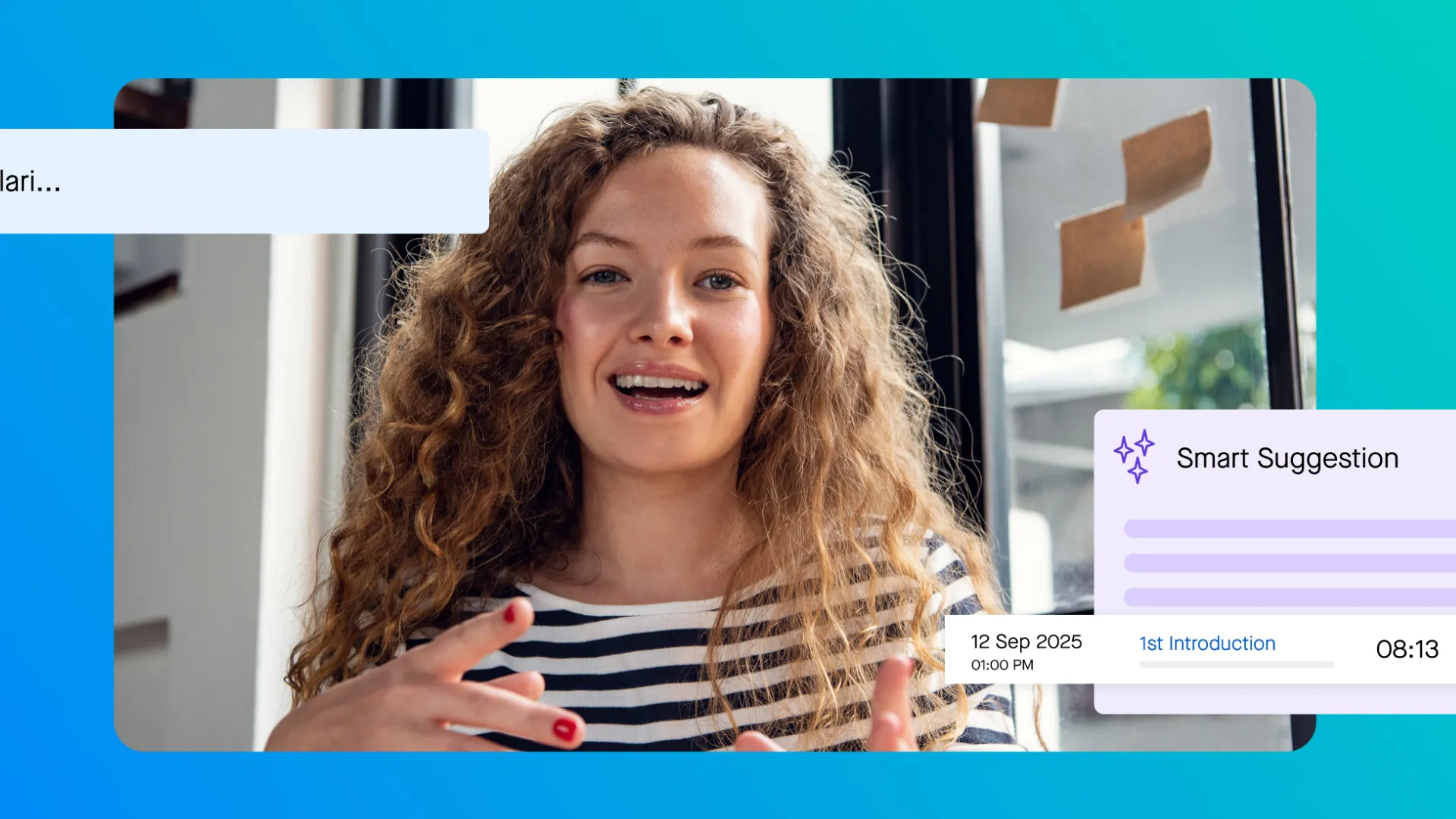
Clari Copilot, previously known as Wingman, sits inside the broader Clari revenue platform. Instead of operating as a standalone call coaching software, it connects conversation insights directly with pipeline forecasting and deal management.
This approach appeals strongly to RevOps leaders because it connects three important pieces of the revenue puzzle. What reps say on calls, how deals progress in the pipeline, and how leadership forecasts revenue outcomes.
When a call contains buying signals, competitor mentions, or pricing discussions, those insights feed directly into Clari’s forecasting engine. Managers can see how conversation quality affects pipeline health in real time.
For organizations already invested in Clari’s revenue platform, Copilot becomes a natural extension of the stack.
Key capabilities
• Real time transcription and conversation intelligence for SDRs during sales calls
• AI generated call summaries and automatic CRM updates
• Live battle cards that appear when competitors or objections come up
• Coaching alerts highlighting moments managers should review
• Integration with Clari’s forecasting engine to connect call insights with revenue outcomes
These features give sales leaders a clearer understanding of how conversations influence deal progression.
Instead of reviewing calls in isolation, managers can connect call analytics with pipeline forecasting, which makes coaching conversations far more strategic.
Pricing
Copilot typically ranges from around $60 to $110 per user each month when purchased alongside Clari’s core revenue platform. Standalone deployments usually start around $1,080 per user annually.
A 50 user deployment that includes forecasting tools and Copilot often lands near $70,000 to $75,000 per year according to several pricing breakdowns.
Tradeoffs
Copilot performs best inside the larger Clari ecosystem. Teams using it without the broader platform still benefit from call recording and analysis tools, though the forecasting connection becomes less impactful.
When evaluated purely as real-time call coaching software, some buyers still consider Gong slightly stronger in deep conversation analytics.
9. Salesloft Conversations
.webp)
Best for: Sales teams already running their outbound programs inside Salesloft and wanting call coaching capabilities without adding another vendor.
Salesloft Conversations brings conversation intelligence and call recording directly into the Salesloft engagement platform. Since reps already run sequences, cadences, and outreach from the same environment, every conversation automatically becomes part of the coaching dataset.
Managers can review calls, analyze talk ratios, and identify objection patterns without moving data between multiple systems.
This unified workflow simplifies coaching because the entire outbound process exists in one place.
Key capabilities
• Automatic call recording and transcription within the Salesloft platform
• AI analysis that highlights objection handling and buyer hesitation
• Coaching dashboards that track conversation performance
• Integration with sales sequences and outreach workflows
• Manager tools for reviewing and sharing key call moments
These capabilities make Salesloft Conversations a practical SDR call coaching tool for teams already using Salesloft for engagement.
Managers gain access to call analytics and performance coaching insights without introducing another piece of software into the stack.
Pricing
Conversation intelligence features are included in the Salesloft Premier plan. While official per seat pricing is not publicly listed, industry reports estimate contracts around $100 to $150 per user each month for the full Salesloft platform.
G2 rating
4.5 out of 5 across more than 4,000 reviews for the overall platform.
Tradeoffs
Salesloft’s conversation intelligence is effective, yet it does not match the depth of dedicated call coaching software for sales development reps such as Gong.
Teams primarily searching for advanced conversation analytics may still prefer a specialized platform. On the other hand, organizations prioritizing operational simplicity often appreciate having outreach, call recording, and coaching insights all inside one system.
Which Category Do You Need To Get Started?
Many buyers searching for SDR call coaching tools accidentally mix together several different categories of sales technology. The result is confusion during the buying process and sometimes the wrong tool for the team’s actual problem.
Understanding the difference between conversation intelligence platforms and sales readiness tools can prevent that mistake.
Conversation Intelligence Platforms
Platforms in this category analyze real customer conversations and convert them into coaching insights. They focus on helping managers understand how reps communicate with prospects.
These tools usually include features such as call recording, conversation intelligence, call analytics, and real-time guidance.
Typical use cases include:
• Managers lacking visibility into what happens during calls
• Inconsistent messaging across SDR teams
• Difficulty identifying why deals stall during early conversations
• Coaching conversations based on subjective opinions rather than data
Examples include Gong, Trellus, Clari Copilot, Salesloft Conversations, and several other platforms built around conversation intelligence for SDRs.