Our Top Picks


Finding the right accounts at the right time remains one of the hardest problems for modern sales teams.
For startups and lean SDR teams, this challenge is even sharper. Limited budgets, small headcounts, and pressure to prove pipeline fast mean manual prospecting simply does not scale.
That is where modern sdr lead generation platforms step in. These tools replace hours of manual research with automated discovery, enrichment, intent tracking, and outreach orchestration. Instead of searching endlessly for contacts, SDRs can focus on qualification, conversations, and revenue impact.
In 2025, the best software tools for SDR lead generation are no longer built only for large enterprises. The market has shifted toward lightweight prospecting automation stacks, startup friendly outbound automation, and low cost sales activation tools that help small teams punch above their weight.
Before breaking down specific platforms, it is important to understand why manual prospecting collapses under pressure and how modern systems fix those gaps.
Why Manual Prospecting Breaks Down for SDR Teams

Manual prospecting looks manageable at very small scale. An SDR opens LinkedIn, searches job titles, copies company names, hunts for emails, and sends a few cold messages. This process feels controlled at first, but it quickly becomes chaotic once volume expectations rise.
The biggest problem is time leakage. SDRs spend more time collecting data than speaking with prospects. Searching, copying, validating, and updating records drains hours every week. That time loss directly reduces pipeline creation.
Another issue is data decay. Contact information goes stale faster than most teams realize. People change roles, companies adopt new tools, funding events happen, and intent signals fade. Without automated enrichment, outreach hits the wrong inbox or misses the right timing window entirely.
Follow up discipline also collapses without automation. SDRs forget touches, over email some leads, and ignore others unintentionally. This creates uneven buyer experiences and inconsistent results across the team.
Finally, manual workflows offer no feedback loop. There is no clear visibility into which messages convert, which segments respond, or which channels actually drive meetings. Without performance signals, SDR managers are forced to guess.
To eliminate this guesswork and establish a strong feedback loop, high-performing teams rely on an sdr dashboard in 2026. By centralizing engagement metrics and outcome data, managers can quickly spot trends and adjust their outreach strategies in real time.
Complementing dashboard insights with hands-on skill development, leading SDR teams deploy sales role play tools to close performance gaps identified in their data.
Investing in comprehensive SDR training programs can equip your team with the skills needed to excel in a competitive sales environment.
By practicing specific objection scenarios tied to their actual prospect profiles, reps translate analytics insights into improved real-world conversion rates.
This combination is why early stage teams increasingly move toward SDR centric outreach infrastructure and lean acquisition technology instead of scaling headcount.
What B2B Lead Generation Software Actually Does
B2B lead generation software exists to remove friction from every stage of the prospecting lifecycle. Instead of acting as a single point solution, strong platforms operate as SDR managed enrichment pipelines that connect discovery, qualification, outreach, and measurement into one flow.
At its core, this software helps teams identify accounts that match their ideal customer profile, enrich those accounts with accurate data, and activate outreach at the right moment.
The most effective platforms in 2025 focus on lead capture acceleration tools and intent trigger discovery systems. These systems do not rely only on static databases. They surface prospects based on hiring signals, funding activity, tech adoption, content engagement, and buying intent patterns.
This is what allows SDRs to work smarter rather than harder, increasing output without increasing headcount.
Core Functions of Modern SDR Lead Generation Platforms
Modern platforms are built around three foundational capabilities. Each one plays a critical role in how SDRs qualify leads effectively using CRM tools and automation layers.
Prospecting and Data Enrichment
Prospecting tools handle the heavy lifting of account and contact discovery. Instead of manual searches, SDRs apply filters around company size, industry, location, tech stack, funding stage, and role seniority.
Enrichment layers then fill in missing details automatically. Emails, phone numbers, firmographics, technographics, and recent company activity are appended to records in real time. This keeps CRM data fresh and usable.
High quality enrichment also enables pipeline densification mechanisms. SDRs can uncover multiple stakeholders within the same account and run multi thread outreach instead of single contact guessing.
After this context, the key enrichment capabilities usually include
• Contact discovery aligned to ICP criteria
• Real time email and phone verification
• Company level signals such as funding or hiring
• Technology usage tracking for better relevance
Outreach and Engagement Automation
Once leads exist, engagement becomes the bottleneck. Outreach automation solves this by coordinating email, LinkedIn, calls, and follow ups in a single workflow.
Instead of one off messages, SDRs deploy sequences that adapt based on prospect behavior. Opens, replies, clicks, and silence all trigger different paths. This is how startup outbound operations frameworks maintain consistency without manual effort.
Good platforms also support personalization at scale. SDRs can tailor messaging using company data, role context, and intent signals without writing every message from scratch.
Key engagement capabilities usually include
• Multi channel sequencing across email, LinkedIn, and calls
• Behavioral triggers that adapt follow up timing
• Personalization variables tied to enrichment data
• Deliverability controls to protect sender reputation
Lead Qualification and Scoring
Not every lead deserves equal attention. Qualification systems help SDRs focus on accounts most likely to convert.
Lead scoring models combine fit and intent. Fit evaluates how closely a lead matches the ideal profile. Intent measures buying signals such as site visits, content engagement, or tool adoption changes.
This is where high volume lead qualification bots and simplified SDR enrichment tools shine. They surface priority leads automatically and route them into active SDR workflows.
Strong qualification systems typically support
• Behavioral scoring based on engagement activity
• Fit scoring based on firmographic data
• Automated routing to SDR pipelines
• CRM syncing for full funnel visibility
Types of SDR Lead Generation Tools and How They Fit Real SDR Workflows
Not all platforms support SDR teams in the same way. Some focus on discovery, others on engagement, and some act as connective tissue across the entire outbound motion. Understanding these categories helps small teams assemble startup friendly outbound automation without overspending or overcomplicating operations.
Instead of chasing all in one promises, high performing teams assemble lightweight prospecting automation stacks that match how SDRs actually work day to day.
Sales Engagement Platforms and SDR Engagement Workflow Builders
Once contacts exist, engagement determines success. Sales engagement platforms exist to orchestrate touchpoints across channels while maintaining consistency and discipline.
For SDR teams, these platforms become daily operating systems. Every call, email, LinkedIn action, and follow up lives inside one structured flow. This eliminates guesswork and reduces mental load.
The strongest engagement platforms are SDR focused workflow accelerators. They guide reps on what to do next, when to do it, and how to adjust based on engagement signals.
These systems are critical for teams asking how to automate lead generation for SDR teams without hiring more reps.
Typical strengths in this category include
• Sequenced outreach across email, LinkedIn, calls, and SMS
• Automated follow up logic based on engagement
• Performance analytics tied to individual SDR output
• Deliverability protection and domain health monitoring
When paired with strong data sources, these tools become scalable lead capture mechanisms that increase output without increasing headcount.
Inbound Lead Capture and Pipeline Creation Platforms
Inbound tools play a different role. Instead of searching for prospects, they capture demand already in motion. For SDR teams, inbound tools act as early stage market penetration tools and pipeline densification mechanisms.
Website visitors, demo requests, chat conversations, and content downloads all generate signals. The faster these signals reach SDRs, the higher the conversion rate.
For small teams, inbound tools also serve as low budget outbound data engines. A single high intent inbound lead can spark multi thread outbound within the same account.
Core capabilities in this category include
• Website forms and conversion tracking
• Live chat and conversational bots
• Lead routing into SDR pipelines
• Engagement history synced to CRM
This category supports questions like what low cost platforms support scalable lead capture for small SDR teams and how micro teams build outbound workflows with minimal software spend.
How Small SDR Teams Should Choose the Right Tool Stack
Choosing tools without a clear framework often leads to wasted spend and underutilized software. The goal is not feature breadth. The goal is momentum, clarity, and repeatability.
For early stage teams, the best approach is aligning tools to workflow stages rather than buying everything at once.
Clarifying the SDR Lead Generation Strategy
Before tools enter the picture, teams need clarity on motion. Outbound focused teams require strong contact discovery and engagement layers. Inbound heavy teams require capture and qualification speed. Hybrid teams need systems that connect both flows cleanly.
This decision directly impacts how to integrate lead generation tools with existing sales platforms and how SDRs qualify leads effectively using CRM tools.
Key strategic questions include
• Is pipeline primarily outbound or inbound assisted
• How many SDRs are active today versus planned
• What signals matter most for qualification
• How fast leads must move from signal to outreach
Matching Tools to Team Size and Maturity
Tooling must match reality. Solo founders and micro teams benefit from simplified SDR enrichment tools and lightweight lead qualification systems. Mid sized SDR teams need collaboration features and performance visibility. Larger teams require governance and advanced routing.
Mismatch creates friction and slows execution.
General alignment patterns include
• Small teams favor low cost pipeline creation platforms with fast setup
• Growing teams need SDR scalability enablers and workflow standardization
• Mature teams benefit from advanced reporting and integration depth
Trellus.ai — SDR-Centric Real-Time Call Coaching and Intelligent Outbound Execution
When most people think of SDR lead generation solutions, they picture contact databases and sequence tools.
Trellus.ai flips that expectation. It is one of the few platforms built specifically to accelerate high-impact outbound calling and real-time SDR engagement workflows in ways that dramatically improve performance on the phone and in live outreach.
Instead of acting as a traditional lead database or a simple engagement tool, Trellus functions as an AI-powered sales assistant and real-time coach designed for SDRs who make calls frequently and need live support to convert those outreach moments into pipeline.
What Makes Trellus.ai Unique for SDR Lead Generation
Trellus sits at the intersection of call automation, conversation intelligence, and skill augmentation. It enhances the SDR workflow in ways few other tools do:
Real-Time AI Call Coaching
As SDRs speak with prospects, Trellus listens and delivers contextual guidance at the moment it matters. It suggests next steps, handles common objections, cues the rep on when to ask discovery questions, and flags pacing or engagement signals that require intervention. This turns calls that would otherwise be guesswork into structured, coach-assisted interactions.
Parallel and Embedded Dialer Functionality
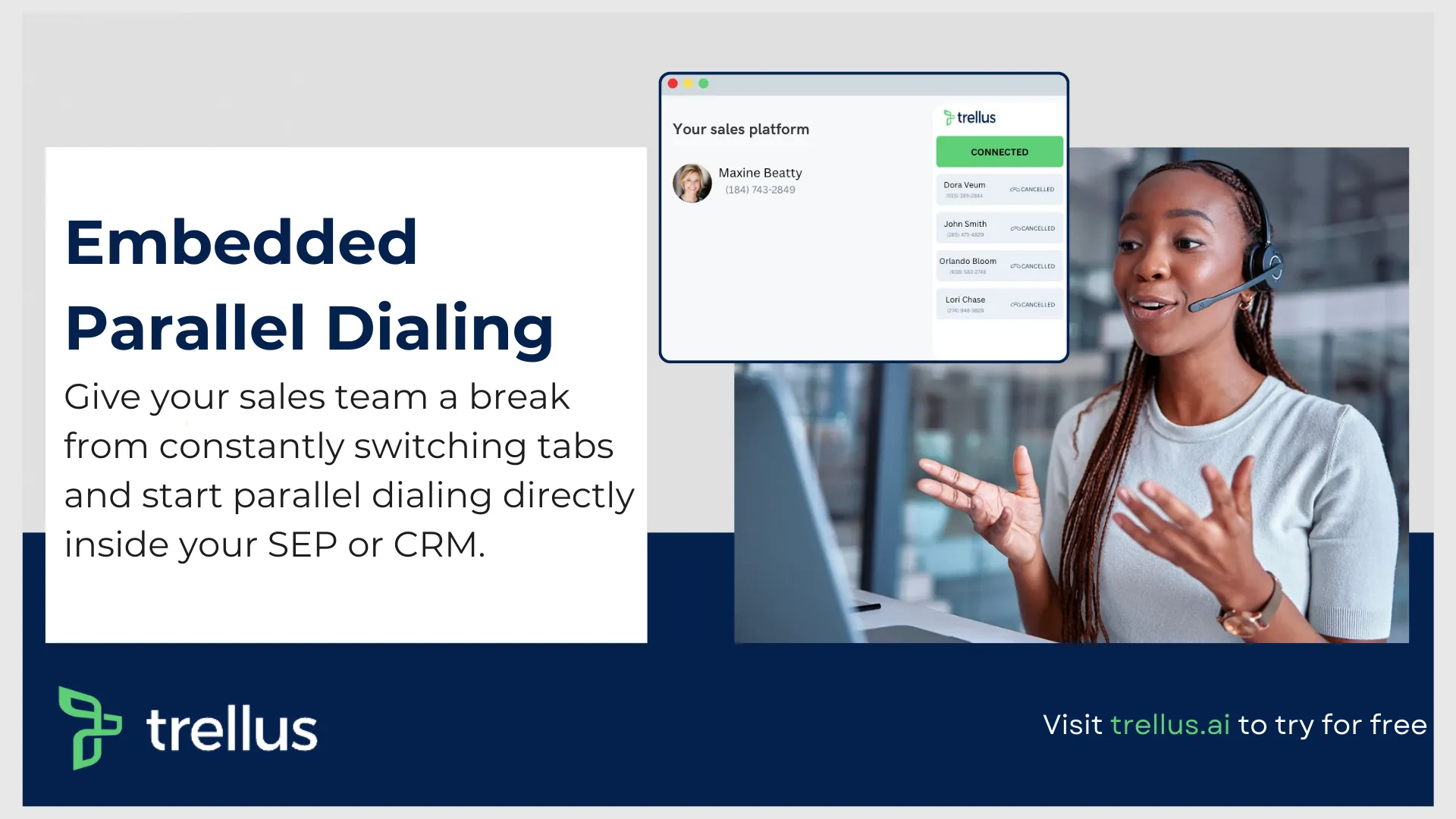
Instead of waiting between individual calls, SDRs using Trellus can dial multiple prospects in parallel based on the AI’s readiness logic. This increases live conversations per hour, creating a pipeline densification mechanism especially relevant for phone-heavy outbound motion.
CRM and Sales Stack Integration
Rather than forcing teams to adopt an entirely new interface, Trellus embeds within existing SDR ecosystems. It works inside platforms like HubSpot, Salesloft, Outreach, and Apollo, augmenting your current sales engagement platform with intelligent calling and coaching without breaking workflows.
Automated Post-Call Workflows
After every call, Trellus generates structured summaries, highlights key moments, drafts follow-up emails, and updates CRM records automatically. This eliminates administrative busywork, so SDRs spend more time qualifying leads and less time logging notes.
Conversation Analytics and Insights
Beyond individual calls, the platform provides team-level dashboards capturing metrics such as talk-to-listen ratios, objection frequency, connect rates, and script effectiveness. These insights help managers refine SDR training and standardize best practices across the team.
Adopting proven SDR best practices can significantly improve the efficiency and effectiveness of your sales development team.
Why Trellus.ai Matters for SDR-Centric Outreach
When small SDR teams think about how to automate lead generation without expensive tools, they often focus on emails and contact discovery. Trellus shifts that focus to conversation quality and execution velocity.
In lean outbound environments, every interaction counts. SDRs can have access to the same number of leads as any other platform, but what separates high performers is the ability to turn connections into qualified opportunities quickly and consistently. Trellus helps teams do this through intelligent call coaching and execution acceleration.
Here’s how Trellus supports key SDR workflow priorities that directly impact pipeline results:
Boosted Outbound Throughput
Rather than waiting for manual dialing or reaching voicemail after voicemail, SDRs using a parallel dialer get into live conversations faster—a direct booster for what many SDR teams measure as meetings booked per hour.
Elevated Call Quality
Real-time prompts help reps stay on script, uncover pain points, and handle objections in a more structured way. This reduces hang-ups and increases the likelihood of securing next steps.
Admin Overhead Reduction
The automatic creation of notes, summaries, and follow-ups cuts the tedious tasks that often slow SDRs down after busy calling sessions.
Coaching at Scale
Small teams often cannot afford dedicated sales coaches. Trellus acts as an always-on mentor, guiding SDRs through calls and providing feedback loops that improve performance over time.
Ideal Use Cases for Trellus.ai
Trellus is particularly strong for teams and scenarios where:
Outbound calling is a primary pipeline creation channel
This includes SDR teams managing cold outreach, BDR groups focused on phone-centric workflows, or inside sales teams responsible for early qualification.
Managers want data-driven coaching without big operations overhead
Conversation analytics and coaching insights help leaders spot skill gaps and optimize messaging without exhaustive manual reviews.
Existing engagement stacks need smarter dialing and guidance
Rather than replacing CRM or engagement platforms, Trellus enhances them with AI assistance and real-time coaching intelligence.
Core Capabilities That Amplify SDR Lead Generation
Below are the capabilities that make Trellus stand out in the context of SDR-focused outbound prospecting and call-centric pipeline creation:
AI-Powered Call Prompts and Coaching
Helps reps adjust their conversation flow live based on prospect responses, positioning SDRs to uncover needs and schedule next steps more effectively.
Parallel Dialing for Higher Connect Rates
Supports dialing multiple numbers intelligently, increasing live conversations, and improving lead qualification velocity.
Automated CRM Updates and Follow-Up Generation
Frees SDRs from repetitive admin tasks and ensures CRM records and follow ups are consistent and timely.
Integrated Analytics That Improve Rep Performance
Offers quantitative visibility into patterns that correlate with successful conversations, enabling SDR managers to coach to outcomes rather than instincts.
Apollo.io as a Core Engine for Scalable SDR Lead Generation

After strengthening conversation quality and execution with call focused platforms, SDR teams need a reliable engine that consistently feeds the top of the funnel. This is where Apollo.io earns its place in modern SDR lead generation stacks.
Apollo.io operates as a combined contact intelligence system, outreach platform, and enrichment layer. For small and mid sized teams, it often becomes the central source of truth for outbound prospecting. Instead of stitching together multiple micro tools, Apollo allows SDRs to discover accounts, enrich contacts, sequence outreach, and measure engagement inside one environment.
For startups asking what low cost platforms support scalable lead capture for small SDR teams, Apollo often becomes the first serious answer.
Why Apollo.io Fits SDR Centric Outbound Operations
Apollo works because it aligns closely with how SDRs actually operate under pressure. Rather than overwhelming teams with complexity, it focuses on speed, coverage, and workflow clarity.
The platform supports SDR ready intent harvesting tools through filters that surface companies showing buying signals. Funding events, hiring trends, and tech adoption patterns help SDRs prioritize outreach instead of spraying generic messages.
To further enhance your outreach efforts, consider exploring strategies for multi-channel prospecting that can broaden your reach and engagement.
It also acts as a strong SDR managed enrichment pipeline. Records stay fresh without manual research, reducing bounce rates and wasted calls.
Before listing capabilities, it helps to understand the practical impact. Apollo shortens the time between strategy and execution. A new campaign can move from idea to live outreach in minutes rather than days.
Core Strengths That Drive SDR Pipeline Creation
Apollo delivers value across multiple stages of the outbound funnel. Each area supports lean acquisition technology and startup outbound operations frameworks.
Contact Discovery and Account Intelligence
Apollo provides access to a massive contact database that allows SDRs to filter deeply based on role, seniority, geography, company size, industry, and technology usage.
This level of precision helps SDRs avoid low quality outreach and focus on accounts that align with revenue goals. It also supports multi stakeholder prospecting, which is critical for pipeline densification mechanisms.
After this context, the discovery related strengths typically include
• Large scale B2B contact discovery
• Firmographic and technographic filtering
• Role and seniority targeting for outbound
• Account level intelligence for multi threading
Automated Outreach and SDR Engagement Workflow Builders
Apollo includes built in email sequencing and basic calling features that support SDR engagement workflows without requiring a separate platform at early stages.
Sequences adapt based on engagement, allowing SDRs to stay consistent while still personalizing outreach. This helps teams automate lead generation for SDR teams without sacrificing relevance.
These capabilities are especially useful for startups with limited tooling budgets that still need predictable outreach volume.
Key engagement strengths include
• Email sequencing with engagement based logic
• Task automation for SDR daily execution
• Call tracking and activity logging
• CRM syncing for outreach visibility
Enrichment and Signal Based Prioritization
Apollo continuously enriches contact and company records. This reduces manual research and supports high volume lead qualification bots and automated scoring systems.
Signals such as funding rounds and role changes act as inbound to outbound conversion triggers, allowing SDRs to reach out at moments of heightened relevance.
This capability directly supports teams asking how can startup SDRs automate intent harvesting without expensive tools.
Enrichment focused benefits include
• Automatic data refresh and verification
• Buying signal identification
• Reduced bounce rates through verified emails
• Cleaner CRM records over time
Where Apollo.io Works Best and Where It Falls Short
Apollo shines as an all around SDR lead generation engine, especially for small to mid sized teams. It is often the fastest way to move from zero outbound infrastructure to consistent pipeline creation.
However, teams with heavy calling motions often pair Apollo with platforms like Trellus to enhance live conversation execution. Apollo handles discovery and sequencing well, while call focused tools handle performance acceleration.
Apollo works best for
• Startup friendly outbound automation
• SDR teams focused on email led prospecting
• Lean teams needing one primary outbound system
• Budget conscious pipeline creation under tight spend
EngageBay as an Affordable SDR Lead Generation Solution for Startups
As teams mature, managing contacts and conversations becomes just as important as finding new leads. EngageBay enters the picture as a lightweight CRM and automation platform designed for small businesses and early stage SDR teams.
EngageBay focuses on simplicity and affordability. It bundles CRM, email marketing, automation, and pipeline tracking into one interface. This makes it appealing for teams that want structure without enterprise complexity.
For founders and SDR managers asking how do micro teams build outbound workflows with minimal software spend, EngageBay often becomes a strong contender.
Why EngageBay Appeals to Small SDR Teams
EngageBay works because it reduces tool sprawl. Instead of paying for separate CRM, email automation, and basic engagement features, teams get a consolidated environment.
This consolidation supports SDR focused workflow accelerators and simplified SDR enrichment tools that keep teams aligned.
Before listing features, the practical benefit matters most. EngageBay gives SDRs a clear place to manage leads, track conversations, and move deals forward without switching tabs constantly.
Effective outbound lead qualification is crucial for ensuring that sales teams focus their efforts on the most promising prospects.
Core Capabilities That Support SDR Lead Qualification
EngageBay emphasizes structure and follow up discipline rather than raw data volume. It pairs well with external contact discovery tools and acts as the system of record.
Its strengths generally include
• Centralized CRM and contact management
• Email automation for SDR follow ups
• Visual sales pipeline tracking
• Lead scoring based on engagement activity
This setup helps answer questions like how do SDRs qualify leads effectively using CRM tools and what simple lead qualification systems are best for early stage sales teams.
Pipedrive as a Visibility First CRM for SDR Managed Pipelines
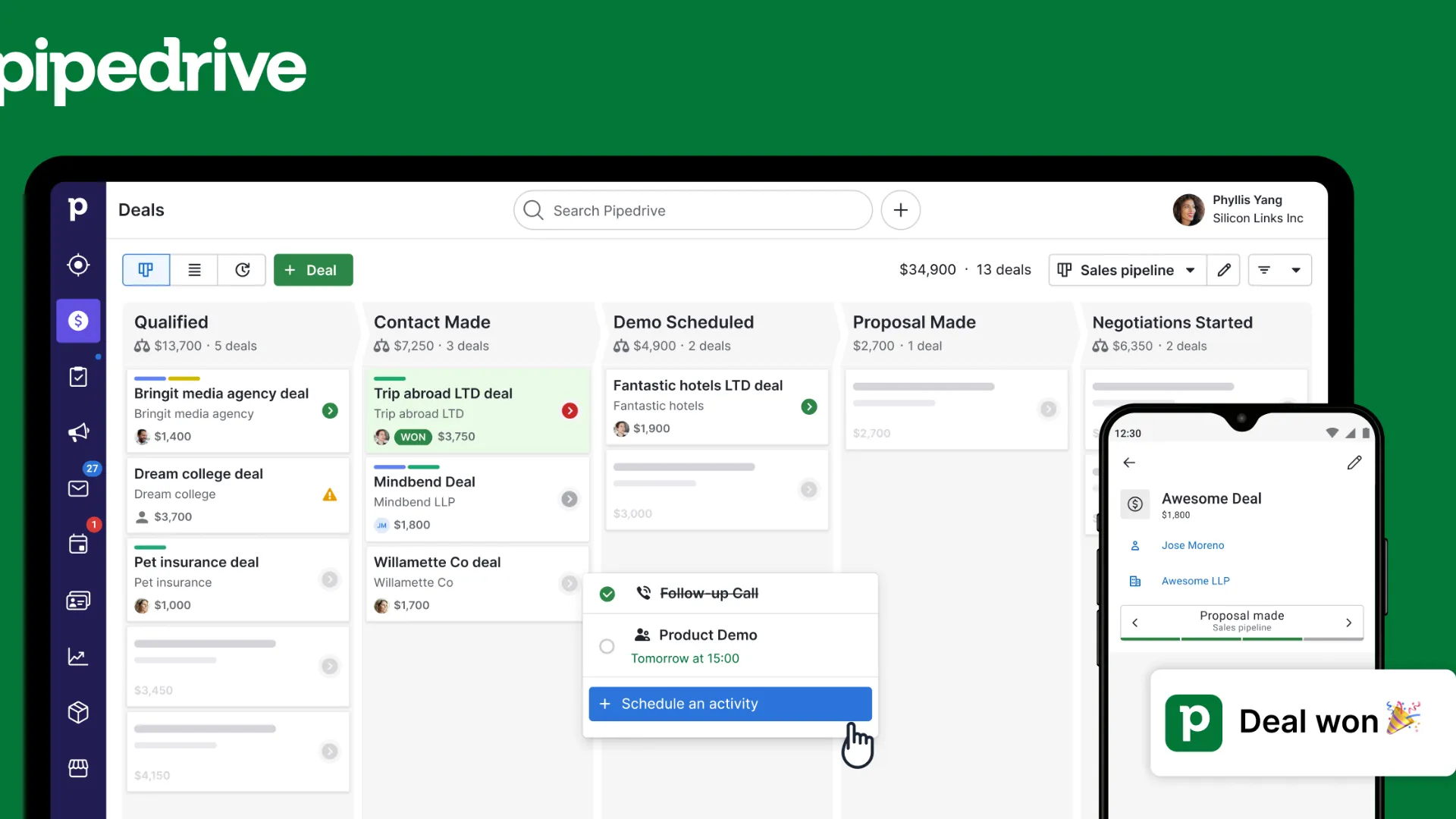
Once SDR teams generate consistent lead flow, the next bottleneck is clarity. Deals stall, follow ups slip, and pipeline confidence erodes. Pipedrive addresses this problem by making pipeline movement obvious and hard to ignore.
Pipedrive is not a contact discovery engine. Its strength sits in execution control. It gives SDRs and managers a clear view of where every lead stands and what action must happen next. This makes it a strong complement to contact discovery platforms and SDR engagement workflow builders.
For teams asking how to manage SDR lead generation pipelines without complexity, Pipedrive becomes a stabilizing layer.
Why Pipedrive Works for SDR Teams Under Pressure
SDR workflows break down when reps lose track of next actions. Pipedrive removes that ambiguity through visual structure and task driven execution.
Every deal lives inside a defined stage. Movement requires intent. Nothing hides in spreadsheets or inboxes. This structure reinforces follow up discipline and improves conversion consistency across the team.
Pipedrive also supports startup friendly outbound automation through lightweight integrations. It connects easily with email tools, calling systems, and prospecting platforms without heavy setup.
Core Strengths That Support SDR Pipeline Discipline
Pipedrive focuses on momentum rather than volume. It helps SDRs push opportunities forward instead of endlessly adding new names.
The main strengths typically include
• Visual pipeline stages that force clarity
• Activity reminders that prevent follow up leakage
• Email and call tracking tied directly to deals
• Simple reporting for conversion and velocity
This structure directly supports best practices for managing SDR lead generation pipelines and reduces reliance on manual tracking.
Where Pipedrive Fits Best in a Lean Stack
Pipedrive works best when paired with strong discovery and engagement tools. It does not replace SDR lead generation platforms. It organizes the output from them.
Ideal use cases include
• SDR teams overwhelmed by deal sprawl
• Managers needing clear pipeline forecasting
• Small teams transitioning from spreadsheets
• Outbound motions that require follow up rigor
HubSpot as an Inbound Driven SDR Enablement Platform
While outbound fuels early traction, inbound signals often indicate readiness. HubSpot plays a different role in SDR lead generation. It captures intent already in motion and routes it into SDR workflows with context attached.
HubSpot shines when teams want inbound to outbound conversion triggers without complex setup. Website visits, form fills, content downloads, and chat interactions all become qualification signals.
For SDR teams asking how to increase output without increasing headcount, inbound acceleration often delivers the highest leverage.
How HubSpot Supports SDR Qualification and Routing
HubSpot collects behavioral data and connects it to contacts automatically. SDRs see what prospects engaged with, when they did it, and how often.
This context changes conversations. SDRs enter calls informed rather than cold. Outreach becomes timely and relevant rather than generic.
HubSpot also supports SDR scalability enablers through automation rules that route leads based on score, behavior, or source.
Core Capabilities That Strengthen Inbound SDR Motions
HubSpot focuses on signal capture and qualification rather than raw outreach volume.
Developing a robust outbound sales strategy is essential for consistent pipeline generation and achieving sales targets.
Its strengths generally include
• Website lead capture through forms and chat
• Behavioral tracking tied to contact records
• Lead scoring based on engagement patterns
• Automated routing into SDR pipelines
This setup supports teams asking what simple lead qualification systems are best for early stage sales teams and how SDRs qualify leads effectively using CRM tools.
Seamless.AI as a Real Time Contact Discovery Engine
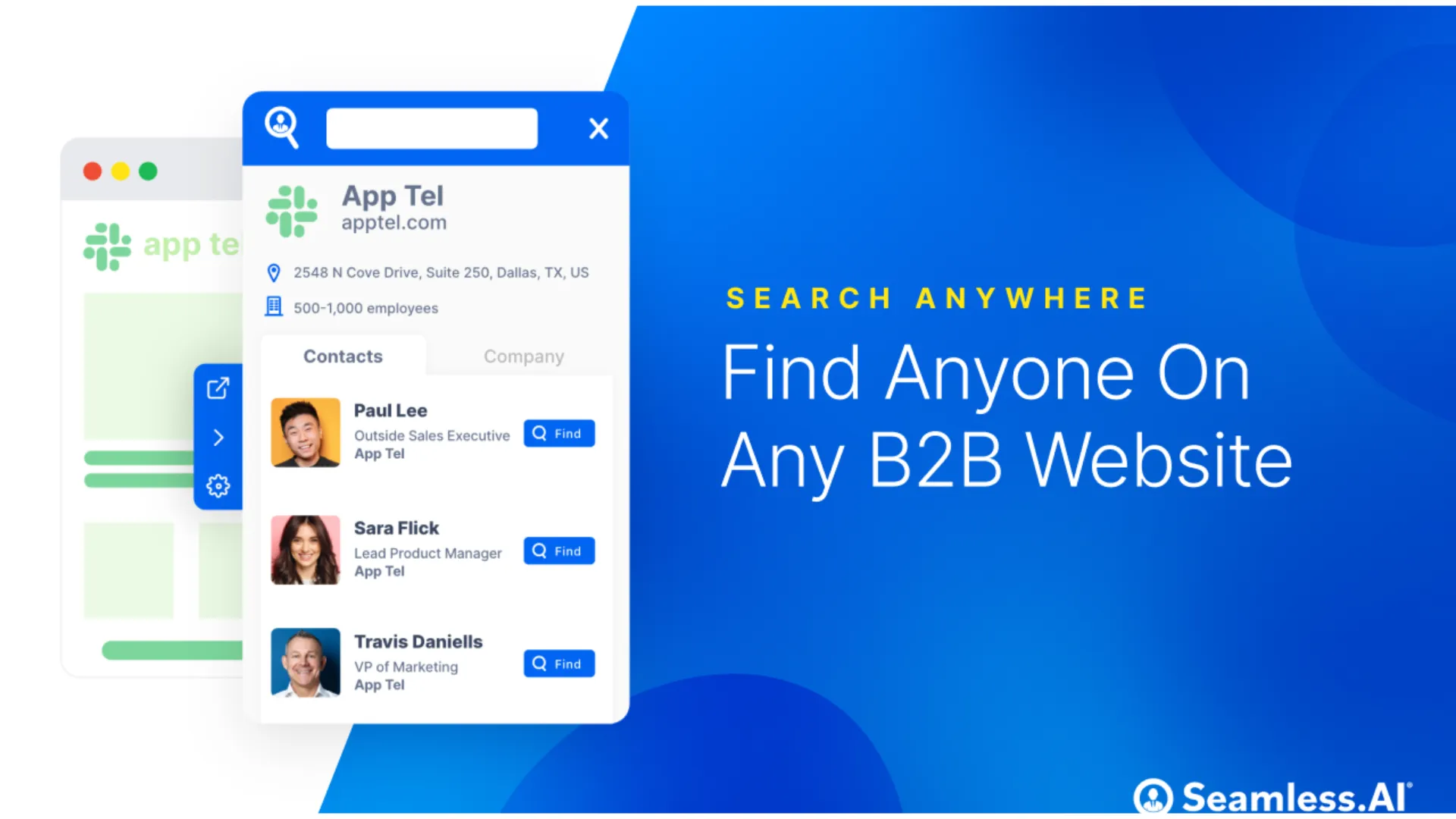
Seamless.AI positions itself as a dynamic contact discovery platform rather than a static database. It searches, verifies, and surfaces contact information in real time.
This approach appeals to SDR teams operating under tight budgets who want flexibility rather than long term commitments.
For teams asking which budget friendly contact discovery services offer high quality data, Seamless often enters the shortlist.
Strengths and Practical Tradeoffs of Seamless.AI
Seamless works best as a supplemental discovery engine. It allows SDRs to find contacts on demand and validate information quickly.
However, it requires discipline. Without clear targeting, reps can chase volume instead of fit.
Common strengths include
• Real time email and phone verification
• Chrome based prospecting workflows
• Job change alerts for timely outreach
• Free tier access for testing and pilots
Seamless supports startup friendly outbound automation but performs best when paired with strong qualification rules.
Hunter.io as a Precision Email Discovery Tool

Hunter serves a very specific SDR need. When the account is known and the role is known, Hunter helps uncover verified email addresses quickly.
This makes it ideal for account based motions and targeted outbound where quality matters more than scale.
For teams asking what enrichment tools are optimized for small SDR groups with limited resources, Hunter often delivers high ROI.
Where Hunter.io Adds the Most Value
Hunter does not replace full SDR lead generation platforms. It complements them by filling gaps.
Its strengths usually include
• Domain based email discovery
• Individual email finding for named contacts
• Bulk verification to reduce bounce rates
• Simple campaigns for direct outreach
Hunter supports low budget outbound data engines that prioritize accuracy over volume.
Reply.io as a Multi Channel SDR Engagement Platform

Reply.io focuses on one thing extremely well. Coordinated outreach across channels at scale.
It acts as an SDR focused workflow accelerator that connects email, LinkedIn, calls, and SMS into one cohesive motion.
For teams asking how to automate lead generation for SDR teams while maintaining personalization, Reply becomes a strong option.
Why Reply.io Scales SDR Output Without Extra Headcount
Reply guides SDRs through daily execution. Tasks appear in order. Messages adapt based on engagement. Performance becomes visible.
This structure supports high volume lead qualification bots and repeatable outbound systems.
Key strengths typically include
• Multi channel sequencing across outreach channels
• AI assisted personalization at scale
• Deliverability safeguards for domain health
• Performance analytics tied to engagement
Reply pairs well with contact intelligence micro solutions and discovery platforms, forming a complete outbound execution layer..


Power and parallel dialing in your CRM.