Our Top Picks


If you run revenue operations, you already know the tool matters as much as the message.
The best sales engagement platforms for RevOps teams are the ones that turn scattered rep activity into a clean, forecastable pipeline; automate multichannel outreach, logging every touch back to the CRM, and giving you the analytics to coach and predict.
For teams that want the short answer: Outreach and Salesloft lead the enterprise pack, Trellus AI is the standout for high volume calling embedded inside your existing stack, and Apollo and HubSpot Sales Hub win on all-in-one value.
Below, we have taken a deep dive into some of the best tools, exclusively through a RevOps lens; as in how each handles activity automation, pipeline visibility, forecasting, and cross team alignment.
Needless to say, our team did the research work, so you don’t have to, and came up with transparent input, so you can match the platform to your motion.
What RevOps Should Demand From a Sales Engagement Platform?
A sales engagement platform is the execution layer that sits between your CRM and your reps: it sequences emails, calls, LinkedIn touches, and tasks, then captures the resulting activity as structured data. For an individual SDR that means fewer manual steps. For RevOps it means something bigger — a single source of truth for what "engagement" looks like across the funnel.
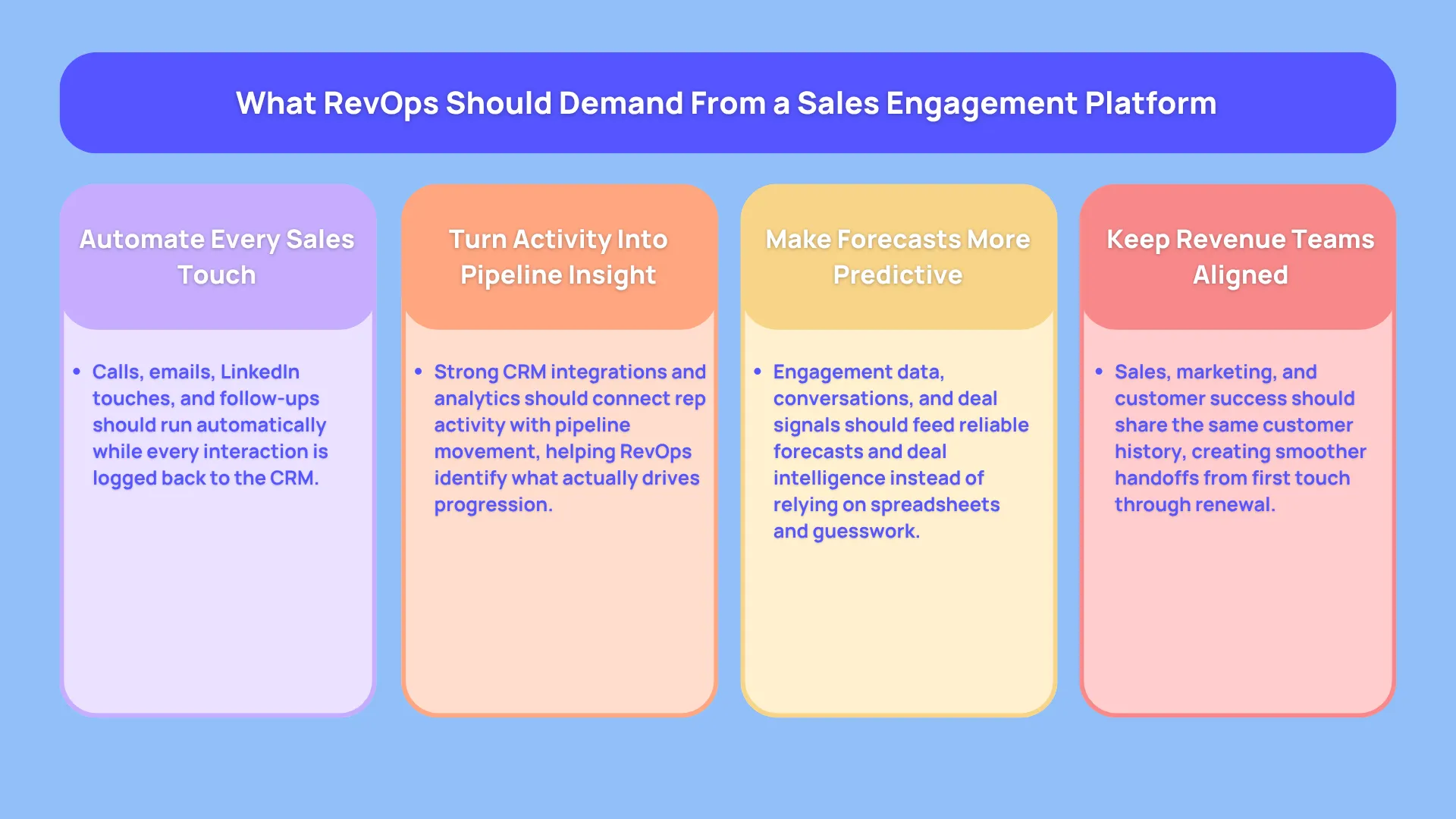
When we evaluate the best sales engagement platforms for RevOps teams, four capabilities separate the contenders from the pretenders:
• Multichannel sales activity automation and logging. Every call, email, and social touch should fire automatically and write back to the CRM without a rep touching a keyboard. Broken logging is where forecast accuracy quietly dies.
• CRM integrated pipeline visibility and analytics. Bidirectional Salesforce and HubSpot sync, plus reporting that ties activity to stage progression, so you can see which behaviors move deals.
• Predictive revenue forecasting and deal intelligence. Conversation and engagement signals that roll up into a forecast leadership can trust — not a spreadsheet guess.
• Unified sales, marketing, and customer success alignment. Shared data and handoffs so a lead's history follows it from MQL to closed won to renewal.
Keep those four in mind as we go. If you want the deeper category primer first, our guide to the modern sales engagement platform breaks down how the buying criteria have shifted in the AI era.
The 10 Best Sales Engagement Platforms for RevOps Teams in 2026
1. Outreach — Best for Enterprise Sales Execution at Scale

Outreach is the category's heavy champion and, for many large orgs, the default answer. It combines sequencing, a native dialer, deal management, and — increasingly — AI driven guidance and forecasting under one roof.
• What it is: An enterprise sales execution platform built for complex, multirep sales motions. • Best for: Midmarket to enterprise RevOps teams that need governance, admin controls, and a forecasting layer in the same tool.
• Standout features: Deep sequencing with A/B testing, Kaia conversation intelligence, and a "Deal Health" scoring model that gives RevOps predictive revenue forecasting and deal intelligence out of the box.
• Limitation: It's expensive and heavy to administer. Smaller teams often pay for capabilities they never switch on, and rollout typically needs a dedicated admin.
Outreach consistently earns Leader placement in analyst and peer review evaluations. According to Gartner research on sales engagement platforms, buyers increasingly weigh forecasting and revenue intelligence — not just cadence execution — when choosing an enterprise vendor, which plays to Outreach's strengths.
2. Salesloft — Best for Coaching Driven Revenue Orchestration
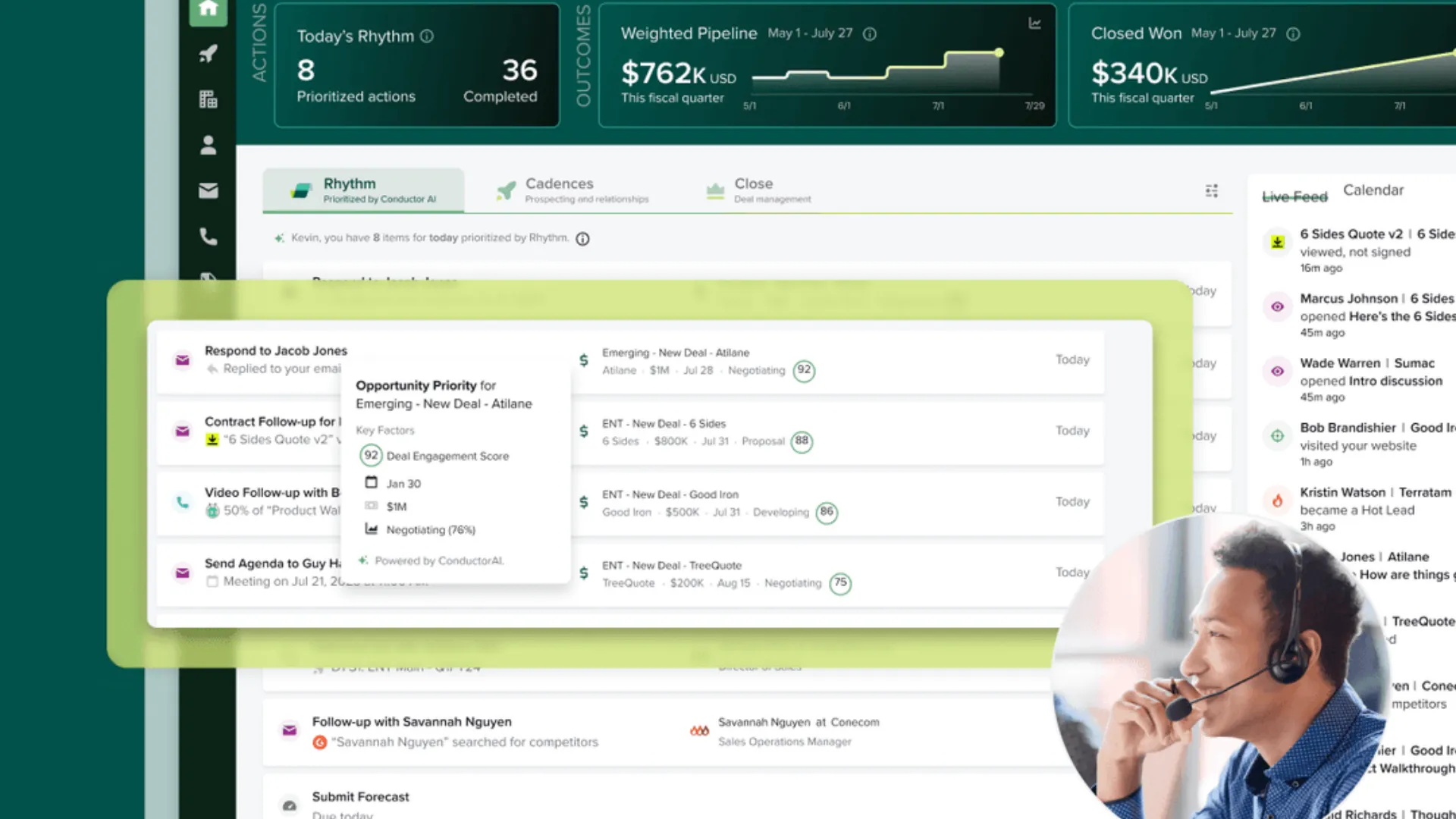
Salesloft is Outreach's closest peer and, for many teams, the more coaching forward option. Its "Rhythm" engine turns buyer signals into prioritized rep actions, which is a genuinely RevOps friendly way to enforce process.
• What it is: A revenue orchestration platform spanning cadences, dialer, conversation intelligence, and deal management.
• Best for: Teams that want engagement and coaching tightly coupled, with strong manager visibility. • Standout features: Rhythm signal to action workflows, robust Conversations (call/meeting intelligence), and clean CRM integrated pipeline visibility and analytics.
• Limitation: Like Outreach, pricing sits at the premium end, and the platform's depth can overwhelm smaller RevOps functions without a power user driving adoption.
If your priority is standardizing rep behavior and improving SDR efficiency across a distributed team, Salesloft is a strong fit.
3. Trellus AI — Best for High Volume Calling Embedded in Your Existing Stack
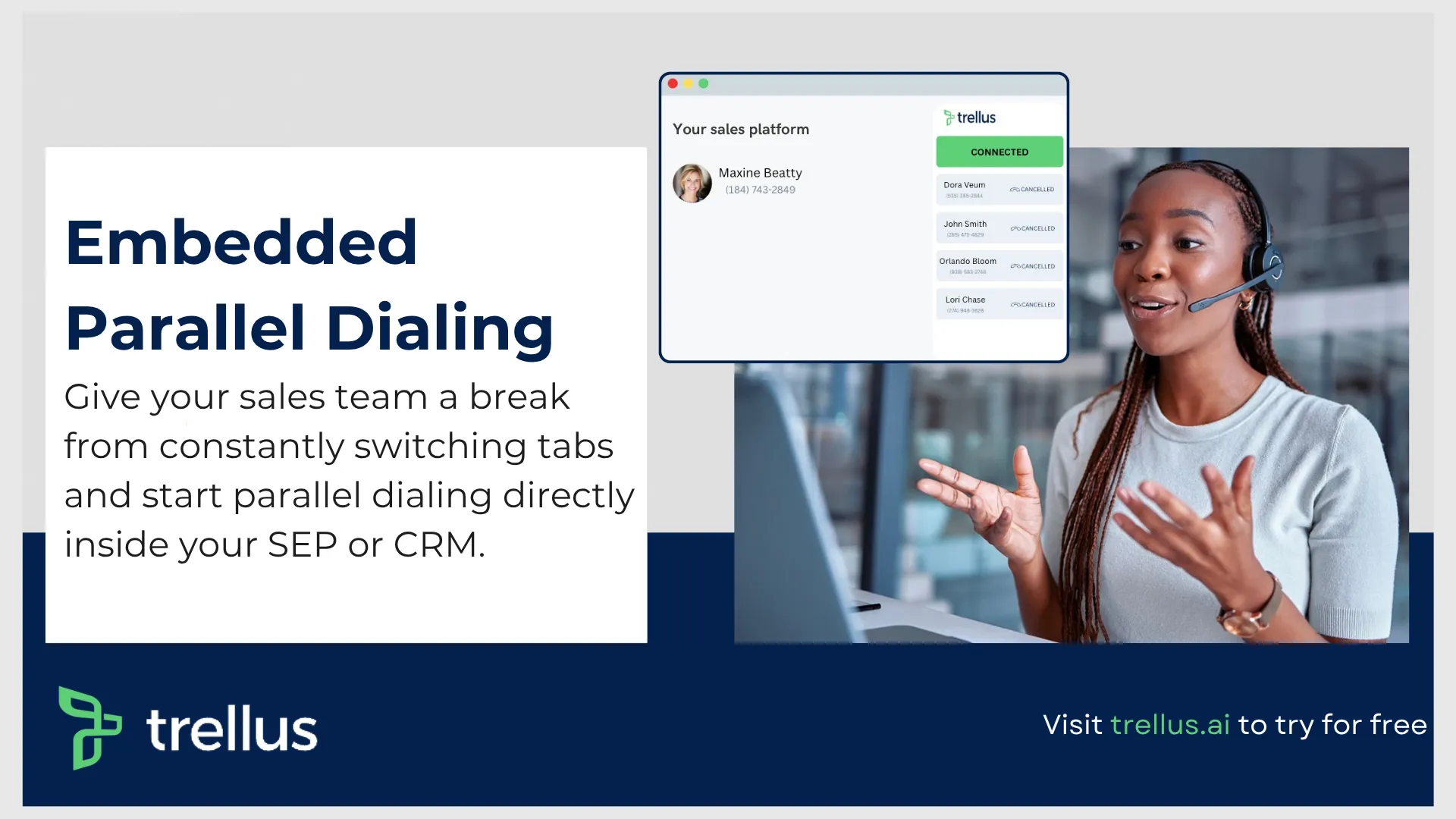
Here's where the field gets interesting for RevOps teams that live on the phone. Trellus AI isn't trying to replace your SEP — it supercharges it. Its signature is an embedded parallel dialer that runs inside the tools reps already use (Salesloft, Outreach, Apollo, HubSpot, Salesforce, and more) via a Chrome extension, so reps never context switch into a separate dialer app.
• What it is: An AI powered sales acceleration and coaching layer with an embedded parallel dialer, real time AI coaching, and 100% call scoring.
• Best for: SDR/BDR and AE teams running high volume outbound calling who want to keep dialing inside their current sales engagement platform rather than rip it out.
• Standout features:
• Parallel dialer that dials up to ~5 lines simultaneously to multiply live connects, with automated voicemail drop and call logging back to the SEP/CRM — so multichannel sales activity automation and logging stay intact.
• Realtime AI coaching during live calls: objection handling, competitor battlecards, and customizable talk tracks.
• Call analytics that score 100% of calls (not samples), plus a Virtual Sales Floor for remote teams to listen live, run call blitzes, and coach in the moment.
• AI voice agents that double as 24/7 practice partners, and a Superhuman style unified LinkedIn/Sales Navigator inbox.
• Limitation: Trellus is a calling and conversation execution layer, not a full CRM or a B2B contact database — you'll pair it with your data provider and SEP. It's also a younger brand than the incumbents, and parallel dialing rewards disciplined list hygiene and TCPA/DNC compliance.
For RevOps, the appeal is leverage without disruption: reps triple their connect rate and every conversation gets scored and logged, feeding cleaner activity data into your existing pipeline reporting.
Pricing is refreshingly transparent— the Power and Parallel plans both run $99.99/mo and $149.99/mo, respectively, while the Business/Enterprise plan is custom priced for teams that want analytics, custom reporting, and AI modeling.
There's no forced demo. If your bottleneck is live conversations rather than email volume, Trellus belongs on the shortlist alongside the best AI sales platforms in the category.
4. Apollo — Best All in One for Data Plus Engagement

Apollo bundles a large B2B contact database with sequencing, dialing, and basic deal management. For RevOps teams tired of stitching a data vendor to a separate SEP, that consolidation is compelling.
• What it is: A combined sales intelligence and engagement platform with 275M+ contacts and built in outreach.
• Best for: SMB and midmarket teams that want prospecting data and engagement in one subscription.
• Standout features: Native database with intent signals, multichannel sequences, and increasingly capable AI writing and lead scoring.
• Limitation: As an all in one, no single module is best in class — the dialer and conversation intelligence trail dedicated tools, and data accuracy varies by region.
Apollo is a natural anchor for a lean stack; layer dedicated outbound sales automation tools or a specialist dialer on top when volume demands it.
5. HubSpot Sales Hub — Best for Unified Sales, Marketing, and CS Alignment
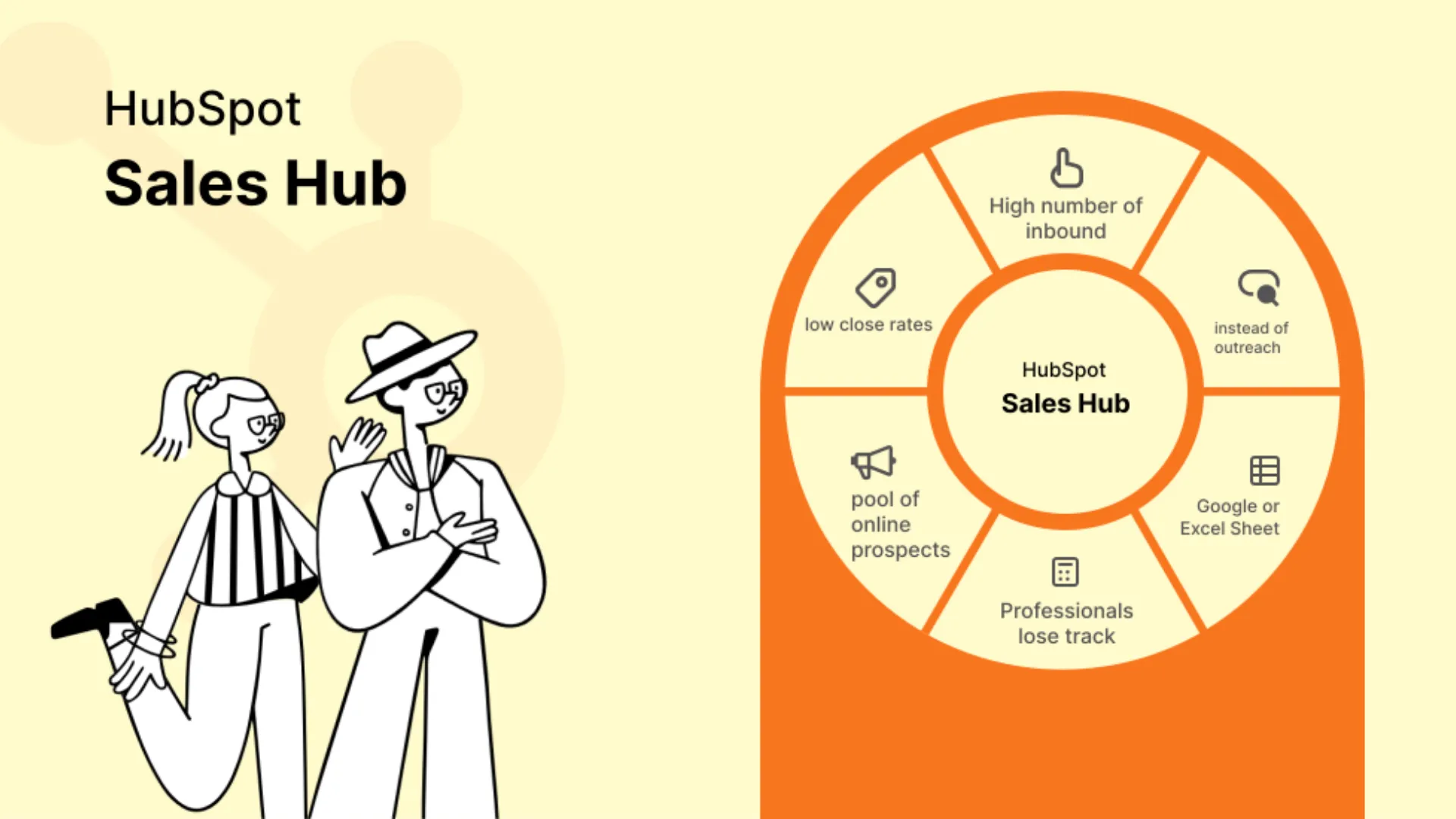
If unified sales, marketing, and customer success alignment is your top RevOps priority, HubSpot is hard to beat. Because Sales Hub sits on the same platform as Marketing Hub and Service Hub, a contact's entire lifecycle lives in one record.
• What it is: The sales engagement module of HubSpot's broader CRM platform, with sequences, calling, and deal pipelines.
• Best for: RevOps teams that want one platform spanning marketing, sales, and CS with no integration tax.
• Standout features: Native cross hub reporting, strong workflow automation, and clean CRM integrated pipeline visibility because the CRM is the platform.
• Limitation: Sequencing and dialing are solid but not as deep as Outreach or Salesloft, and costs escalate quickly as you add seats and hubs.
HubSpot is the alignment play. For a broader look at where it fits, see our roundup of the best RevOps tools.
6. Groove (by Clari) — Best for Salesforce Native Teams
.webp)
Groove, now part of Clari, is engineered for organizations that treat Salesforce as gospel. It works natively inside the Salesforce UI, which eliminates the sync headaches that plague other SEPs.
• What it is: A Salesforce native sales engagement platform paired with Clari's revenue platform.
• Best for: Enterprise RevOps teams standardized on Salesforce that want engagement plus Clari's forecasting.
• Standout features: Real time, bidirectional Salesforce sync; strong flows and templates; and — via Clari — best in class predictive revenue forecasting and deal intelligence.
• Limitation: The value proposition is weaker if you're not on Salesforce, and the combined Clari suite carries enterprise pricing and complexity.
The GrooveplusClari combination is one of the tightest engagement to forecast pipelines available for Salesforce shops.
7. Mixmax — Best for Gmail Centric AE Workflows
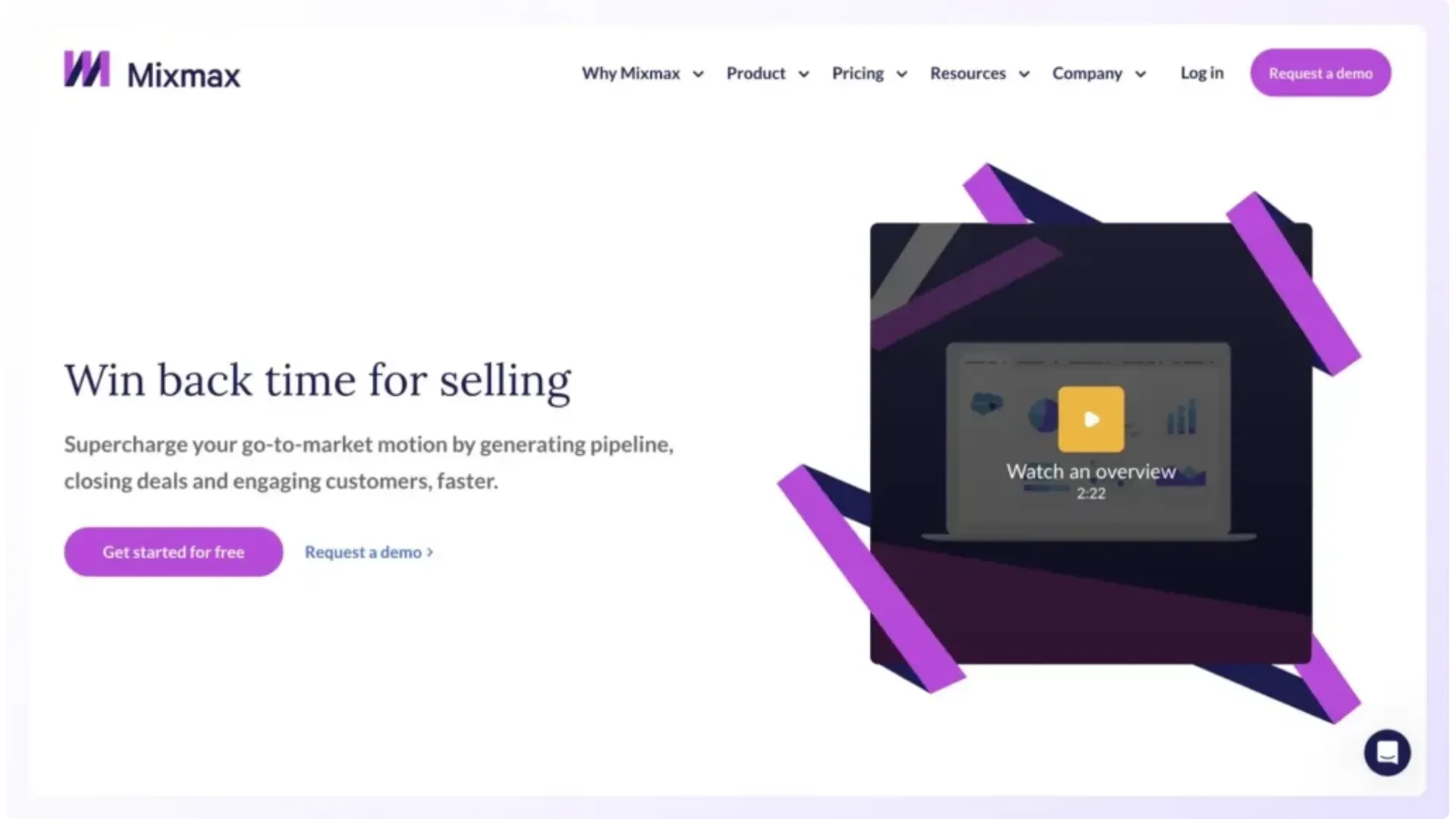
Mixmax lives inside Gmail and Google Workspace, making it a favorite for AE and account management teams that run their day out of the inbox rather than a separate console.
• What it is: An email first engagement and productivity tool with sequences, scheduling, and workflow rules.
• Best for: Post sales and AE teams, and SMBs that want lightweight automation without heavy CRM overhead.
• Standout features: Deep Gmail integration, one-click meeting scheduling, and rules based automations that trigger tasks and follow ups.
• Limitation: Calling and conversation intelligence are limited, and reporting is thinner than the enterprise platforms — RevOps may find pipeline analytics too shallow for forecasting.
Mixmax shines on inbox productivity but leans on your CRM for real pipeline visibility.
8. Nooks — Best for AIPowered Parallel Dialing and Virtual Floors
Nooks made its name on the AI dialer and virtual sales floor combination, helping outbound teams pack more live conversations into every hour.
• What it is: An AI sales assistant platform centered on parallel dialing, a virtual sales floor, and call analytics.
• Best for: SDR teams focused on high volume cold calling and collaborative remote coaching. • Standout features: AI powered parallel dialer with answering machine detection, live listen virtual floors, and call recording/analytics.
• Limitation: It's a calling first specialist rather than a full multichannel SEP, so email and social sequencing are lighter — and it's a premium spend for what it does.
Nooks is a direct point of comparison to Trellus on dialing; the difference is that Trellus embeds inside your existing SEP rather than asking reps to work in a separate app.
9. Reply.io — Best for AIDriven Multichannel Sequencing
Reply.io targets teams that want aggressive multichannel automation — email, LinkedIn, calls, SMS, WhatsApp — with a heavy dose of AI to build and personalize sequences.
• What it is: An AI first sales engagement and outreach automation platform.
• Best for: SMB and midmarket outbound teams and agencies running high volume, multichannel prospecting.
• Standout features: AI SDR agents, a large sequence template library, built in email deliverability tooling, and true multichannel sales activity automation.
• Limitation: Enterprise governance, deal management, and forecasting are lighter than the toptier platforms, so larger RevOps functions may outgrow it.
Reply.io is a strong engine for volume; pair it with a CRM that carries the forecasting weight.
10. Klenty — Best Value for Multi Channel Cadences
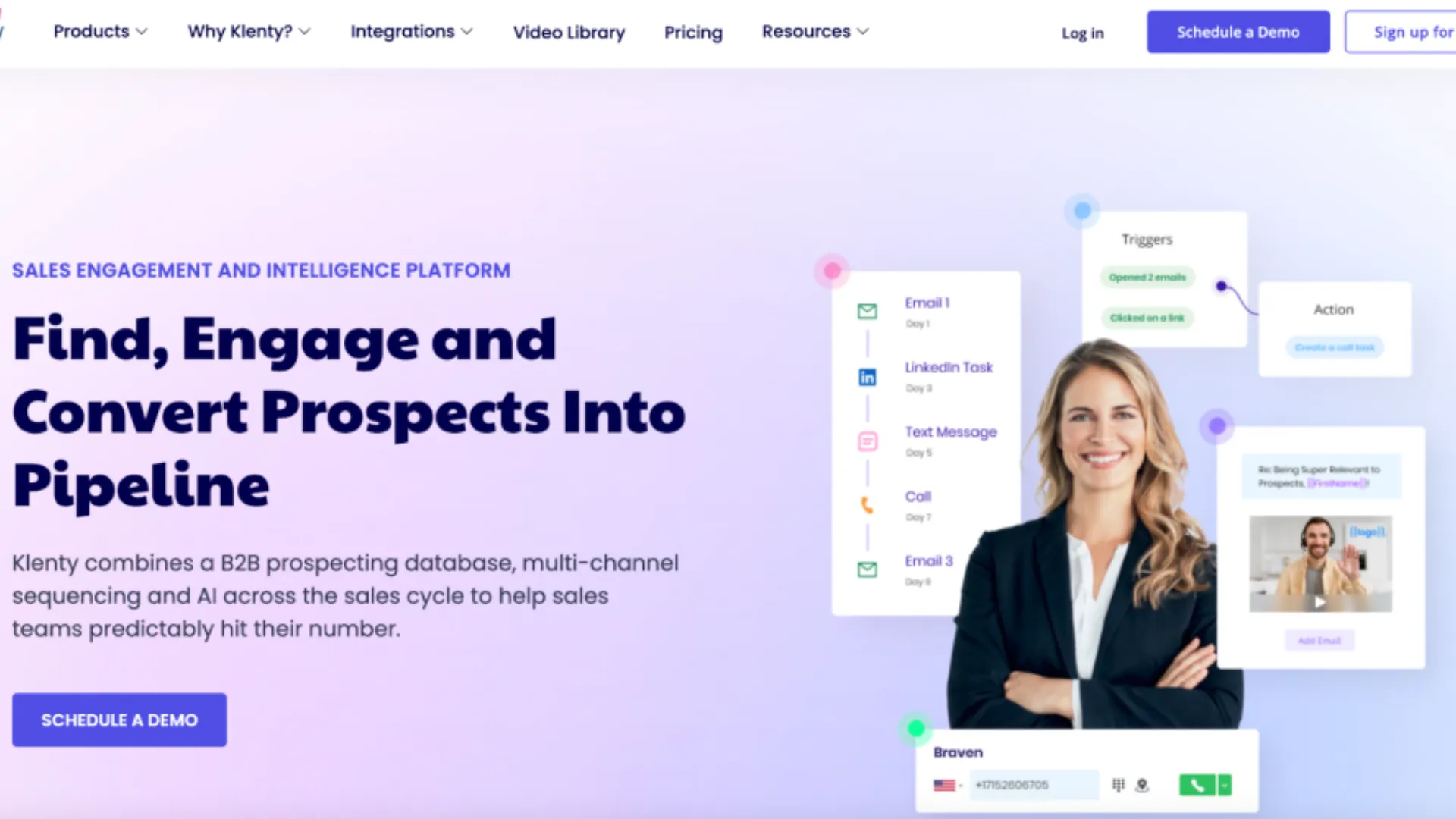
Klenty rounds out the list as a pragmatic, cost effective SEP for teams that want reliable multichannel cadences without enterprise pricing.
• What it is: A multichannel sales engagement platform with sequencing, a dialer, and CRM integrations.
• Best for: SMB and midmarket teams that need dependable cadence execution on a budget. • Standout features: Multichannel cadences (email, call, LinkedIn, SMS, WhatsApp), solid Salesforce/HubSpot/Pipedrive sync, and route based lead assignment.
• Limitation: Conversation intelligence and predictive analytics are basic, so it supports sales team productivity and engagement orchestration well but leaves forecasting to your CRM.
Klenty is the value pick — a lot of engagement capability per dollar, if you don't need deep revenue intelligence baked in.
How to Choose the Right Sales Engagement Platform for Your RevOps Team
There's no universally "best" tool — only the best fit for your motion, stack, and data discipline. Work through these questions:
1. What's your dominant channel? Phone heavy outbound teams should prioritize dialer depth (Trellus, Nooks); email led motions can lean on sequencing specialists (Outreach, Salesloft, Reply.io).
2. What CRM are you standardized on? Salesforce native shops get the cleanest logging from Groove/Clari or Outreach; HubSpot users get unmatched alignment from Sales Hub.
3. Do you need forecasting built in, or bolted on? If leadership wants predictive revenue forecasting inside the engagement tool, favor Outreach, Salesloft, or Groove/Clari. Otherwise, let a dedicated forecasting layer or your CRM do it.
4. How mature is your RevOps function? A single admin can run Klenty or Apollo; enterprise platforms assume a dedicated ops owner.
5. Rip and replace or augment? You don't always need a new SEP. If live conversations are the bottleneck, an embedded layer like Trellus boosts your existing platform instead of replacing it.
Whatever you pick, insist on airtight activity logging — it's the foundation of every downstream report. On the peer review side, the G2 Grid for Sales Engagement is a useful sanity check on real user satisfaction and adoption before you commit to a contract. And if calling is central to your process, evaluate sales call analytics software alongside your SEP so no conversation goes unscored.
Frequently Asked Questions
What is a sales engagement platform, and how is it different from a CRM?
A CRM is the system of record for accounts, contacts, and deals. A sales engagement platform is the execution layer on top of it: it alsoautomates and sequences the actual outreach (calls, emails, social, tasks) and logs every touch back to the CRM.
RevOps teams run both: the CRM holds the truth, the SEP drives and captures the activity.
Which sales engagement platform is best for a RevOps team focused on forecasting?
For forecasting first RevOps teams, Outreach, Salesloft, and Groove (with Clari) offer the strongest built in predictive revenue forecasting and deal intelligence.
If you prefer to keep engagement and forecasting separate, pair a lighter SEP with a dedicated revenue platform or your CRM's forecasting module.
Do we need a separate dialer if our SEP already has one?
Often, yes — if calling volume is high. Native SEP dialers are typically single line and adequate for low volume.
Teams that need to multiply live connects add a parallel dialer like Trellus, which embeds inside the SEP so reps don't switch apps and calls still log automatically. It augments rather than replaces your platform.
How do these platforms support sales, marketing, and CS alignment?
Alignment comes from shared data. Platforms built on a unified CRM (HubSpot Sales Hub especially) keep a contact's full lifecycle in one record so leads, deals, and post sale activity are visible to every team.
Others achieve it through tight CRM sync — the key is consistent, automatic logging so no team is working from stale information.
Are the best sales engagement platforms worth it for a small team?
Yes, if you choose by size. Enterprise tools like Outreach and Salesloft are overkill for a 3–5 person team; value oriented options like Klenty, Apollo, or a self serve Trellus plan deliver most of the engagement upside without the admin overhead or premium price.
Over To You!
The best sales engagement platforms for RevOps teams in 2026 aren't just cadence engines.
In other words, they're more like the connective tissue between rep activity and revenue predictability. Outreach and Salesloft own the enterprise, HubSpot and Apollo win on alignment and allinone value, Groove/Clari serves Salesforce purists, and specialists like Nooks, Reply.io, Mixmax, and Klenty cover specific motions well.
And if your pipeline lives on the phone, Trellus AI adds high volume parallel dialing, real time coaching, and 100% call scoring inside the stack you already run — no rip and replace required.


Power and parallel dialing in your CRM.