Our Top Picks


Sales teams in 2026 are dealing with a completely different outbound environment compared to even two years ago. Buyers are harder to reach, inboxes are saturated with AI generated outreach, and generic cold emails are getting ignored faster than ever. Most SDRs now compete against hundreds of automated touchpoints every single week.
That shift is exactly why sales sequencing tools have become one of the most important categories in modern outbound sales.
The top performing teams are no longer relying on disconnected spreadsheets, manual follow ups, or one off email blasts. They are building automated sales workflows that combine email, phone calls, LinkedIn, SMS, AI personalization, buying intent signals, and sales cadence optimization into a single outbound engine.
And the gap between teams using strong sequencing systems versus teams still running manual outreach is growing fast.
The average outbound rep can manually manage around 40 to 60 prospects per day before quality drops. Teams using modern sales engagement platforms regularly manage 200 plus active prospects while maintaining personalization across every touchpoint.
That is where the best sales sequencing tools separate themselves.
Some platforms focus heavily on AI generated outreach. Others prioritize conversation intelligence, power dialing, CRM syncing, or multi channel orchestration. Some are built for enterprise sales orgs with thousands of users. Others are perfect for lean startups trying to maximize pipeline with limited headcount.
The challenge is that most “top tools” lists barely explain how these platforms perform in real outbound environments.
A lot of them simply recycle feature lists.
That does not help SDR leaders trying to evaluate outbound sequencing software that their entire revenue team may depend on for years.
This breakdown takes a more practical approach.
You will see where each platform excels, where it struggles, what type of team should use it, and which products create unnecessary complexity despite strong marketing.
If you are researching what are sales sequencing tools, how sales sequencing works, or which are the best sales sequencing tools in 2026, this comparison will help you understand the category far beyond surface level feature lists.
What Is a Sales Sequence?
A sales sequence is a structured series of outreach touchpoints designed to move a prospect from initial awareness toward a conversation, meeting, or buying decision.
Most outbound sales sequences include a combination of:
• Cold emails
• Follow up emails
• LinkedIn messages
• Phone calls
• SMS reminders
• Voicemails
• Social engagement
The purpose of sales sequencing is simple.
You stay consistently visible to prospects without requiring reps to manually remember every follow up.
That consistency matters because modern B2B buyers rarely respond to the first touchpoint.
Research across sales engagement platforms continues showing that many prospects require between 8 and 15 touches before engaging meaningfully.
Without structured sequencing, reps naturally prioritize fresh leads and forget older prospects after one or two failed attempts.
That creates pipeline leakage.
Good sales sequencing solves that problem through automation while still preserving personalization.
Here is a simple example of how a modern outbound sales sequence might work:
Day 1, personalized cold email
Day 2, LinkedIn profile view
Day 4, follow up email with case study
Day 6, cold call attempt
Day 8, LinkedIn connection request
Day 11, objection handling email
Day 14, breakup email
Modern email and call sequencing tools automate these workflows while tracking engagement across every step.
The strongest systems also adjust timing dynamically based on prospect behavior.
For example:
• Opening multiple emails may trigger faster call tasks
• Clicking pricing pages may increase lead score
• Ignoring several touches may pause the sequence temporarily
• Replying positively may automatically create CRM opportunities
That is where sales pipeline automation tools create major efficiency gains.
Without sequencing systems, reps spend enormous amounts of time managing follow ups manually.
With sequencing systems, they spend more time talking to qualified prospects.
And that is ultimately the core reason sales engagement platforms exist.
What Is AI Sales Sequencing?
AI sales sequencing refers to outbound workflows where artificial intelligence helps automate, personalize, prioritize, optimize, or execute prospect outreach across multiple channels.
This category has expanded rapidly over the last two years.
Earlier sales sequencing tools mostly handled scheduling and automation.
Modern AI sequencing platforms now assist with:
• Writing personalized cold emails
• Identifying buying signals
• Predicting reply likelihood
• Recommending next best actions
• Optimizing send times
• Detecting intent signals
• Prioritizing high value accounts
• Generating call summaries
• Improving deliverability decisions
The strongest AI powered systems no longer function like simple autoresponders.
They operate more like outbound operating systems.
For example, some advanced sales automation platforms can now:
• Detect job changes from LinkedIn
• Research recent funding announcements
• Analyze CRM engagement history
• Generate customized messaging automatically
• Select optimal sending inboxes
• Launch multichannel outreach instantly
That entire process may happen with minimal rep involvement.
This is one reason AI driven outbound prospecting software has become such a major category in revenue operations.
But there is also a lot of hype in this market.
Many vendors claim “AI powered sequencing” when their functionality is little more than basic email rewriting.
The quality gap between platforms is massive.
Strong AI sequencing tools improve workflow efficiency while still helping outreach feel human.
Weak tools simply produce more generic outbound noise at higher speed.
That difference is becoming increasingly obvious to buyers.
The best AI sales sequencing platforms in 2026 focus heavily on contextual personalization, signal based workflows, and sales cadence optimization rather than sheer automation volume.
TL;DR Comparison: 11 AI Sales Sequencing Platforms in 2026
What Makes a Great AI Sequencing Tool in 2026?
The definition of a great sales sequencing platform has changed dramatically.
A few years ago, teams mainly looked for automated follow ups and CRM syncing.
Now the category is far more demanding.
Modern outbound sales runs across multiple channels, multiple inboxes, AI systems, intent data, deliverability infrastructure, and increasingly complex buyer journeys.
That means great sales cadence tools need to solve far more operational problems than simple email automation.
Multi Channel Execution Matters More Than Ever
One of the biggest shifts in outbound sales is the decline of email only sequencing.
Email still matters.
But relying entirely on cold email creates major limitations because buyers now receive enormous outreach volume daily.
The strongest multi channel outreach tools coordinate communication across:
• Email
• Phone
• LinkedIn
• SMS
• WhatsApp
• Social engagement
• AI voice messaging
This creates more natural prospect interactions while increasing total touchpoint visibility.
A rep might send an email on Monday, call Wednesday, engage on LinkedIn Friday, then trigger a follow up email automatically the following week.
That coordination improves response rates significantly compared to isolated outreach efforts.
Deliverability Infrastructure Has Become Critical
One of the least discussed areas of outbound sequencing is infrastructure quality.
A platform may have excellent AI writing capabilities, but poor deliverability can destroy campaign performance completely.
Strong sales engagement platforms now include:
• Email warmup systems
• Domain reputation monitoring
• Inbox rotation
• Spam testing
• SPF, DKIM, and DMARC management
• Dedicated sending infrastructure
This matters because inbox providers have become far more aggressive toward outbound traffic patterns.
Teams sending high volume cold outreach without deliverability protection often experience severe open rate declines.
That’s why running a proactive test through an email deliverability checker before scaling campaigns can help confirm that your setup is sound and your messages are reaching inboxes across major providers.
Good outbound sequencing software protects against that.
AI Needs To Improve Context, Not Just Speed
AI generated outreach exploded across the sales industry over the last two years.
Unfortunately, much of it created more low quality outbound noise.
The best sales sequencing tools now use AI intelligently.
Good AI systems help reps:
• Identify relevant buyer signals
• Personalize outreach contextually
• Prioritize high intent accounts
• Improve timing decisions
• Surface conversation insights
Weak AI systems simply generate generic outreach faster.
That kind of difference matters because buyers can spot low quality automation immediately now.
CRM Synchronization Must Be Reliable
Sales teams operate inside CRMs constantly.
If sequencing tools create duplicate records, lose engagement history, or fail syncing workflows, operational problems spread quickly across the revenue organization.
Strong sales pipeline automation tools maintain reliable two way synchronization with:
• Salesforce
• HubSpot
• Pipedrive
• Microsoft Dynamics
• Zoho CRM
The best platforms reduce administrative work rather than adding new operational headaches.
Ease Of Adoption Matters More Than Vendors Admit
Some enterprise sales engagement platforms require weeks of implementation, extensive onboarding, and dedicated operations management.
That can make sense for very large organizations.
But smaller and mid market teams increasingly prioritize speed, usability, and fast deployment.
A great sequencing platform should help reps become productive quickly.
If reps avoid using the system consistently because workflows feel complicated, even powerful features lose value.
That is one reason lightweight tools like Mixmax and Lemlist continue growing despite having fewer enterprise capabilities.
Best Sales Sequencing Tools That Are Worth a Shot In 2026
1. Amplemarket: Best Overall AI Sequencing Platform
Amplemarket has positioned itself as one of the most ambitious AI driven sales engagement platforms in the market.
And honestly, the positioning makes sense once you see how much of the outbound workflow the platform tries to centralize.
A lot of sales sequencing tools still operate like upgraded email sequencers.
Amplemarket operates more like a full outbound operating system.
The platform combines:
• Prospect data
• Buying signals
• AI research
• Multichannel sequencing
• Deliverability infrastructure
• Dialing
• Analytics
• AI personalization
All inside one environment.
That matters because many outbound teams still juggle five or six disconnected tools every day.
Amplemarket tries to eliminate that fragmentation completely.
One of its strongest differentiators is signal based automation.
The platform monitors prospect behavior and intent signals, then automatically launches personalized outreach workflows around those triggers.
For example, if a prospect changes jobs, raises funding, visits your website repeatedly, or evaluates competitors, the system can trigger AI generated outreach immediately.
That creates far more contextual outbound communication.
And context is becoming the single most important factor in outbound performance.
The AI layer is also more sophisticated than most competitors.
Their Duo AI system handles:
• Prospect research
• Message generation
• Sequence optimization
• Signal monitoring
The messaging quality tends to feel substantially more human than many AI sales tools flooding the market right now.
That is important because generic AI outreach fatigue is becoming a serious problem across B2B sales.
Another major strength is deliverability infrastructure.
Many outbound platforms still treat deliverability as an afterthought.
Amplemarket treats it like core infrastructure.
The platform includes:
• Warmup systems
• Spam testing
• Domain monitoring
• Inbox health management
• Mailbox rotation
• Dedicated IP support
That level of infrastructure becomes especially valuable for high volume outbound teams.
The biggest downside is pricing.
Amplemarket is clearly targeting serious outbound organizations rather than early stage startups operating on extremely tight budgets.
Teams also need to understand that this is not a CRM replacement.
It handles outbound exceptionally well, but deal management still belongs elsewhere.
For teams prioritizing advanced AI sales sequencing, multichannel orchestration, and outbound workflow consolidation, Amplemarket is currently one of the strongest sales sequencing tools examples available in 2026.
2. Trellus: Best Parallel Dialer for Outbound SDR Teams
Most sales engagement platforms still treat calling like a secondary feature.
Trellus approaches outbound from the opposite direction.
The platform is built heavily around dialing efficiency, rep productivity, and live conversation volume.
That makes it especially appealing for SDR teams where phone outreach still drives a major percentage of meetings booked.
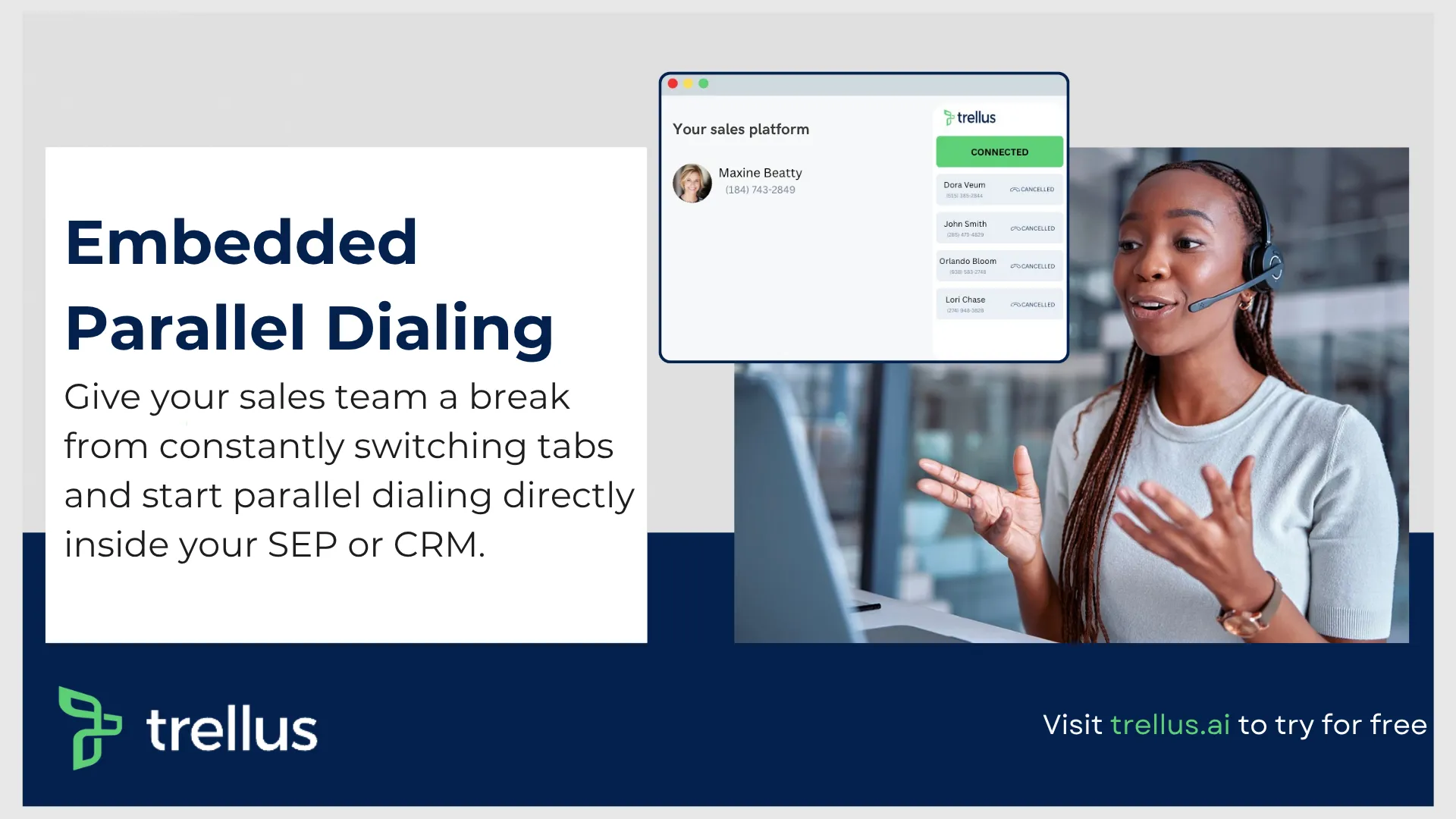
One of Trellus’ biggest strengths is parallel dialing.
Reps can call multiple prospects simultaneously while the platform filters unanswered calls automatically.
That dramatically increases live conversation rates compared to standard click to dial workflows.
For outbound teams making hundreds of calls daily, that operational difference becomes enormous over time.
The platform also layers AI coaching directly into the calling workflow.
Managers can analyze:
• Objection handling
• Talk ratios
• Call pacing
• Script adherence
• Coaching opportunities
Without spending hours manually reviewing recordings.
Trellus also integrates sequencing workflows across email and LinkedIn touchpoints, though the calling experience remains the platform’s strongest capability.
Where Trellus stands out compared to many traditional sales cadence tools is workflow speed.
The interface feels optimized for high output SDR environments rather than executive forecasting or enterprise reporting complexity.
That simplicity helps adoption.
New reps can ramp faster because workflows are straightforward and operationally focused.
The platform is less mature than Outreach or Salesloft when it comes to enterprise governance, forecasting depth, or highly customized reporting.
But many mid market outbound teams may prefer that tradeoff.
Especially teams focused heavily on pipeline generation rather than complex enterprise revenue operations.
Trellus works particularly well for:
• High volume SDR teams
• Cold calling heavy outbound motions
• Teams prioritizing speed to conversation
• Organizations wanting AI coaching without enterprise complexity
Among modern outbound prospecting software platforms, Trellus fills a very specific but increasingly important niche.
Phone first outbound execution at scale.
3. Salesloft: Deal Management Strength, Security Concerns
Salesloft remains one of the most recognizable names in sales engagement platforms, especially inside larger B2B revenue organizations.
For years, the platform built its reputation around structured cadences, enterprise workflow management, and deep Salesforce connectivity. A lot of mature outbound teams still rely heavily on it because the sequencing engine itself is stable, predictable, and operationally reliable.
And to be fair, Salesloft still performs extremely well in certain areas.
The cadence builder is polished, flexible, and easy for sales teams to operationalize at scale. Managers can build sophisticated workflows with branching logic, engagement based triggers, and coordinated multi touch sequences without overwhelming reps operationally.
That consistency matters in larger organizations where hundreds of reps may be running outbound motions simultaneously.
One area where Salesloft genuinely stands out is revenue intelligence.
The company invested heavily into conversation intelligence, forecasting visibility, and deal inspection workflows long before many competitors caught up.
Managers can analyze:
• Call recordings
• Rep coaching opportunities
• Buyer engagement trends
• Pipeline progression
• Forecast risk signals
• MEDDPICC qualification patterns
This creates strong visibility for enterprise sales leadership teams trying to monitor revenue health across large pipelines.
The Clari acquisition strengthened that positioning further because forecasting and pipeline inspection now sit much deeper inside the Salesloft ecosystem.
But despite those strengths, the platform also shows clear weaknesses in the modern outbound environment.
The biggest issue is that Salesloft still depends heavily on external tooling for several critical outbound functions.
The platform lacks native prospect data infrastructure.
That means teams often pay separately for:
• Prospect databases
• Intent data providers
• Deliverability platforms
• LinkedIn automation tools
• Advanced outbound enrichment
And those additional layers can dramatically increase total cost of ownership.
A lot of companies underestimate how expensive enterprise sequencing stacks become once every missing capability gets added separately.
Deliverability infrastructure is another weakness.
Modern outbound sales depends heavily on inbox reputation management and sending infrastructure quality. Yet Salesloft still provides relatively limited built in deliverability tooling compared to newer AI first sequencing platforms.
For teams running aggressive outbound volume, that limitation matters more every year.
The August 2025 security incident also changed how many organizations evaluate the platform.
Security and compliance teams increasingly scrutinize sales engagement software because these systems store huge amounts of prospect and customer communication data.
That incident does not automatically disqualify the platform, but it absolutely became part of enterprise buying conversations.
Salesloft still makes sense for organizations prioritizing:
• Revenue intelligence
• Enterprise forecasting
• Salesforce centric workflows
• Large scale cadence management
• Managerial pipeline visibility
But for teams focused primarily on modern outbound execution, signal based prospecting, AI personalization, and multichannel automation, the platform can feel increasingly fragmented compared to newer outbound sequencing software competitors.
4. Outreach: The Incumbent That Stopped Innovating
There was a period when Outreach basically defined the modern sales sequencing category.
A lot of today’s sales cadence tools borrowed heavily from workflows Outreach popularized years ago.
And even now, the platform remains deeply embedded inside many enterprise revenue organizations.
The problem is that the category evolved much faster than Outreach did.
While newer sales automation platforms aggressively expanded into AI personalization, signal driven workflows, deliverability infrastructure, and multichannel automation, Outreach continued leaning heavily on its enterprise footprint and operational maturity.
That does not mean Outreach is bad software.
Far from it.
The platform still performs extremely well in large enterprise environments where governance, reporting structure, and process consistency matter heavily.
Its sequencing engine remains reliable and scalable.
Managers can coordinate massive outbound operations with:
• Advanced reporting
• Team hierarchy controls
• Workflow permissions
• Territory segmentation
• Sophisticated analytics
• CRM orchestration
This level of structure appeals strongly to enterprise sales operations teams.
Outreach also continues offering strong conversation intelligence capabilities.
The platform captures and analyzes sales calls, surfaces coaching insights, and tracks engagement patterns across deals.
For organizations managing hundreds or thousands of reps, that visibility matters.
The challenge is innovation velocity.
Many newer outbound prospecting software platforms now feel significantly more modern operationally.
For example:
• AI personalization workflows inside Outreach often feel less advanced than newer competitors
• Deliverability tooling remains relatively limited
• LinkedIn execution workflows are still clunky
• Setup complexity remains high
• Administrative overhead is substantial
A lot of SDR teams also complain about workflow heaviness.
The platform can feel operationally dense for smaller or mid market organizations that simply want efficient outbound execution without enterprise bureaucracy.
Implementation timelines are another issue.
Some organizations spend weeks configuring Outreach environments before reps become fully operational. That may be acceptable for large enterprise deployments, but leaner sales teams increasingly expect much faster onboarding experiences.
Pricing complexity also frustrates many buyers.
Outreach still operates largely through custom enterprise pricing conversations, making budgeting difficult for growing teams trying to forecast software costs accurately.
Where Outreach still works extremely well:
• Large enterprise sales organizations
• Salesforce centric operations
• Complex multi team revenue structures
• Organizations prioritizing governance and reporting depth
• Mature RevOps environments with dedicated administrators
Where it struggles more:
• Fast moving SMB outbound teams
• AI first prospecting workflows
• Lightweight operational environments
• Cost sensitive scaling teams
• Organizations prioritizing rapid deployment
Outreach still deserves its place among the best sales sequencing tools historically.
But in 2026, many buyers increasingly view it as the incumbent platform defending market share rather than the company pushing outbound innovation forward.
5. Apollo: Budget Sequencing With A Data Quality Problem
Apollo became popular for one very simple reason.
It bundled prospect data and outbound sequencing together at pricing most competitors could not match.
For startups and smaller SDR teams, that value proposition was extremely attractive.
You could access:
• Large contact databases
• Email sequencing
• Calling features
• CRM syncing
• Basic AI workflows
• Prospect enrichment
All without paying enterprise level pricing.
That combination helped Apollo grow rapidly among outbound heavy teams trying to maximize prospecting coverage while controlling software spend.
And honestly, Apollo still delivers impressive value for early stage outbound teams.
The database size is enormous.
The sequencing functionality is easy to learn.
The platform supports multichannel workflows reasonably well for the price point.
And onboarding tends to move quickly compared to more enterprise focused sales engagement platforms.
But Apollo’s biggest strength is also where many teams experience frustration.
Data quality consistency remains a major concern.
The platform aggregates huge amounts of contact information, but accuracy can vary substantially depending on industry, geography, and role seniority.
Teams often encounter:
• Outdated contact records
• Incorrect direct dials
• Generic company emails
• Duplicate contacts
• Incomplete enrichment data
For smaller teams running moderate outbound volume, this may feel manageable.
For larger outbound organizations running highly optimized prospecting operations, data quality issues create significant inefficiency.
Bad data compounds operationally.
Reps waste time contacting incorrect prospects.
Bounce rates increase.
Deliverability risk rises.
Pipeline forecasting becomes less reliable.
That is why many scaling companies eventually supplement Apollo with separate enrichment vendors or higher quality intent providers.
The AI capabilities also remain relatively lightweight compared to more advanced AI sales sequencing platforms.
Apollo provides useful automation support, but it does not yet operate at the same sophistication level as systems heavily focused on signal driven personalization and workflow orchestration.
Still, Apollo continues making sense for:
• Startups building early outbound motions
• Lean SDR teams needing affordable sequencing
• Teams wanting database plus outreach in one platform
• Budget conscious outbound operations
• Founders running prospecting personally
It remains one of the most widely used sales sequencing tools examples because the overall value proposition is still strong despite the data consistency tradeoffs.
For many companies, Apollo becomes the first serious outbound sequencing platform before graduating into more specialized systems later.
6. Lemlist: Best Creative SMB Sequencing
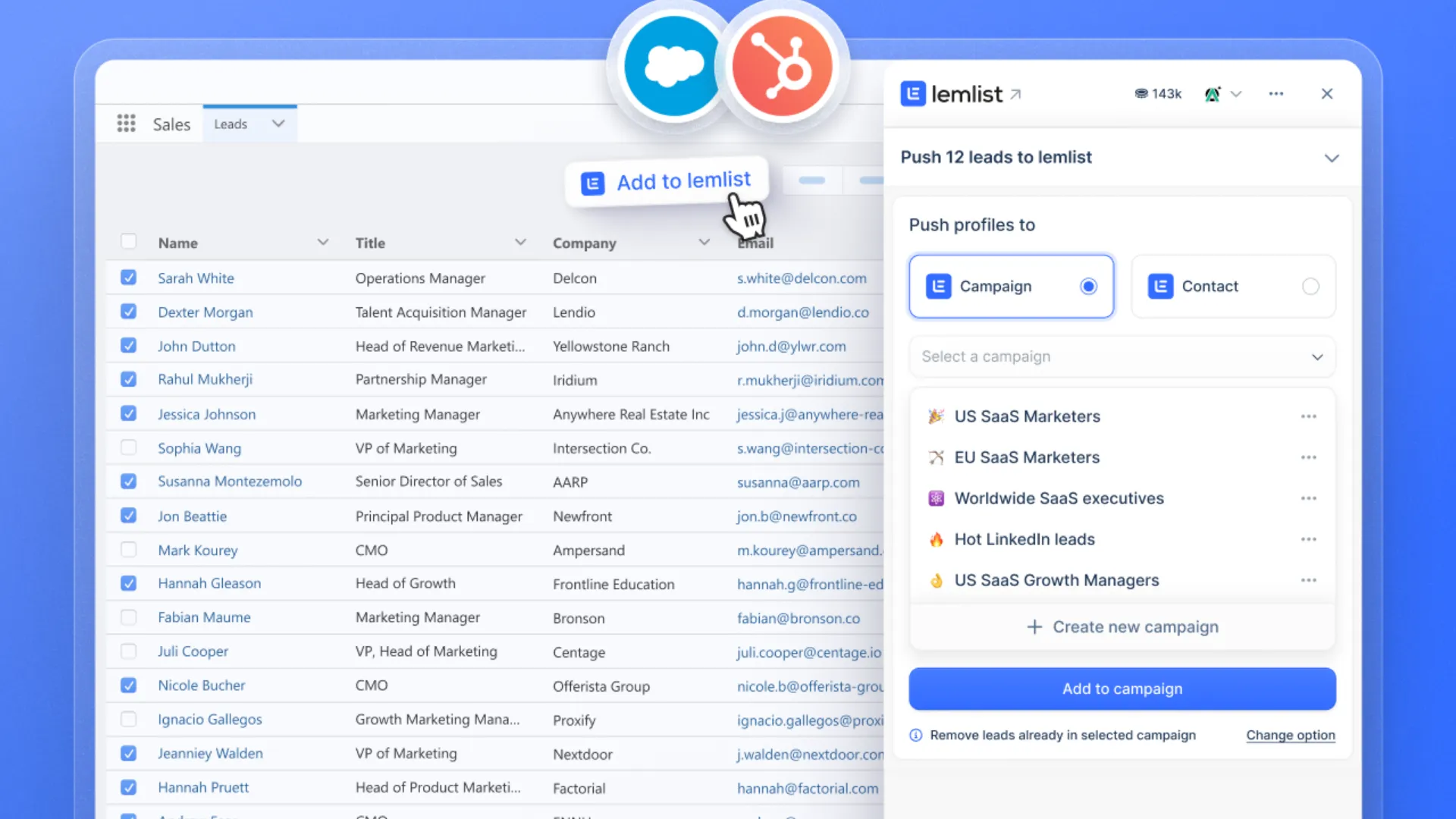
Lemlist built its reputation around one specific idea.
Cold outreach does not have to feel robotic.
At a time when many outbound emails looked nearly identical, Lemlist focused heavily on creativity, personalization, and visually engaging prospect communication.
That positioning helped the platform stand out quickly among SMB sales teams, agencies, consultants, and founders handling outbound prospecting themselves.
And even now, Lemlist still occupies a very unique position in the sales sequencing category.
Most sales engagement platforms optimize heavily around workflow scale and operational efficiency.
Lemlist prioritizes human feeling outreach experiences.
The platform became especially well known for visual personalization.
Users can create:
• Dynamic images
• Personalized screenshots
• Video thumbnails
• Custom landing pages
• Interactive outreach elements
These capabilities help outbound messaging feel more tailored and attention grabbing inside crowded inboxes.
For many SMB teams, that creative flexibility improves engagement rates significantly compared to standard text only outbound sequences.
The platform also supports semi automated LinkedIn workflows, which appeals strongly to smaller outbound teams wanting more multichannel functionality without investing in larger enterprise systems.
Lemwarm, the built in email warmup product, is another useful addition.
Deliverability has become increasingly difficult for smaller outbound teams managing multiple sending domains. Including warmup directly inside the platform reduces operational complexity for less technical users.
Where Lemlist starts showing limitations is scalability.
The platform works exceptionally well for:
• Small outbound teams
• Freelance consultants
• Agency prospecting
• Founder led sales
• Creative outbound campaigns
But larger SDR organizations often outgrow it operationally.
Analytics depth remains relatively lightweight compared to enterprise sales cadence tools.
The AI layer is functional but not especially sophisticated.
Phone workflows remain limited.
And while the contact database claims large coverage, many high scale outbound teams eventually supplement it with stronger enrichment infrastructure.
Still, Lemlist deserves enormous credit for pushing the industry toward more human outreach design.
A lot of modern outbound personalization trends gained traction because platforms like Lemlist proved buyers respond better to creative communication than rigid template spam.
For SMB teams wanting affordable, visually engaging outbound sequencing software with approachable workflows, Lemlist remains one of the strongest options in the category.
7. Outreach: Best for Enterprise Teams
Yes, Outreach appears twice in many sales sequencing conversations because the platform occupies two different narratives simultaneously.
One narrative focuses on innovation slowdown.
The other focuses on enterprise operational dominance.
And both are true.
For very large sales organizations, Outreach still solves problems many smaller sequencing tools simply cannot handle reliably.
Enterprise revenue operations become incredibly complicated once organizations scale beyond a few dozen reps.
At that level, sales leaders care deeply about:
• Permission structures
• Workflow governance
• CRM consistency
• Forecast visibility
• Team segmentation
• Reporting standardization
• Compliance controls
Outreach handles these operational realities extremely well.
That is one reason massive enterprise sales organizations continue renewing contracts despite increasing competition from newer platforms.
The reporting infrastructure is still among the strongest in the category.
Revenue leaders can monitor:
• Sequence performance
• Rep productivity
• Pipeline progression
• Engagement velocity
• Forecast trends
• Team level benchmarking
Across very large distributed sales organizations.
The platform also integrates deeply with Salesforce environments, which matters enormously for enterprises heavily invested in Salesforce based revenue infrastructure.
Another advantage is reliability at scale.
Some lightweight sales automation platforms work well with 10 or 20 reps but struggle operationally once hundreds of users enter the system simultaneously.
Outreach built much of its reputation around enterprise grade operational consistency.
The downside is complexity.
Smaller organizations often underestimate how much operational management enterprise sequencing software requires.
Dedicated admins become necessary.
Implementation projects become lengthy.
Training requirements increase.
Workflow maintenance expands continuously over time.
For SMBs, that overhead often feels excessive relative to actual business needs.
That is why many mid market teams increasingly choose lighter weight sales engagement platforms with faster onboarding and simpler operational models.
But if you are running a large enterprise sales organization with complex reporting structures and mature RevOps infrastructure, Outreach still remains one of the strongest enterprise sales cadence tools available.
8. Reply.io: Best for AI Driven Multichannel Sequences
Reply.io built much of its market position around accessibility.
The platform tries to make advanced outbound sequencing approachable for teams that do not have massive SDR operations or dedicated sales enablement departments.
That positioning helped it become especially popular among startups, agencies, and lean outbound teams needing automation support quickly.
One of Reply.io’s biggest strengths is AI assisted sequence creation.
A lot of smaller teams struggle with outbound messaging because they lack experienced copywriters or sales enablement support.
Reply.io tries to reduce that problem with built in AI writing workflows.
Reps can generate:
• Cold email drafts
• Subject lines
• Follow up variations
• Sequence structures
• Personalization suggestions
Fairly quickly.
The AI outputs still benefit from editing, but the system helps teams move much faster than starting from blank pages every time.
This becomes especially valuable for small outbound teams managing large prospect volumes without dedicated content support.
Another strong area is multichannel workflow flexibility.
Reply.io supports combinations of:
• Email
• Calls
• LinkedIn touches
• SMS
• WhatsApp
Inside unified outbound sequences.
That matters because modern sales sequence best practices increasingly depend on coordinated multi touch outreach rather than repetitive cold email chains.
The send time optimization features are also genuinely useful.
The platform analyzes engagement behavior to determine when prospects are most likely to interact with outreach, helping improve open rates and response timing.
For lean outbound teams, these optimization systems create measurable efficiency gains without requiring heavy operational oversight.
Where Reply.io becomes more controversial is LinkedIn automation.
The platform relies heavily on browser based extension workflows rather than fully cloud native execution.
That creates additional risk considerations because LinkedIn continues aggressively monitoring automation behavior.
Some teams are comfortable with that tradeoff.
Others prefer safer cloud based orchestration models.
The phone functionality is also less sophisticated compared to dedicated dialing platforms like Trellus.
Calling workflows are functional but not especially advanced operationally.
Still, Reply.io remains one of the strongest mid market sales engagement platforms for teams wanting:
• AI assisted outbound workflows
• Affordable multichannel sequencing
• Faster campaign creation
• Strong CRM flexibility
• Lightweight onboarding
It strikes a practical balance between affordability, automation depth, and usability that appeals strongly to growing outbound organizations.
9. HubSpot Sales Hub: Best for CRM Ecosystems
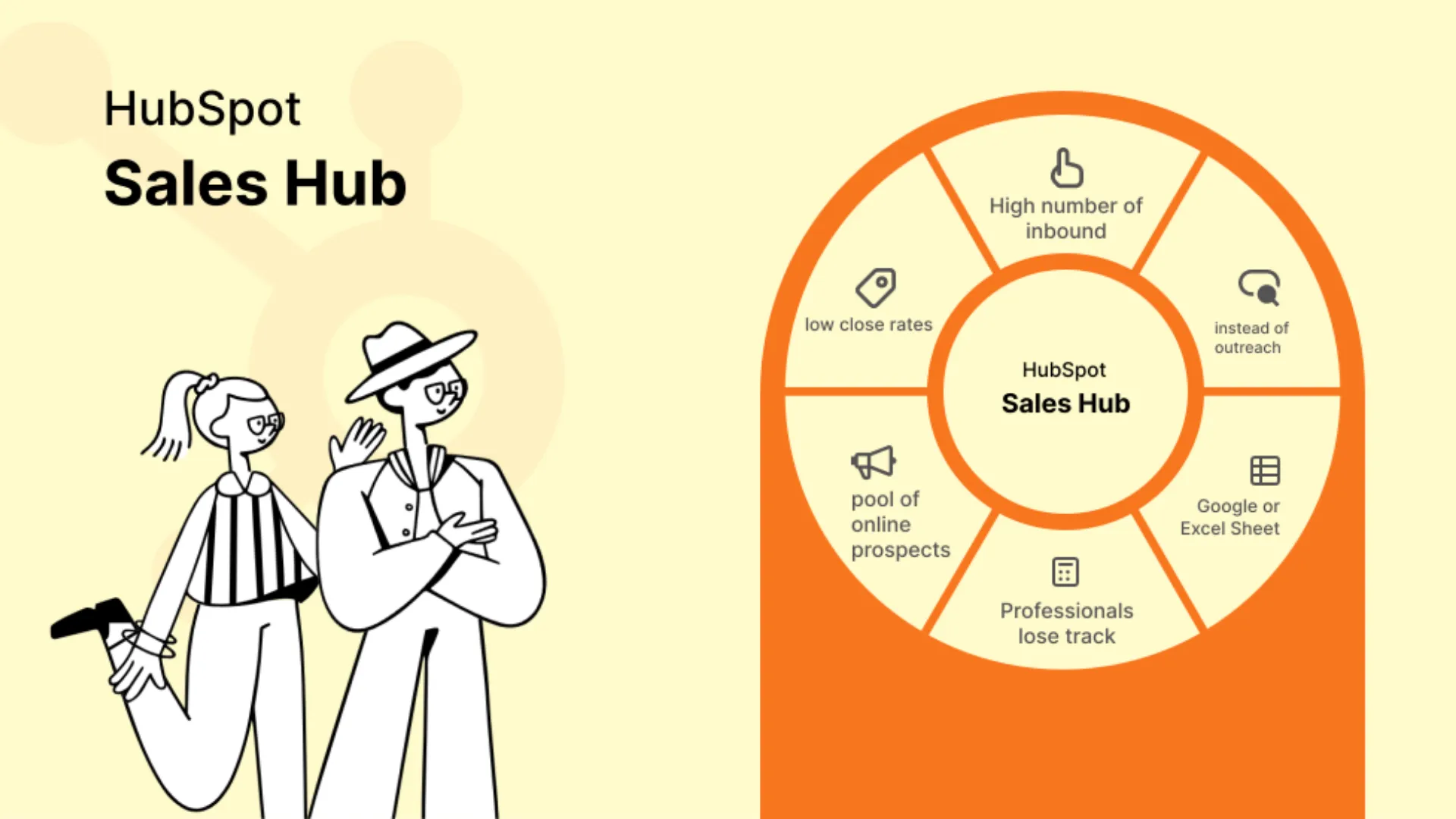
HubSpot Sales Hub makes the most sense when viewed as part of a larger ecosystem rather than as a standalone outbound sequencing platform.
That difference matters.
A lot of companies evaluating sales sequencing tools focus entirely on outbound functionality and overlook how deeply integrated workflows affect long term operational efficiency.
HubSpot’s biggest advantage is ecosystem continuity.
Marketing, CRM activity, customer support, automation workflows, attribution reporting, and sales outreach all exist inside one connected environment.
That creates enormous operational simplicity for companies already invested heavily in HubSpot infrastructure.
For example, sales reps can immediately see:
• Which marketing emails prospects opened
• Which pages prospects visited
• Which forms they submitted
• Which webinars they attended
• Which campaigns generated the lead
Without switching between disconnected systems.
That context helps outbound communication feel significantly more informed and relevant.
The CRM synchronization is naturally excellent because the sequencing tools are native to the ecosystem itself.
Activity logging, lead routing, contact updates, and reporting all function smoothly without requiring extensive middleware configuration.
This reduces operational friction substantially for growing teams.
HubSpot also performs well for inbound heavy organizations where marketing and sales alignment matters heavily.
A lot of dedicated outbound prospecting software platforms focus almost entirely on cold outreach workflows.
HubSpot focuses more broadly on customer journey continuity.
That makes it especially effective for:
• SaaS companies with inbound funnels
• Marketing driven revenue organizations
• Mid market B2B teams
• Customer lifecycle oriented businesses
• Organizations prioritizing unified reporting
The downside is sequencing sophistication.
Compared to advanced outbound sequencing software, HubSpot’s sequence builder feels relatively lightweight.
Complex multichannel orchestration, advanced AI workflows, signal based prospecting, and deep outbound automation are not the platform’s strongest areas.
Pricing escalation is another concern.
The free and lower tier plans provide strong value.
But once companies move into Professional and Enterprise tiers, costs rise quickly.
Some organizations also feel operationally locked into the ecosystem over time because so many workflows become centralized inside HubSpot infrastructure.
Still, for businesses already committed to HubSpot CRM and marketing workflows, Sales Hub remains one of the most operationally efficient sales automation platforms available.
The simplicity of unified customer data creates enormous value internally.
10. Mixmax: Best for Gmail Native Workflows
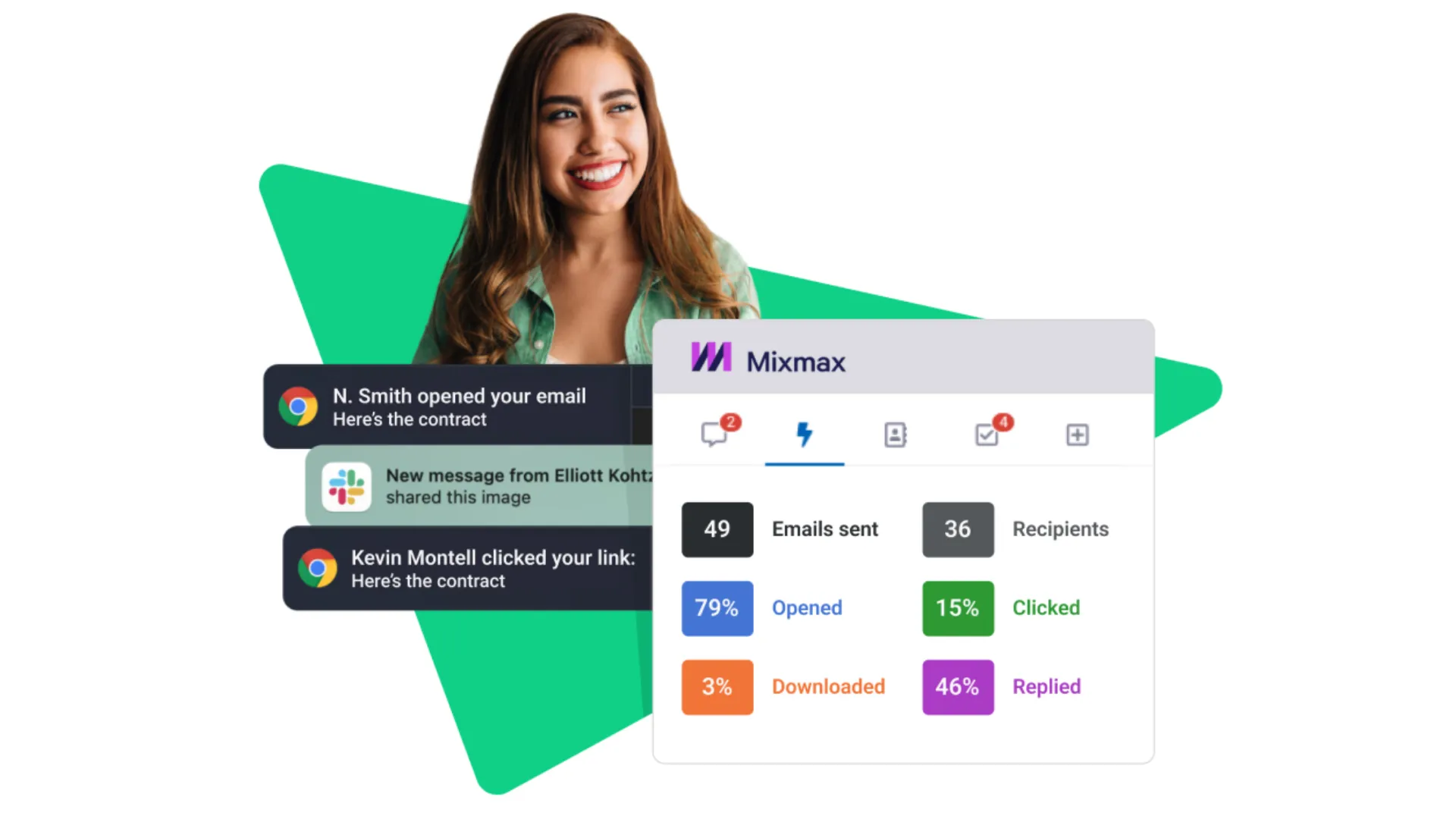
Mixmax succeeded because it recognized something many enterprise platforms ignored.
A lot of sales reps do not want another complicated system.
They want better workflows inside tools they already use every day.
That philosophy shaped the entire product.
Unlike large standalone sales engagement platforms, Mixmax operates primarily inside Gmail. The experience feels more like enhancing your existing inbox rather than forcing reps into an entirely new operational environment.
That creates one major advantage immediately.
Adoption becomes dramatically easier.
Many sales teams struggle with sequencing platform adoption because reps resist learning complex new interfaces. Mixmax removes much of that friction because the workflows stay directly connected to existing Gmail habits.
For smaller teams especially, this simplicity matters more than feature depth.
The platform handles core sequencing tasks well:
• Email sequences
• Templates
• Meeting scheduling
• Open tracking
• Link tracking
• Follow up automation
• Calendar coordination
And all of it remains tightly integrated inside Gmail.
The meeting scheduler is especially strong.
Recipients can instantly view availability and book meetings directly through email interactions, reducing scheduling friction substantially.
For many SDR teams, this alone improves meeting conversion rates noticeably.
Mixmax also performs well for founder led sales environments.
Founders and smaller outbound teams often prioritize speed and usability over massive operational complexity. Mixmax helps them launch structured outreach quickly without needing RevOps specialists or lengthy onboarding.
Where the platform becomes more limited is multichannel depth.
Compared to more advanced sales cadence tools, Mixmax remains heavily email centric.
Phone workflows are limited.
LinkedIn orchestration is minimal.
Advanced AI personalization remains lightweight.
Analytics depth also falls behind enterprise sequencing systems.
This means larger outbound organizations eventually outgrow the platform once workflow complexity increases.
Still, Mixmax continues serving an important segment extremely well:
• Gmail centric teams
• Founder led outbound
• Small SDR teams
• Fast moving startups
• Organizations prioritizing ease of use
Not every company needs enterprise grade sales automation infrastructure.
Some simply need cleaner outbound execution without operational overload.
That is exactly where Mixmax performs best.
11. Klenty: Best for Affordable Mid Market Teams
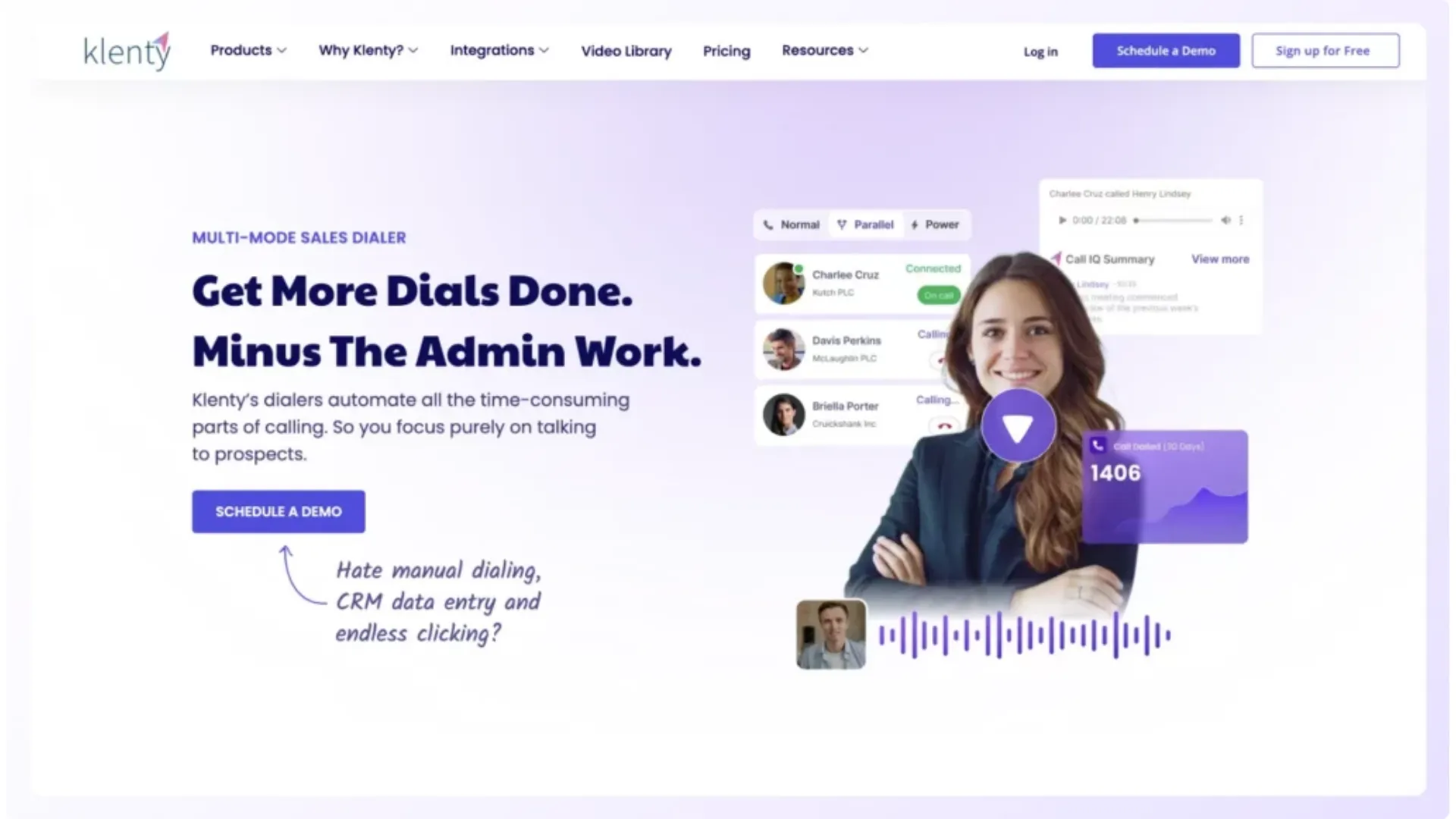
Klenty occupies one of the most practical positions in the sales sequencing category.
It sits directly between lightweight SMB tools and massive enterprise platforms.
And honestly, that middle ground is where many growing outbound teams operate.
A lot of companies outgrow simple email sequencing tools fairly quickly.
But they also do not want the cost, implementation burden, and operational complexity that comes with enterprise sales engagement platforms like Outreach or Salesloft.
Klenty solves that gap surprisingly well.
The platform provides genuine multichannel sequencing functionality without forcing organizations into massive enterprise contracts or complicated deployments.
Teams can coordinate:
• Email outreach
• Calls
• LinkedIn tasks
• SMS workflows
Inside unified sales cadences relatively easily.
That makes the platform appealing for mid market outbound organizations trying to scale prospecting operations while maintaining manageable software costs.
CRM flexibility is another major strength.
Klenty integrates cleanly across:
• Salesforce
• HubSpot
• Pipedrive
• Zoho
• Microsoft Dynamics
That flexibility matters because many mid market teams operate across mixed CRM environments rather than fully standardized enterprise stacks.
The local presence dialing capabilities are also useful operationally.
Displaying localized phone numbers during outbound calls can materially improve connect rates, especially for SDR teams heavily focused on cold calling performance.
Another area where Klenty performs well is onboarding simplicity.
Many mid market sales teams lack dedicated RevOps infrastructure.
They need tools reps can adopt quickly without weeks of configuration and training.
Klenty’s workflows remain relatively approachable compared to heavier enterprise systems.
That operational simplicity often creates faster time to value.
Where Klenty shows limitations is sophistication at scale.
Conversation intelligence capabilities remain lighter compared to enterprise competitors.
AI functionality is useful but not especially advanced.
Analytics depth also becomes less competitive once organizations scale into very large outbound operations.
Deliverability tooling exists but lacks the sophistication of more advanced outbound sequencing software focused heavily on infrastructure management.
Not Recommended Products
Not every tool marketed as outbound sequencing software deserves serious consideration in 2026.
Some platforms create unnecessary operational risk, weak infrastructure problems, or scalability limitations that become painful very quickly once outbound volume increases.
Here are three products many teams should approach carefully.
Snov.io
Snov.io performs reasonably well for lightweight prospecting and basic cold email outreach.
The problem is scalability.
As outbound operations mature, the platform starts feeling operationally thin compared to stronger sales engagement platforms.
Deliverability infrastructure remains limited.
Multichannel orchestration lacks depth.
Analytics and reporting become restrictive.
And CRM synchronization workflows often feel less reliable than competitors targeting more serious outbound environments.
For freelancers or very small outbound teams, the platform may still feel usable.
For scaling SDR organizations, most teams outgrow it quickly.
Smartlead.ai
Smartlead.ai gained popularity largely through aggressive cold email automation positioning.
The platform performs reasonably well for high volume email sending.
But many teams eventually encounter problems around workflow maturity, operational visibility, and multichannel orchestration.
The biggest issue is that the platform feels heavily optimized around volume rather than broader outbound workflow quality.
That creates limitations for teams wanting coordinated:
• Calling workflows
• LinkedIn orchestration
• CRM intelligence
• Revenue visibility
• Team management controls
Deliverability tooling is solid, but the broader sales cadence optimization ecosystem feels incomplete compared to stronger sequencing platforms.
Prospeo.io
Prospeo.io focuses heavily on lead generation and email finding rather than full outbound sequencing infrastructure.
That creates a mismatch for teams expecting complete sales pipeline automation tools.
The prospecting functionality can help early stage outbound teams source contacts.
But the sequencing environment itself lacks the operational maturity required for larger SDR organizations.
The platform feels more like a prospecting utility layered with light sequencing functionality than a complete outbound execution system.
As outbound complexity increases, most teams eventually migrate toward stronger integrated sales engagement platforms with deeper workflow orchestration capabilities.
Putting It All Together
Sales sequencing has changed dramatically over the last few years.
What used to be a simple series of automated follow up emails has evolved into a much broader outbound operating system involving AI personalization, buying signals, deliverability infrastructure, conversation intelligence, and coordinated multichannel communication.
That shift matters because buyers have changed.
Prospects are harder to reach, inbox competition is far more aggressive, and generic outreach gets filtered mentally almost instantly. High performing outbound teams now rely heavily on sequencing systems capable of maintaining relevance across every touchpoint without overwhelming prospects with robotic automation.
That is why choosing the right sales sequencing tools matters far more in 2026 than it did even a few years ago.
FAQs
Are email sequence tools the same as email marketing tools?
No, they serve very different purposes despite both involving automated email workflows.
Email marketing platforms are designed primarily for large audience communication. Their focus is newsletters, promotional campaigns, customer nurturing, and broad audience segmentation.
Sales sequencing tools focus on outbound prospecting and one to one sales engagement.
Modern sales engagement platforms coordinate personalized outreach across:
• Cold emails
• Calls
• LinkedIn touches
• SMS
• Follow up workflows
The goal is booking meetings and generating pipeline rather than running mass marketing campaigns.
That is why outbound sequencing software usually includes CRM syncing, lead tracking, conversation intelligence, and rep activity management features that traditional email marketing systems lack.
How do email sequence tools work?
Email and call sequencing tools automate structured follow up workflows for outbound sales teams.
A rep creates a sequence containing multiple touchpoints scheduled across days or weeks.
For example:
Day 1, personalized cold email
Day 3, follow up email
Day 5, cold call task
Day 8, LinkedIn connection request
Day 12, objection handling email
The platform automatically schedules and tracks these activities while monitoring prospect engagement.
Modern sales automation platforms also support:
• AI personalization
• Send time optimization
• Reply detection
• CRM synchronization
• Deliverability management
• Multichannel coordination
This helps SDRs manage far larger prospect volumes while maintaining follow up consistency.
How many emails should be in a sequence?
Most outbound sales sequences perform best between 4 and 8 emails spread across multiple channels.
The exact number depends heavily on:
• Industry
• Deal size
• Buyer seniority
• Sales cycle complexity
• Channel mix
• Personalization quality
Enterprise B2B sales often require longer sequences because buying decisions involve multiple stakeholders and longer evaluation cycles.
SMB outbound motions may require fewer touches but higher personalization speed.
One of the most effective sales sequence best practices is balancing persistence with relevance.
Too few touchpoints reduces visibility.
Too many repetitive emails create fatigue and unsubscribe risk.
High performing teams usually combine emails with:
• Calls
• LinkedIn engagement
• SMS reminders
• Social interaction
Rather than relying exclusively on email volume.
Are email sequence tools free?
Some sales sequencing tools offer free plans or trial tiers, but most serious outbound platforms eventually require paid subscriptions.
Free tools usually include limited:
• Prospect volume
• Email sends
• CRM syncing
• Automation workflows
• Reporting features
For small startups or founder led outbound efforts, lightweight free tools may work temporarily.
But scaling outbound prospecting typically requires paid sales cadence tools with stronger infrastructure and automation depth.
Pricing varies significantly across the category.
Basic SMB tools may cost under $50 per user monthly.
Enterprise sales engagement platforms often exceed several thousand dollars annually per rep once advanced functionality and data subscriptions are included.
What’s the difference between email sequences and email campaigns?
Email campaigns are generally broad audience broadcasts sent to many recipients simultaneously.
Examples include:
• Product announcements
• Marketing newsletters
• Webinar promotions
• Promotional offers
Sales sequences are structured outreach workflows designed for individualized prospect engagement.
Sequences adapt based on prospect behavior and often include multiple channels.
For example:
• A prospect replying positively may exit the sequence automatically
• A prospect opening emails repeatedly may trigger call prioritization
• A prospect ignoring outreach may receive different messaging later
Modern outbound prospecting software focuses heavily on this behavior driven workflow orchestration.
That level of personalization is what separates sales sequencing from traditional bulk email campaigning.
What are sales sequencing tools?
Sales sequencing tools are software platforms that automate and manage outbound sales outreach across multiple touchpoints.
They help SDRs and sales teams coordinate:
• Cold emails
• Follow up emails
• Calls
• LinkedIn interactions
• SMS communication
• Task reminders
Inside structured sales cadences.
The best sales sequencing tools also provide analytics, CRM synchronization, AI personalization, deliverability management, and conversation intelligence features.
These systems help sales teams maintain consistent outreach while scaling prospecting efficiency significantly.


Power and parallel dialing in your CRM.