Our Top Picks


Sales today feels a lot different than it did even a few years ago. Buyers are sharper, inboxes are noisier, and timing matters more than ever. That’s exactly why so many teams are turning toward sales engagement platforms to stay competitive.
Think of your CRM as the memory of your business. It stores everything. But memory alone does not close deals. Action does. That’s where sales engagement software comes in. It turns your stored data into conversations, follow ups, and ultimately revenue.
This breakdown walks through the top sales engagement platforms, what they’re good at, and how to choose the right fit without getting overwhelmed.
What Makes Sales Engagement Platforms So Valuable These Days?

Before jumping into the tools, it helps to understand why these platforms have become such a big deal.
A solid sales engagement platform comparison always comes back to one thing, execution. Most sales teams don’t struggle with what to do, they struggle with doing it consistently at scale.
Modern sales engagement tools fix that gap in a few key ways:
- They centralize communication so reps are not switching between tools all day
- They automate repetitive tasks like follow ups and logging activity
- They provide real time signals like email opens or link clicks
- They keep CRM data clean without manual entry
This combination directly impacts sales productivity and helps teams move faster without sacrificing personalization.
What Is a Sales Engagement Platform?
If you're not familiar with a sales engagement platform, then from a cursory perspective, you should know that:
- These platforms are online solutions that work, in combination, with whatever existing CRM, sales pipeline and outreach software you have in place. The term: "sales engagement" calls for an overall AIO enablement experience where different people can work independently, and also, together, towards a bigger goal.
Ultimately, the idea is to increase business revenue, conversions and overall scalability to sustain the sales model in place.
Key Takeaways:
1. Execution Beats Features Every Time
Sales engagement platforms win not because of what they offer, but because they help teams execute consistently at scale. The real value is in turning CRM data into timely, personalized actions that actually move deals forward.
2. Simplicity vs. Power Is the Core Tradeoff
Tools like Salesloft and Outreach offer deep analytics and control, but come with complexity and overhead. Simpler platforms like HubSpot Sales Hub or Apollo.io prioritize ease of use and faster adoption. The right choice depends on your team’s structure and resources.
3. True Cost Goes Beyond Pricing
The biggest cost is not just the subscription, it’s time, adoption, and operational friction. Platforms that require heavy setup, training, or workflow disruption can quietly reduce productivity, while intuitive tools often deliver faster ROI even with fewer “enterprise” features.
The Best Sales Engagement Platforms (2026 Edition)
Let’s get into the platforms that are worth your attention.
Trellus: The Best Sales Engagement Software With an AIO Experience
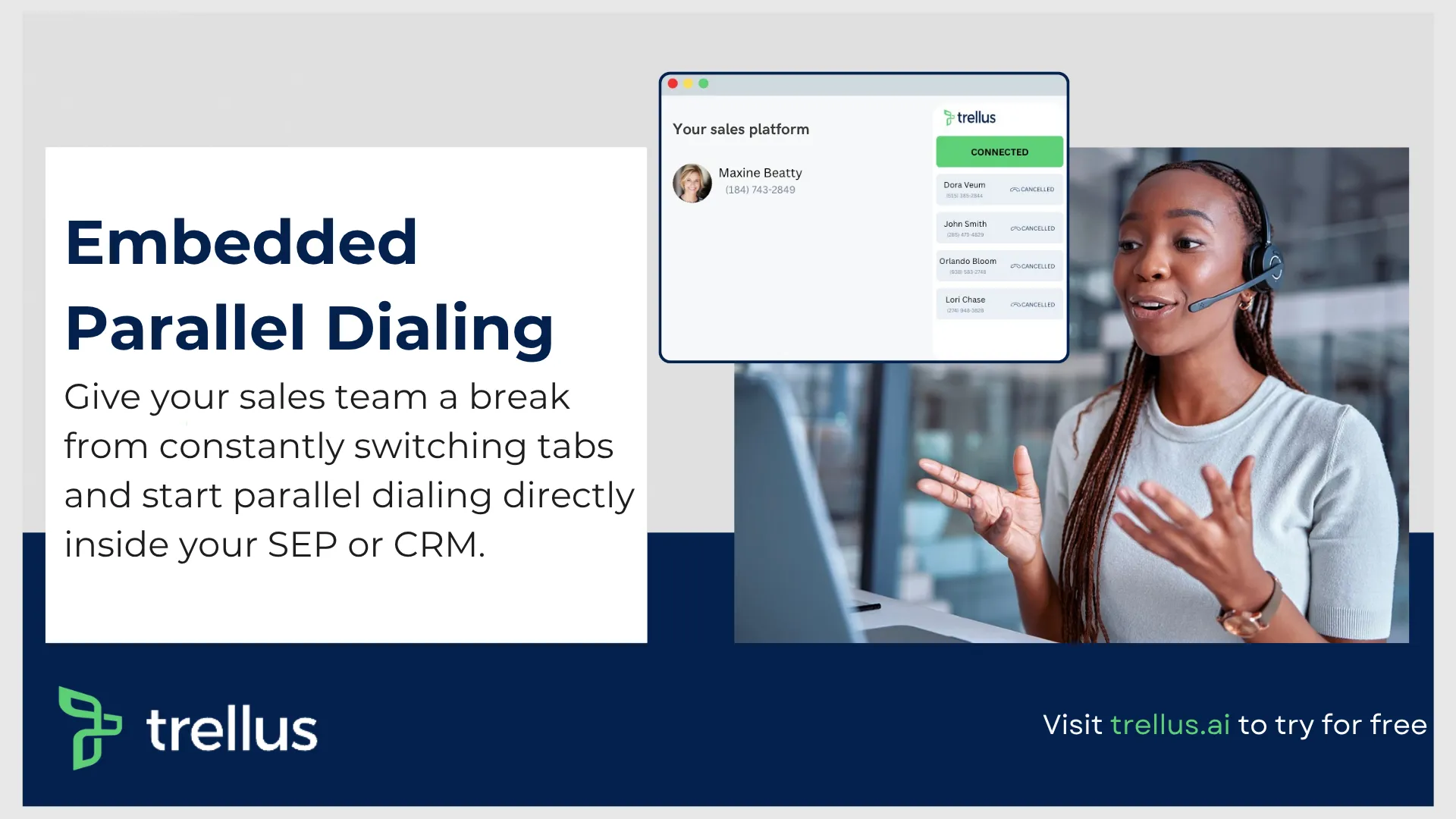
Best For: Startups and mid-sized teams that want a lightweight, workflow-first tool with fast adoption and minimal complexity.
If you want something that feels natural to use from day one, this is where most teams start.
What makes Trellus stand out among the best sales engagement platforms is how it fits directly into your workflow instead of forcing you to adapt to it. A lot of tools pull reps into a completely separate system. This one keeps things simple and focused on action.
It connects cleanly with your CRM and turns your inbox into a true command center. That means less tab switching and more time talking to prospects.
Here’s where it really shines:
- Native workflow experience
Everything happens where your reps already work, so there’s almost no learning curve. Adoption tends to be much faster compared to heavier platforms. - Automation without complexity
You can build sequences, follow ups, and outreach flows without needing a full operations team to manage it. - Real time engagement insights
Reps can see when prospects interact with emails and act at the right moment, which improves response rates. - Clean CRM syncing
Activity logging happens automatically, which keeps your data accurate without extra effort.
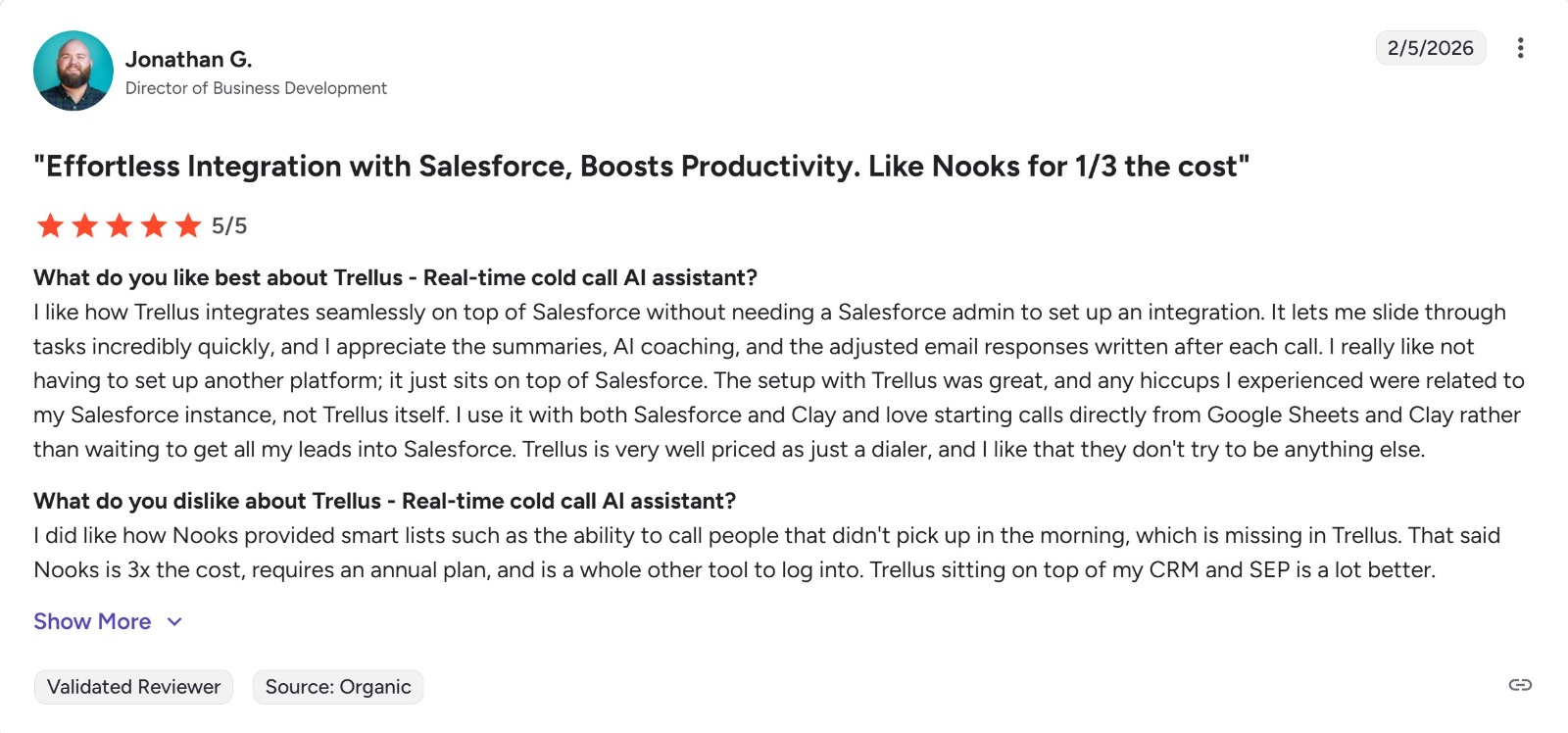
This makes it a strong choice for teams that want efficiency without dealing with bloated systems. It works especially well for startups and mid sized teams focused on sales acceleration.
Salesloft
Best For: Larger sales organizations that need structured workflows, coaching, and full pipeline visibility across teams.
Salesloft is one of the more established names in the sales engagement software space, and it shows in how comprehensive the platform feels.
It positions itself as a full revenue workflow system, not just an outreach tool. That means it tries to cover everything from prospecting to forecasting in one place.
Where Salesloft delivers:
- End to end workflow coverage
It supports cadences, conversation tracking, pipeline visibility, and forecasting in a single platform. - Strong automation engine
Tasks like importing leads, assigning sequences, and tracking engagement are handled efficiently. - Team level visibility
Managers get clear insights into rep performance and pipeline health.
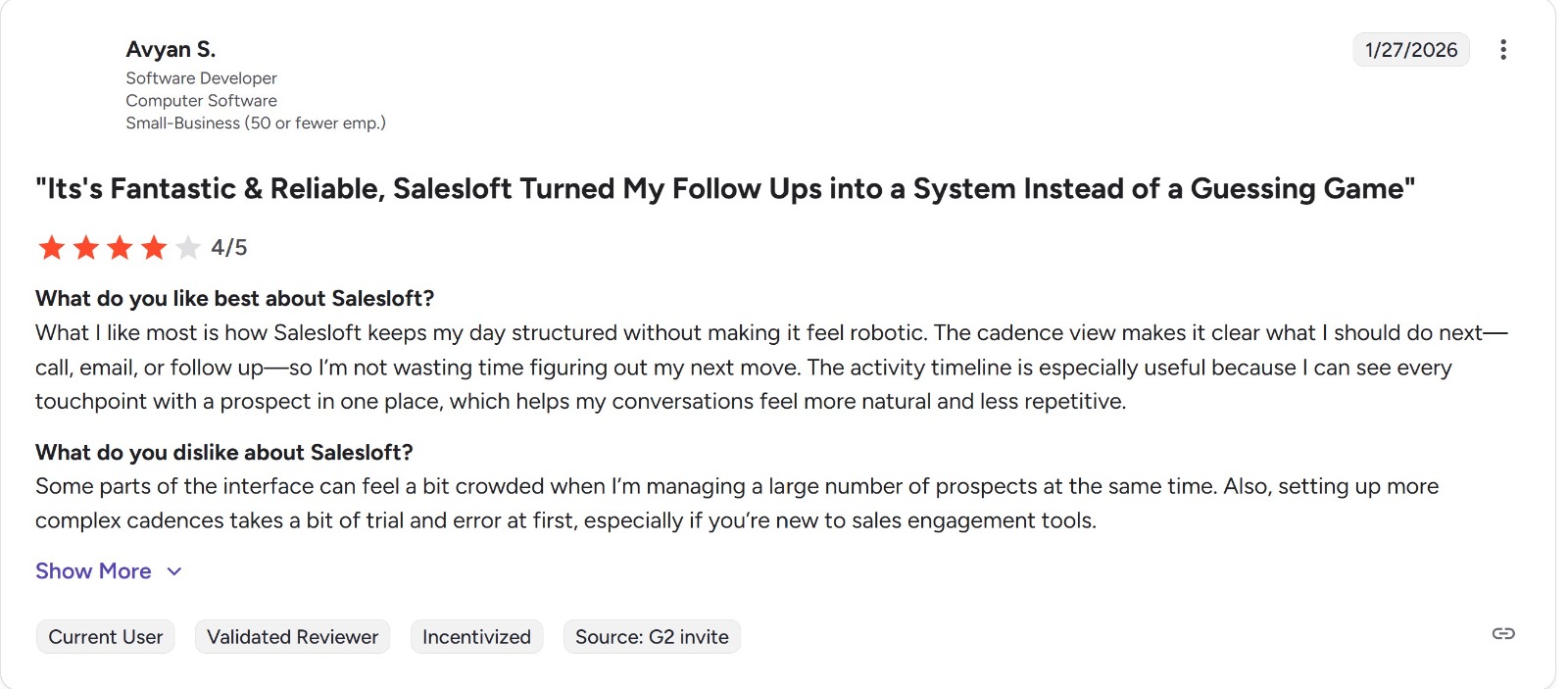
That said, all that power can come with complexity. Teams sometimes need time and training to fully unlock its capabilities. It’s ideal for organizations that want an all in one sales platform and have the resources to support it.
Outreach
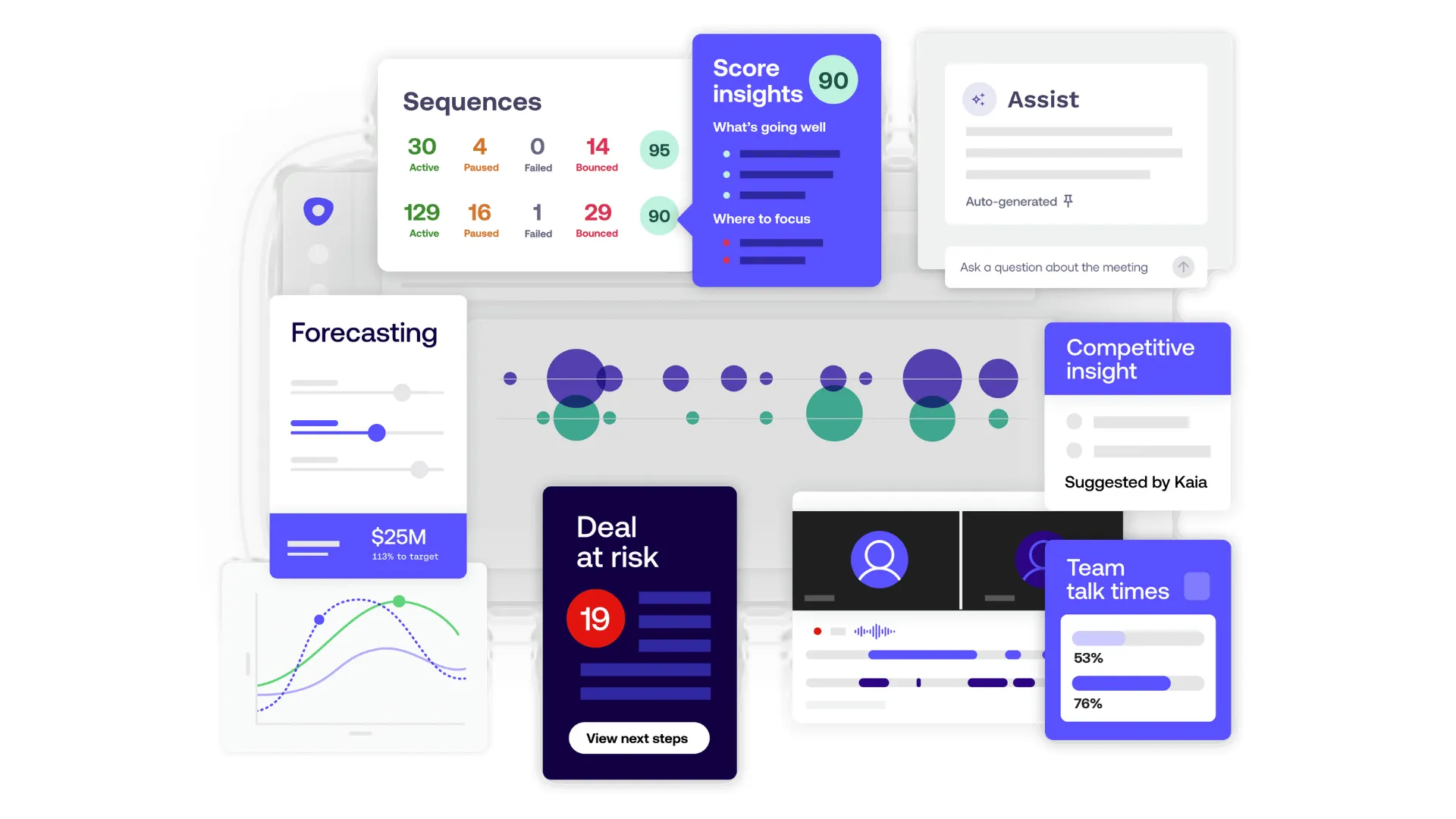
Best For: Enterprise teams that rely heavily on data, analytics, and AI-driven optimization to manage high-volume outreach.
Outreach is built for scale. If Salesloft is comprehensive, Outreach is deeply analytical.
It is widely used by enterprise sales teams that rely heavily on data to drive decisions.
Here’s what defines Outreach:
- Advanced analytics and reporting
It tracks metrics like win rates, deal velocity, and engagement performance at a granular level. - AI driven recommendations
The platform suggests next steps and optimizations based on data patterns. - Scalable workflows
Designed for large teams managing high volumes of outreach.
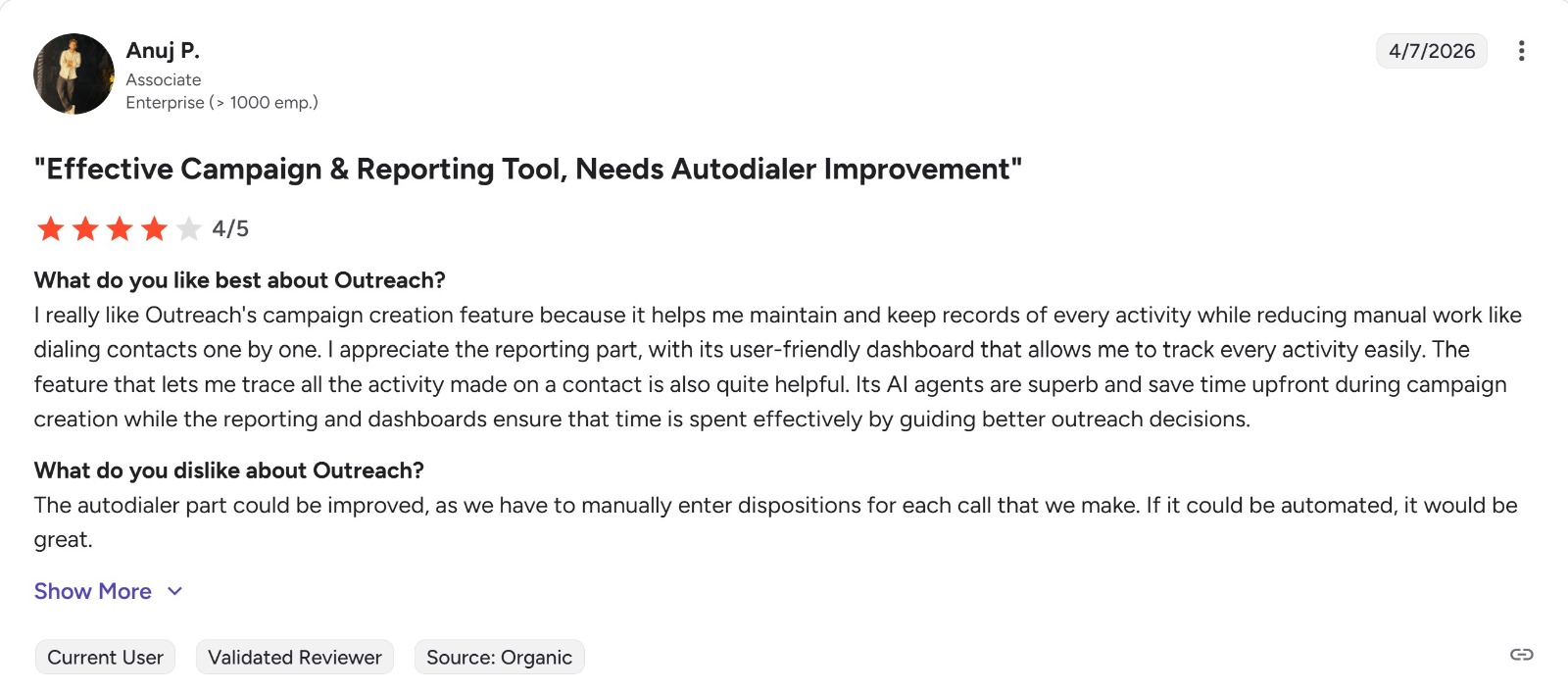
Because of its depth, Outreach works best for companies with structured processes and dedicated RevOps support. It is less about simplicity and more about precision and control.
HubSpot Sales Hub
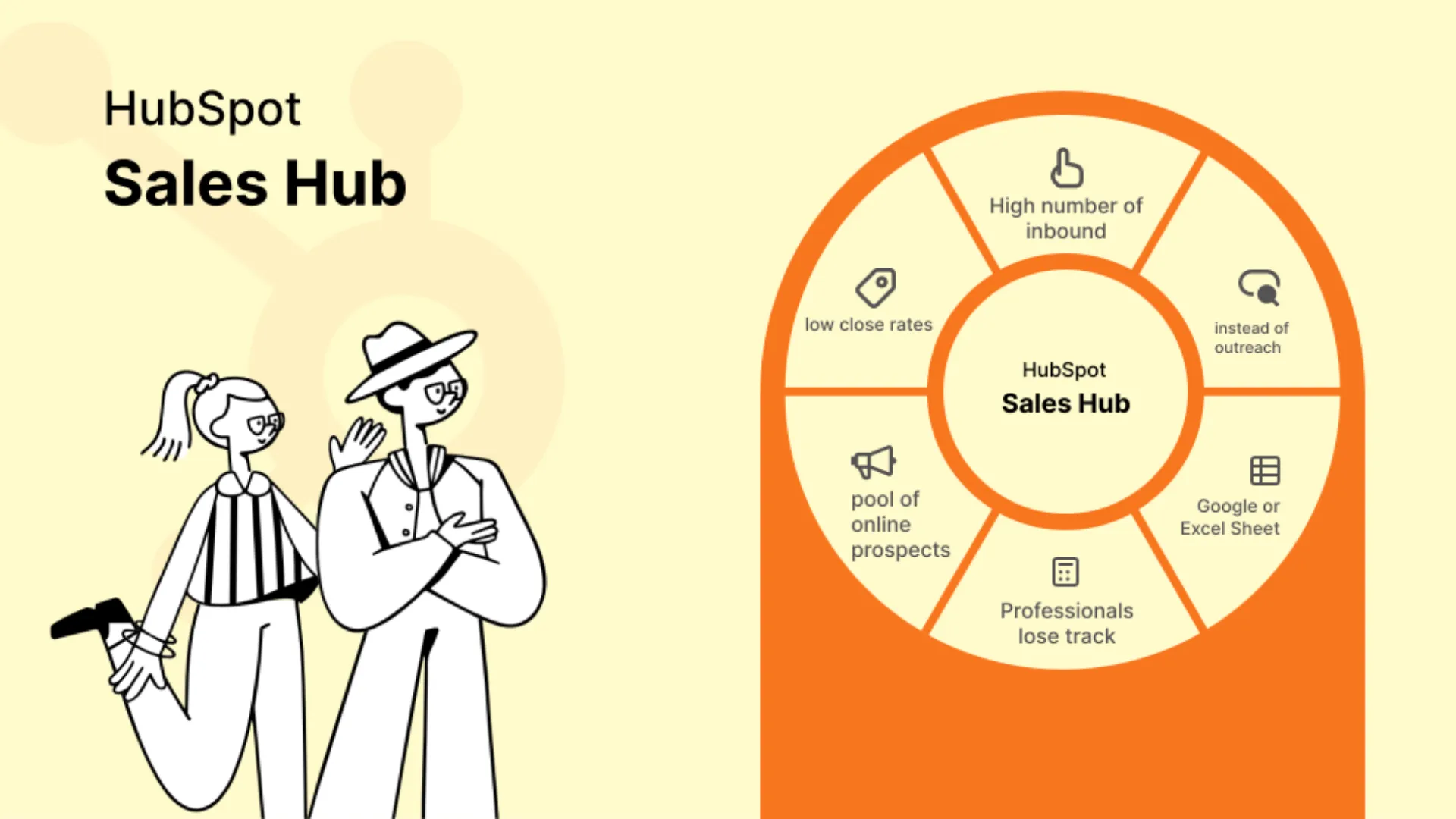
Best For: Teams already using HubSpot who want an all-in-one, easy-to-manage system without stitching together multiple tools.
For teams already in the HubSpot ecosystem, this is often the easiest choice.
What makes it appealing is how naturally everything fits together. Instead of connecting multiple tools, you get engagement features built directly into your CRM.
Key strengths include:
- Seamless CRM integration
Every email, call, and interaction is automatically logged. - User friendly interface
Reps can get started quickly without heavy onboarding. - All in one environment
Marketing, sales, and service data live in one place.
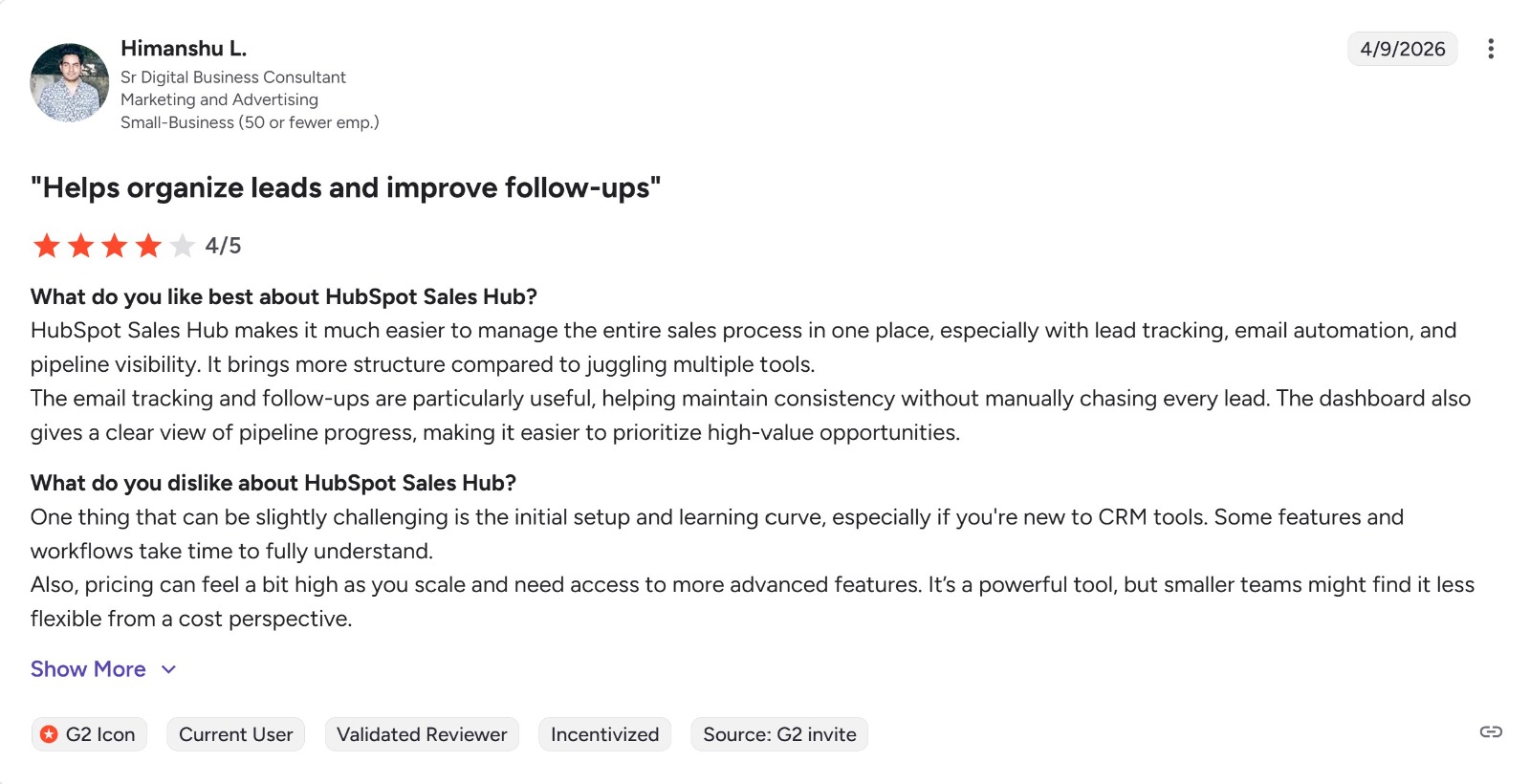
This platform is ideal for teams that value simplicity and want to avoid managing multiple systems. It may not be as specialized as other sales engagement tools, but it offers a very balanced experience.
Apollo.io
Best For: Teams focused on prospecting and pipeline generation with built-in data and outreach in a single platform.
Apollo takes a slightly different angle by combining prospect data with engagement tools.
For many teams, the hardest part of sales is not outreach, it is finding the right people to contact. Apollo addresses that directly.
What stands out:
- Large B2B contact database
You can build highly targeted lead lists with detailed filters. - Built in outreach tools
Email, calls, and LinkedIn actions can all be managed inside the platform. - Data enrichment
It improves the quality of your CRM records automatically.
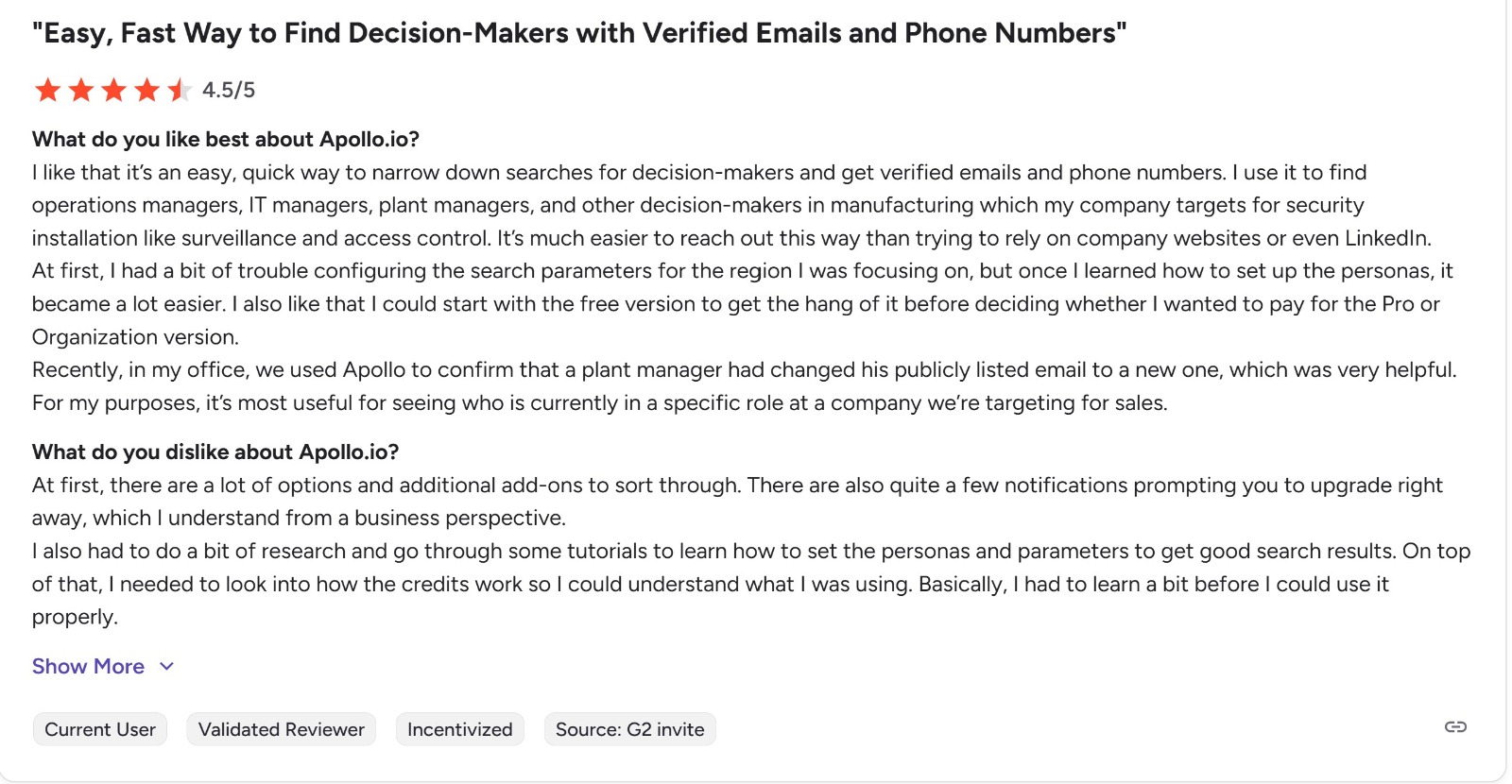
This makes Apollo a strong option for teams focused on sales enablement and pipeline generation. It blends prospecting and engagement into one workflow.
Choosing the Right Platform Comes Down to Fit
After looking at this sales engagement platform comparison, one thing becomes clear. There is no universal best option, only the best fit for your team.
Some platforms prioritize simplicity and speed. Others lean into analytics and scale. The right choice depends on how your team works day to day.
Pricing, Limitations, and What Matters Basically in a Sales Engagement Platform
Once you get past the feature lists and polished demos, the real decision usually comes down to two things, cost and practicality. This is where many teams get surprised. On paper, most sales engagement platforms look similar. In reality, the experience, pricing structure, and long term usability can feel completely different.
Let’s break this down in a way that helps you make a confident decision.
Pricing: Why It’s Harder to Compare Than It Should Be
One of the frustrating parts of any sales engagement platform comparison is that pricing is rarely transparent, especially with enterprise focused tools.
Platforms like Salesloft and Outreach usually require you to go through demos and sales calls before you get a number. This is not random. Pricing is often customized based on team size, feature requirements, and contract length.
Here’s what that means in practice:
Most enterprise tools operate on annual contracts with per user pricing. The base cost can already be significant, and then additional modules like conversation intelligence or advanced analytics are layered on top. What looks like a single platform can quickly become a multi tier investment.
On the other end, tools like Apollo.io or HubSpot Sales Hub tend to have more transparent pricing tiers. These are easier to evaluate early on, especially for startups or growing teams.
Trellus, in comparison, typically appeals to teams that want a more predictable and straightforward pricing model without heavy enterprise commitments. That simplicity alone can be a major factor when scaling a sales team.
The key takeaway here is simple. Do not judge pricing based on the starting number alone. Always consider the total cost after add ons, onboarding, and scaling.
The Hidden Costs Most Teams Don’t Think About
Price is not just what you pay the vendor. It is also what you pay in time, complexity, and lost productivity.
This is where many sales engagement tools quietly create friction.
A complex platform like Outreach can deliver incredible insights, but it often requires dedicated setup, ongoing optimization, and sometimes even a RevOps specialist to manage it properly. That is an additional cost, even if it does not show up on the invoice.
Salesloft falls into a similar category. It is powerful, but teams often need structured onboarding and internal training before they see real value.
In contrast, simpler platforms reduce this overhead. Tools designed around ease of use allow reps to start quickly, which directly improves adoption rates. If your team does not use the tool consistently, even the best sales engagement software becomes useless.
Another hidden cost is workflow disruption. Some platforms require reps to leave their inbox and operate in a separate environment. That may not sound like a big deal, but over time it slows things down and creates resistance.
Feature Tradeoffs: What You Gain vs What You Give Up
Every platform makes tradeoffs. Understanding those tradeoffs is what separates a good decision from an expensive mistake.
Instead of listing endless sales engagement features, it is more useful to look at how platforms differ in philosophy.
Enterprise platforms like Salesloft and Outreach focus on control, visibility, and scalability. You get deep analytics, structured workflows, and forecasting capabilities. The tradeoff is complexity and a steeper learning curve.
Platforms like HubSpot Sales Hub focus on cohesion. Everything lives in one ecosystem, which makes life easier. The tradeoff is that some advanced capabilities may not be as deep as specialized tools.
Trellus.ai sits in a hybrid category. It combines prospecting data with engagement tools, which is incredibly useful for pipeline generation. The tradeoff is that it may not replace a fully mature engagement system for larger teams.
Then you have lighter, workflow focused tools like Trellus. These prioritize speed, usability, and execution. The tradeoff is that they may not aim to be an all in one enterprise command center, but for many teams, that is in fact a benefit.
Frequently Asked Questions
1. What is a sales engagement platform and how is it different from a CRM?
A sales engagement platform focuses on execution. While a CRM stores customer data and history, engagement tools turn that data into action by automating outreach, follow-ups, and communication across channels.
2. Which sales engagement platform is best for small teams?
Smaller teams usually benefit from tools that are easy to adopt and don’t require heavy setup. Platforms like Trellus, HubSpot Sales Hub, and Apollo.io are often strong choices due to their simplicity and faster time to value.
3. Why are enterprise sales engagement platforms more complex?
Platforms like Salesloft and Outreach are designed for scale. They offer advanced analytics, forecasting, and workflow controls, but typically require more setup, training, and ongoing management to fully utilize their capabilities.


Power and parallel dialing in your CRM.