Our Top Picks


CallTrackingMetrics has earned its reputation as a powerful platform.
On paper, it checks nearly every box you would expect from enterprise grade call analytics software. Advanced attribution, deep integrations, granular routing logic, and enough configuration options to satisfy the most demanding operations team.
And yet, satisfaction tells a different story.
Across G2, Reddit, and long running customer threads, the same pattern shows up again and again.
Teams respect the power, but struggle with the experience. The result is a growing number of businesses actively searching for CallTrackingMetrics alternatives that feel easier to operate, easier to trust, and easier to justify financially.
This is not about CallTrackingMetrics being bad software. It is about fit.
For many small to mid sized businesses, agencies, and performance driven teams, the platform often feels oversized.
The interface demands patience, the data occasionally raises questions, and the pricing structure assumes enterprise scale from day one. That gap between capability and usability is where CallTrackingMetrics competitors start to look very attractive.
Why Teams Start Looking for CallTrackingMetrics Alternatives
Most companies do not wake up one morning and decide to switch from CallTrackingMetrics.
The decision usually forms quietly, shaped by everyday friction that compounds over time. A missed report here, a confusing dashboard there, another unanswered support ticket, and suddenly leadership is asking if a CallTrackingMetrics replacement would actually make life easier.
Below are the most common reasons teams begin comparing options similar to CallTrackingMetrics.
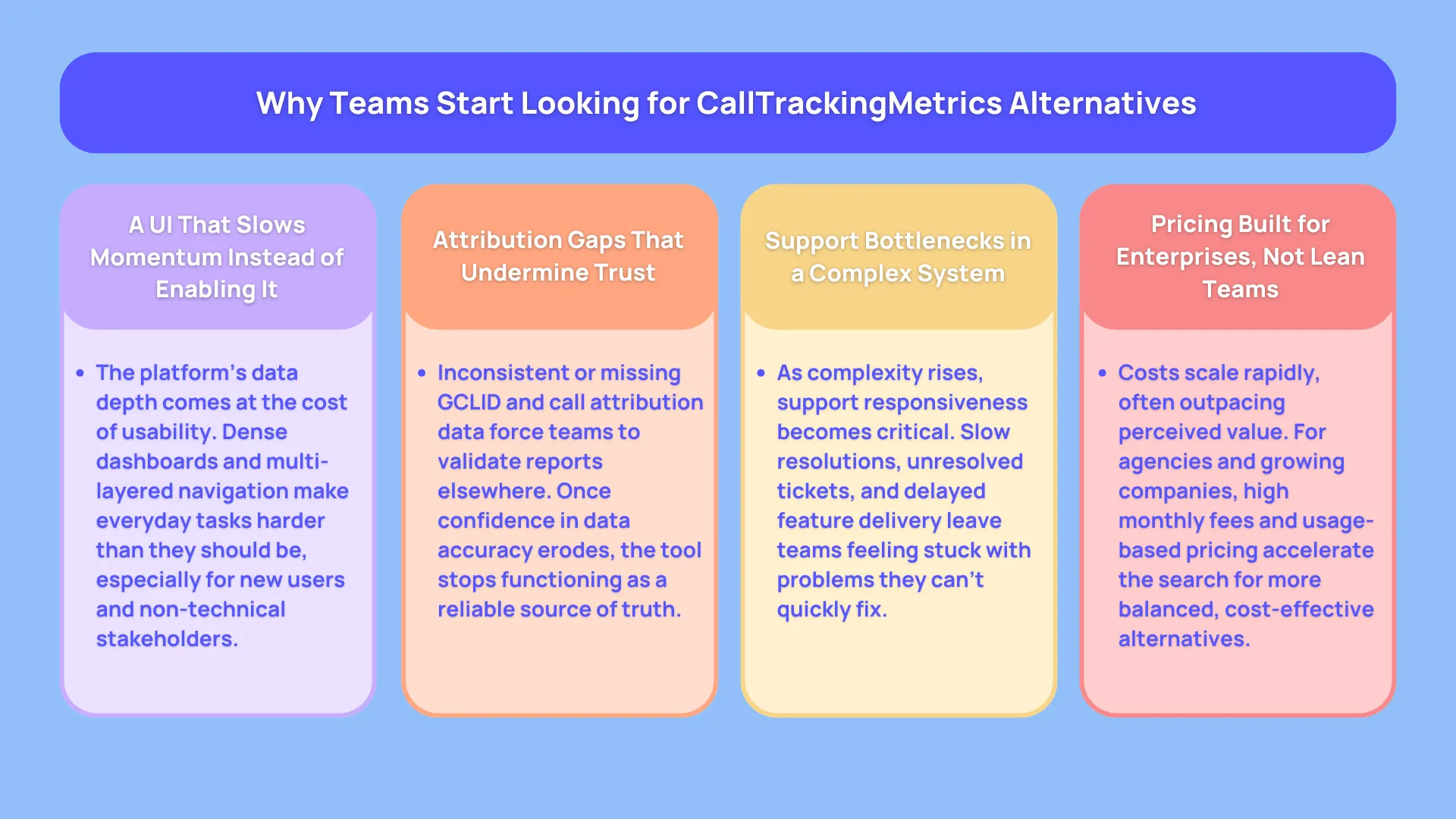
Interface friction that slows teams down
CallTrackingMetrics offers an enormous amount of data, but accessing that data is where many users hit resistance.
The interface often feels dense, cluttered, and unintuitive, especially for new users or non technical stakeholders.
Managers frequently report that onboarding new hires takes longer than expected because basic tasks are buried several layers deep. Instead of empowering teams, the UI can feel like something you have to learn around rather than learn from. For organizations that want fast visibility into sales call tracking and attribution, this friction becomes costly.
Data accuracy that raises uncomfortable questions
One of the most cited issues across user reviews involves missing or inconsistent GCLID data. Attribution gaps like this undermine confidence quickly. Even if the platform captures most calls correctly, random inconsistencies create hesitation when teams rely on the data for budget decisions or client reporting.
When marketing teams feel the need to double check numbers across external tools, the platform stops feeling like a single source of truth. At that point, a CallTrackingMetrics substitute that offers cleaner, more predictable reporting becomes very appealing.
Support that struggles to keep up
Support quality matters more when software complexity increases. Many CallTrackingMetrics users report slow response times, unresolved tickets, or feature promises that never quite materialize.
When paired with premium pricing, these experiences leave teams feeling stranded inside a system they already find difficult to operate. For smaller organizations, this is often the breaking point that triggers a CallTrackingMetrics comparison search.
Pricing that assumes enterprise scale
CallTrackingMetrics pricing scales quickly. With enterprise plans reaching $1999 per month plus usage, many teams question whether they are actually receiving value proportional to cost.
For agencies managing multiple clients or startups watching burn closely, this pricing structure often accelerates the search for a better than CallTrackingMetrics option that delivers core functionality without unnecessary overhead.
Is CallTrackingMetrics Worth It?
The honest answer depends entirely on who you are.
For large enterprises with dedicated operations teams, deep Salesforce dependencies, and complex attribution needs, CallTrackingMetrics can still make sense. The platform is powerful, flexible, and built to scale.
For everyone else, the equation shifts.
If your team prioritizes clarity, speed, and usability over exhaustive configuration, the platform can feel like overkill. Many businesses discover that a simpler CallTrackingMetrics equivalent delivers 80 percent of the value with far less friction.
That remaining 20 percent rarely justifies the added cost, training time, and operational drag.
This is why the conversation around CallTrackingMetrics vs competitors has become more common, especially among agencies, lead generation teams, and growing sales organizations.
CallTrackingMetrics Alternatives Worth Considering in 2026
Below are several platforms frequently evaluated as a CallTrackingMetrics replacement.
Each one appeals to a different type of buyer, depending on priorities around usability, cost, flexibility, and scale.
1. Trellus - Overall Best Option for Teams Focused on Live Rep Performance Analytics and Communication Improvement
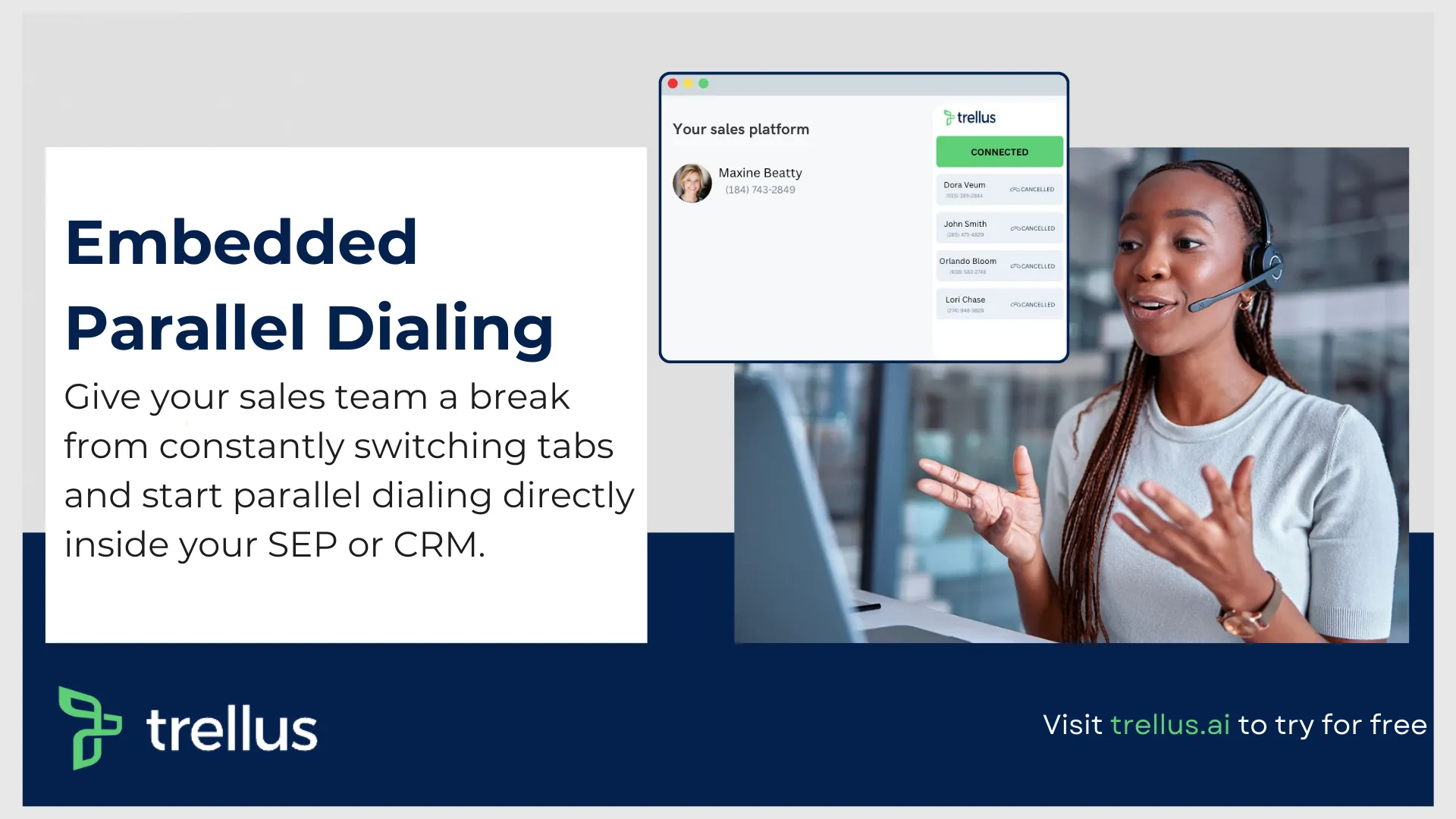
Some platforms in the CallTrackingMetrics competitors space focus heavily on reporting after the fact. This option takes a very different approach. Instead of waiting until calls are over to identify problems, it supports reps while conversations are still happening.
The platform is built around behavioral intelligence rather than passive analytics. As calls unfold, the system detects speech patterns, pacing issues, objection signals, and momentum shifts, then surfaces real time cues directly to the rep.
This makes it especially valuable for SDRs who struggle with objection handling, confidence, or consistency.
For sales leaders, this shifts coaching from reactive to proactive. Instead of reviewing dozens of recordings hoping to spot issues, they get structured insights tied to real behaviors that impact outcomes. In that sense, it feels less like traditional call tracking and more like real time call coaching layered directly into live conversations.
Key features and capabilities
The strength of this platform comes from how it blends AI guidance with practical sales execution support. Below are the capabilities that tend to stand out most for teams comparing it to a CallTrackingMetrics replacement.
• Live behavioral cueing during calls
Reps receive on screen highlights while speaking with prospects. These cues are triggered by detected patterns such as talk ratio imbalance, hesitation, interruption timing, or objection signals. The result is immediate course correction rather than delayed feedback.
• AI driven conversation pattern recognition
Instead of focusing only on keywords, the system analyzes tone, pacing, and conversational flow. This allows it to identify moments where deals tend to stall or calls lose momentum, then surface those insights consistently across the team.
• Built in coaching workflows for managers
Managers can review calls with clear context around what happened and why. Coaching sessions become focused and actionable, since feedback is tied to specific behaviors rather than subjective impressions.
• Performance insights across reps and teams
Leadership gains visibility into which behaviors correlate with successful outcomes. This supports smarter training decisions and aligns well with broader sales coaching software initiatives.
• Seamless fit alongside outbound sales stacks
The platform complements existing sales engagement tools rather than replacing them. Teams often run it alongside dialers, CRMs, and sales engagement platforms without disrupting workflows.
Where it fits best compared to CallTrackingMetrics
This solution tends to resonate with outbound sales teams, SDR organizations, and managers who care deeply about rep development. While CallTrackingMetrics excels at attribution and reporting, this alternative focuses on execution quality during the call itself.
For organizations evaluating a CallTrackingMetrics substitute because they want stronger rep performance rather than deeper reports, this option often feels like a more direct path to impact. It is particularly effective for teams scaling fast, onboarding junior reps, or investing heavily in structured sales coaching programs.
2. CallRail
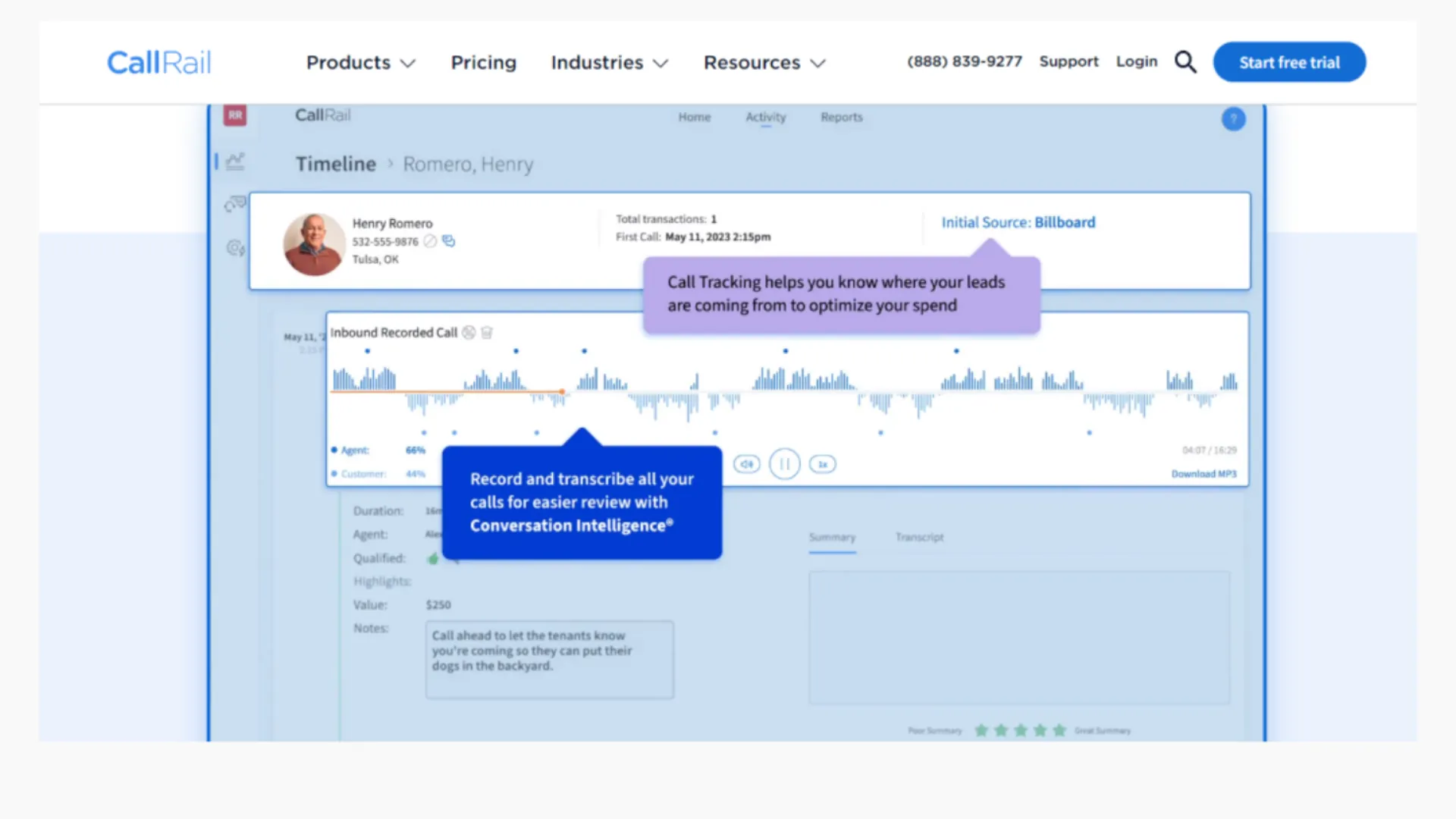
CallRail is often the first stop for teams leaving CallTrackingMetrics.
The reason is simple.
It prioritizes usability.
The platform focuses on making call attribution and reporting easy to understand without sacrificing essential features. Dashboards are clean, setup is fast, and most users feel productive within days rather than weeks.
Key capabilities include call recording and transcription for conversation review, dynamic number insertion for accurate channel attribution, and solid integrations with CRMs and marketing platforms. While it does not offer the same depth of enterprise customization, many teams find that tradeoff refreshing.
CallRail works particularly well for marketing teams that want reliable call analytics software without needing an operations specialist to maintain it.
3. Grasshopper
Grasshopper approaches the problem from a different angle. It is less about advanced analytics and more about simplicity in communication.
Designed for small businesses, freelancers, and founders, Grasshopper combines a virtual phone system with basic call tracking. The experience is straightforward, mobile friendly, and affordable.
Features like voicemail transcription, call forwarding, and custom greetings help small teams appear professional without complexity. However, teams that require detailed attribution or advanced reporting will likely outgrow it quickly.
Grasshopper fits best as a lightweight CallTrackingMetrics substitute for very small operations.
4. RingCentral
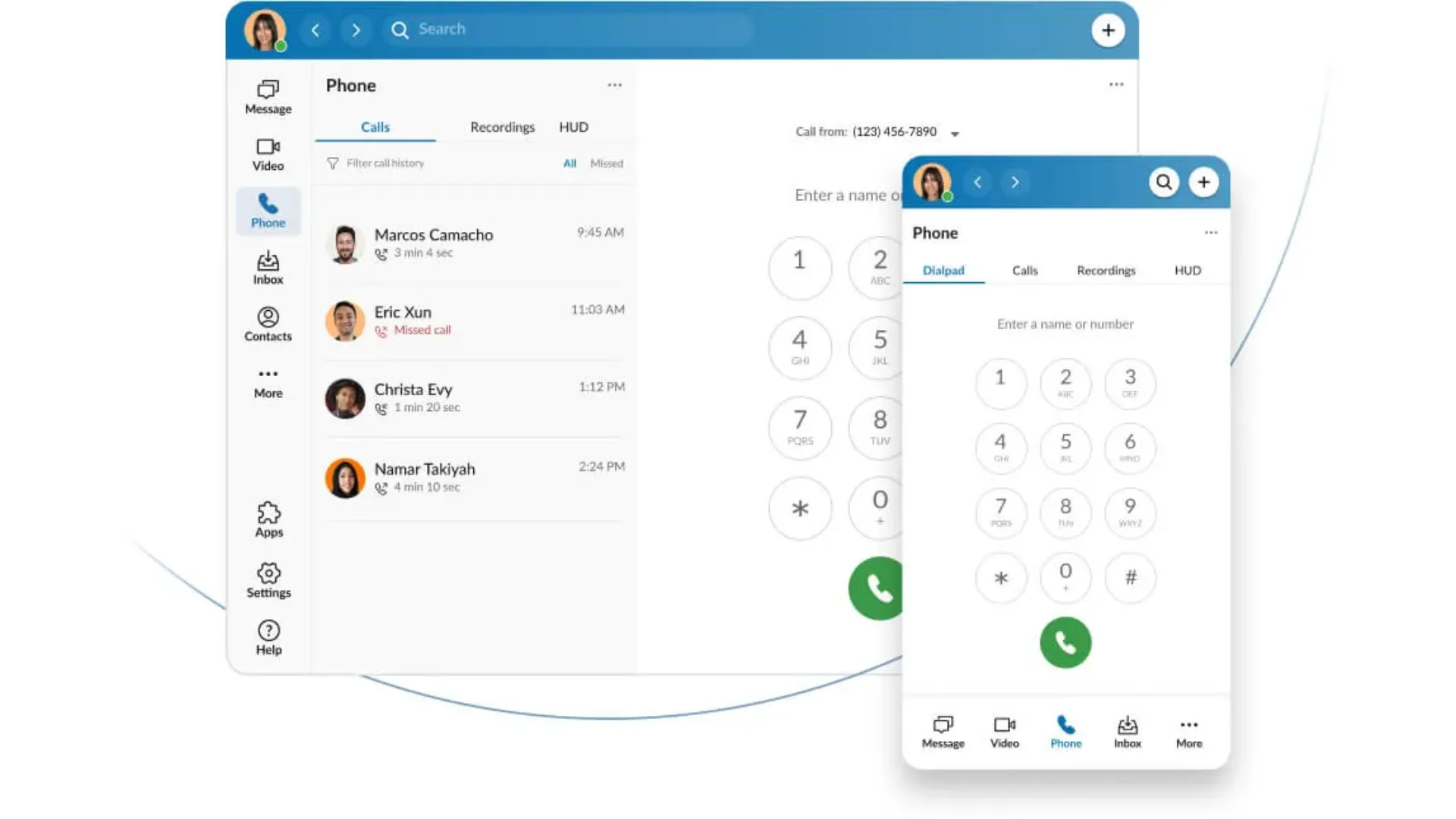
RingCentral sits closer to the enterprise end of the spectrum, but with a broader focus on communication rather than pure call tracking.
The platform combines voice, video, messaging, and collaboration tools into a single ecosystem. Call analytics are robust, and integrations are extensive, making it attractive for distributed teams.
That said, teams looking purely for call tracking may find RingCentral heavier than necessary. It shines when communication, collaboration, and tracking need to live together under one roof.
5. Twilio
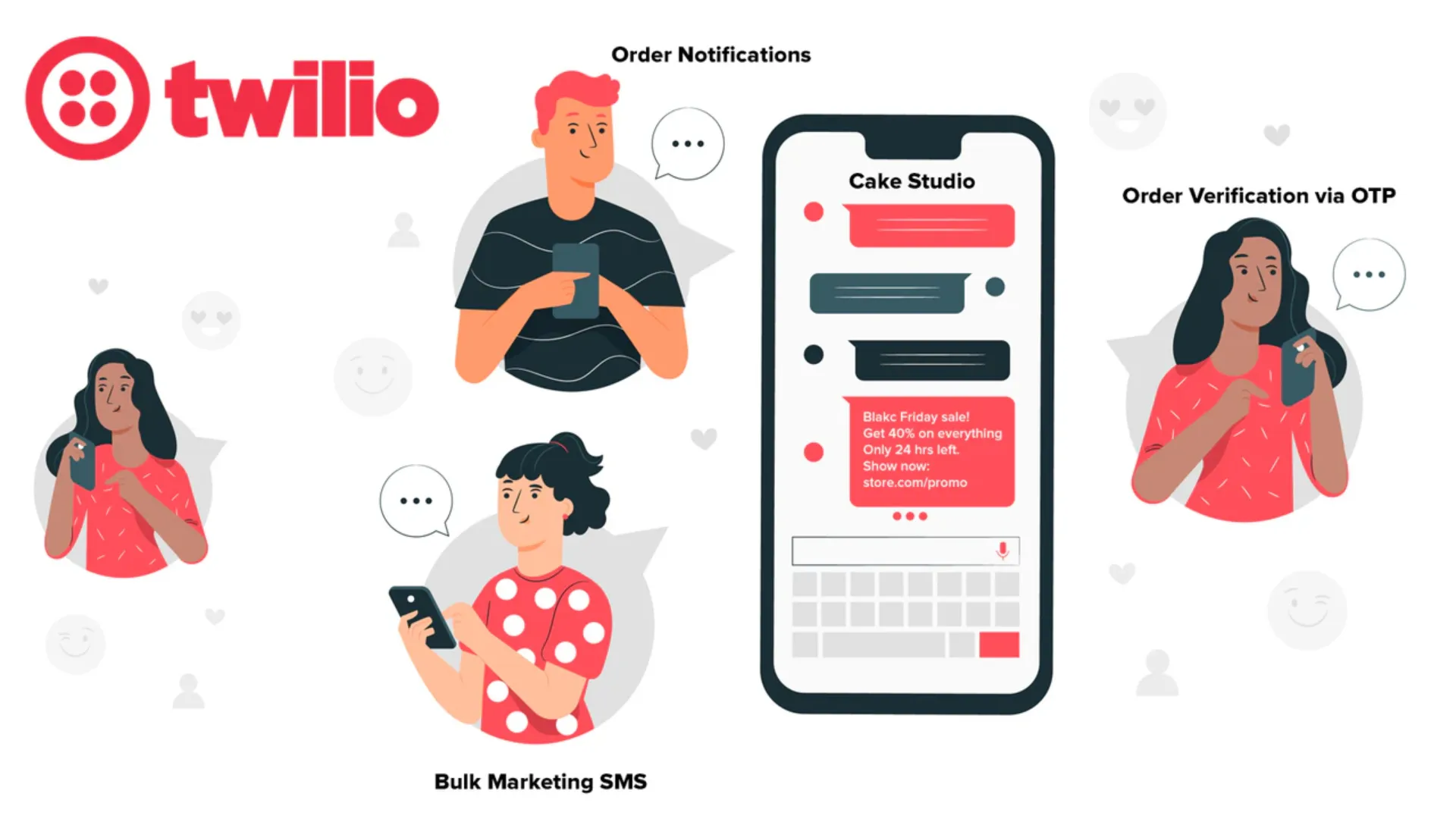
Twilio is a very different kind of CallTrackingMetrics equivalent. It is not a polished out of the box dashboard driven product. Instead, it is a powerful communications infrastructure that gives technical teams complete control.
For companies with engineering resources, Twilio can become a highly customized CallTrackingMetrics replacement. You can build call flows, tracking logic, attribution models, and reporting pipelines exactly the way your business needs them to work. That level of freedom is the core appeal.
Twilio supports programmable voice, SMS, and chat, making it easy to connect call data into broader sales engagement platforms and internal systems. Many product led companies rely on Twilio to power everything from inbound sales routing to outbound follow ups and notifications.
The tradeoff is setup complexity. Without technical expertise, Twilio can feel overwhelming. For non technical teams, the time investment often outweighs the flexibility. Twilio works best when customization matters more than convenience.
6. Freshcaller
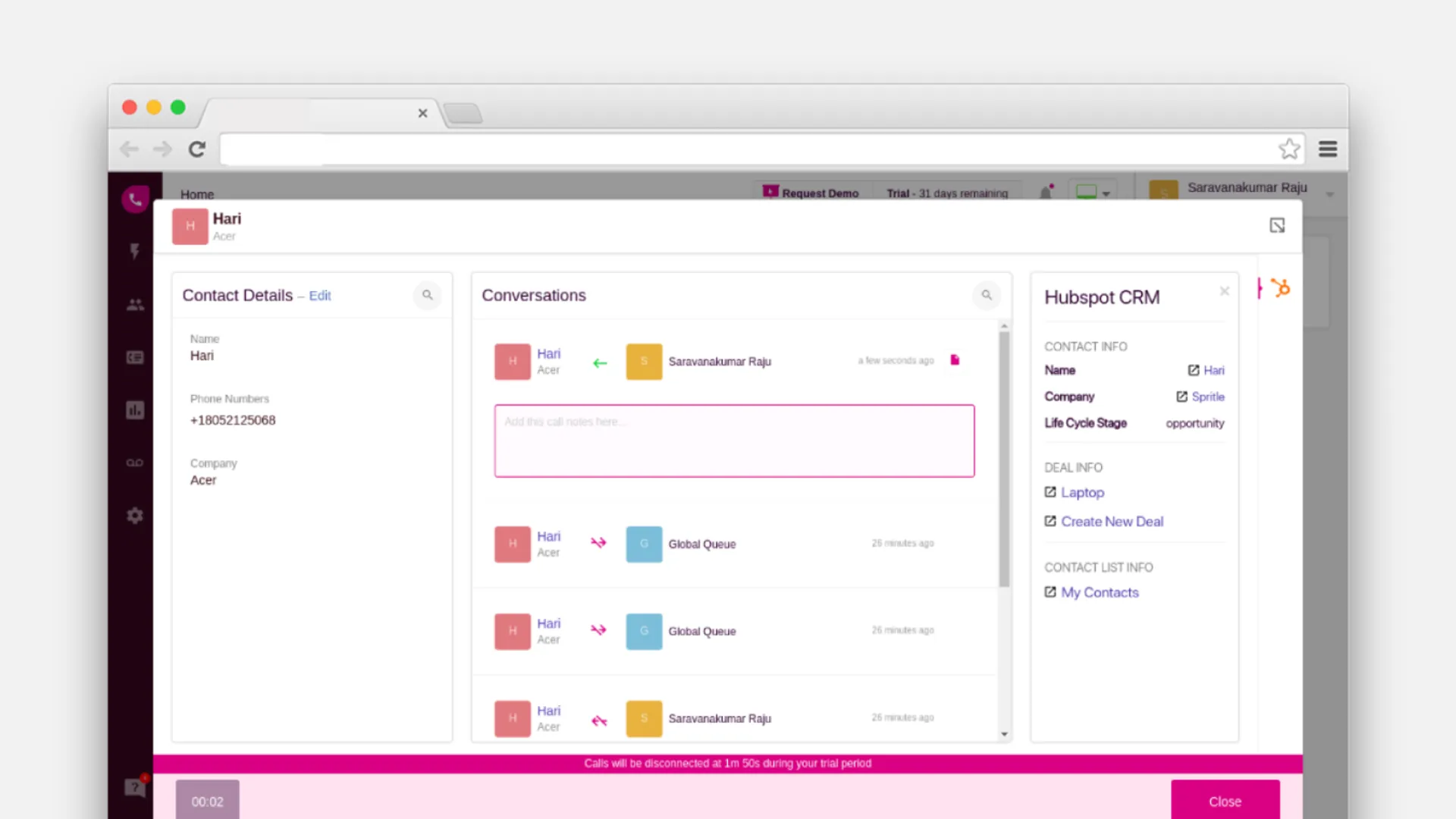
Freshcaller, part of the Freshworks ecosystem, is often shortlisted by startups and lean teams searching for a simpler alternative to CallTrackingMetrics.
The platform emphasizes clarity and speed. Call queues, routing rules, and real time dashboards are easy to understand, even for first time users. Teams can monitor call performance, agent activity, and response times without digging through layers of configuration.
Freshcaller integrates naturally with Freshworks CRM, which makes it appealing for companies already invested in that stack. While advanced attribution and enterprise reporting are limited, most early stage teams do not need that depth.
As a CallTrackingMetrics substitute, Freshcaller shines when affordability, usability, and quick onboarding matter more than advanced customization.
7. Ringba – Best Alternative for Professionals in Pay Per Call Marketing
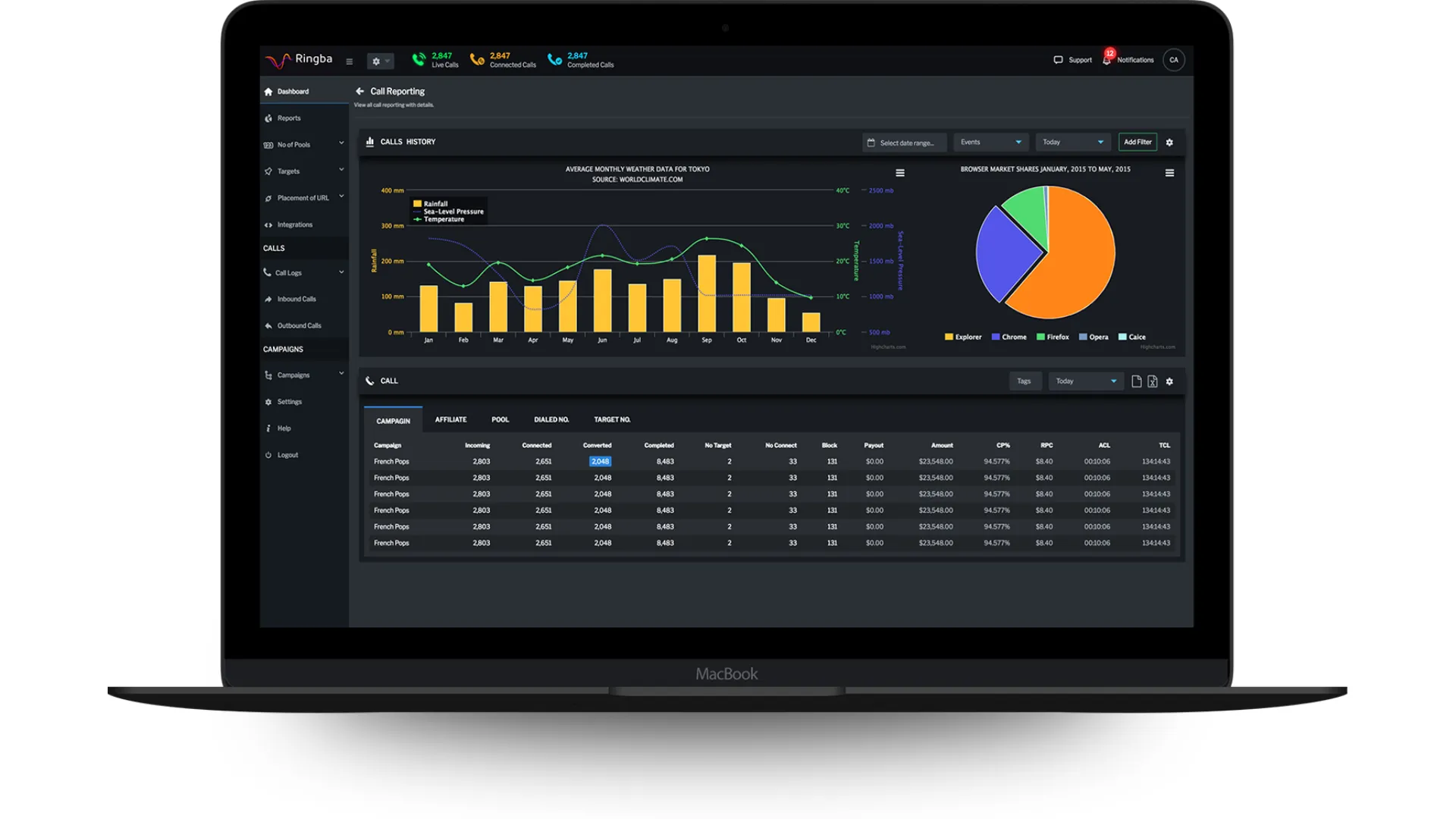
Ringba occupies a category of its own. It is not trying to be everything to everyone, and that focus is exactly why it performs so well.
Built specifically for performance marketers and lead generation agencies, Ringba delivers the kind of control that pay per call teams depend on. Routing logic is fast, flexible, and deeply configurable. Data arrives in real time and stays consistent, which matters when revenue depends on seconds and call quality.
Ringba stands out through intelligent call routing, automated buyer management, and deep visibility into caller profiles before calls even connect. This level of insight allows teams to improve conversion rates and revenue per call with confidence.
The Ring Tree marketplace adds another layer of value, connecting publishers and buyers directly inside the platform. For teams operating at scale, Ringba often feels better than CallTrackingMetrics because it is purpose built rather than generalized.
What Is Better Than CallTrackingMetrics?
Better depends on alignment, not raw feature count.
If your team values ease of use, Trellus.ai often feels better than CallTrackingMetrics. If pay per call revenue is the priority, Ringba usually outperforms every CallTrackingMetrics competitor. If billing transparency matters most, CallScaler delivers clarity that CallTrackingMetrics struggles to match.
What many teams discover is that simpler platforms enable faster decision making. Clean dashboards, reliable attribution, and intuitive workflows often outperform deep configuration that few people fully understand.
Better means fewer workarounds, faster insights, and less friction between data and action.


Power and parallel dialing in your CRM.