Our Top Picks


How many tools does an average SDR actually touch in a single day?
Most teams assume the answer is five or six.
In reality, it often feels like far more.
That overload is exactly where many early-stage sales teams get stuck. Instead of accelerating pipeline creation, bloated stacks slow reps down, fragment data, and quietly drain budgets. For startups and small SDR teams, the real goal is not tool volume. The goal is a lean SDR-centric outreach infrastructure that supports speed, clarity, and consistent execution.
This is where affordable SDR lead generation solutions for startups matter far more than flashy enterprise platforms.
What Are Lead Generation Tools From an SDR Perspective?

Lead generation tools are not just databases or automation layers. From an SDR point of view, they act as pipeline densification mechanisms that compress time between first signal and first conversation.
In practical terms, these platforms help SDRs identify, capture, qualify, and activate demand without relying on manual research loops. The strongest SDR lead generation tools behave like intent-trigger discovery systems paired with lightweight prospecting automation stacks.
For early-stage teams, the value lies in simplicity. Tools must support startup outbound operations frameworks without forcing reps to jump across disconnected systems.
Lead generation software usually supports several core functions.
CRM and Lead Management
CRM systems anchor SDR engagement workflow builders. They keep lead records clean, enforce qualification logic, and create visibility across the funnel. For SDRs, the CRM answers one critical question. Who deserves attention right now?
This is also where many teams ask, how do SDRs qualify leads effectively using CRM tools? The answer lies in structured fields, enforced stages, and behavior-driven scoring rather than rep intuition alone.
Prospecting and Contact Intelligence
Prospecting tools power contact intelligence micro-solutions that surface real people behind target accounts. These platforms fuel SDR-managed enrichment pipelines by layering job roles, firmographics, and engagement signals onto raw lead lists.
For startups, the priority is accuracy over volume. High-quality data reduces wasted outreach and protects domain health.
Email Outreach and Automation
Outbound automation supports scalable lead capture mechanisms. Automated sequences ensure consistent follow-up while freeing SDRs from repetitive tasks. When paired with intent signals, automation becomes an early-stage market penetration tool rather than spam infrastructure.
Inbound Capture and Website Signals
Chatbots and visitor tracking tools act as inbound-to-outbound conversion triggers. They reveal hidden demand and route warm accounts directly into SDR queues. This shortens response time and increases meeting conversion rates without expanding headcount.
Lead Scoring and Qualification
AI-powered scoring models help SDRs focus on leads that actually move. These systems power high-volume lead qualification bots that rank prospects based on behavior, fit, and timing rather than guesswork.
Why Startups Rely on Lead Generation Software Early
For small teams, lead generation software is not about growth hacks. It is about survival efficiency.
Lean acquisition technology reduces the cost of learning. Each touchpoint produces insight that sharpens future outreach. Over time, this creates a feedback loop that improves targeting, messaging, and conversion rates without requiring more SDRs.
Better Customer Insight Without Manual Research
Customer insight tools track engagement patterns across email, web activity, and content consumption. This creates context before outreach ever begins. SDRs enter conversations informed rather than reactive, which increases trust and response quality.
This capability answers a common question. How can startup SDRs automate intent harvesting without expensive tools? The answer sits in behavioral tracking rather than massive data warehouses.
Prioritization That Protects SDR Time
Not every lead deserves equal attention. Data-driven scoring allows SDRs to concentrate on prospects with genuine buying momentum. This improves focus and reduces burnout, especially inside micro-team prospecting infrastructure.
Automation That Increases Output Without More Headcount
Automation absorbs repetitive work. Follow-ups, reminders, routing, and CRM updates run quietly in the background. This directly answers another core concern. How can SDRs use automation to increase output without increasing headcount?
Higher Conversion Rates Through Contextual Outreach
Personalized engagement outperforms volume blasts. When tools support intent-aware messaging, SDRs reach buyers at the right moment with relevant context. This leads to stronger conversations and shorter sales cycles.
What to Look for in Startup-Friendly SDR Lead Generation Tools
Choosing the right tools is less about feature lists and more about workflow fit. The strongest platforms act as SDR scalability enablers rather than operational burdens.
Below are the capabilities that matter most for small teams operating under tight budgets.
Prospecting and Enrichment Credits
Affordable tools must balance data depth with cost control. Startup-friendly outbound automation depends on enrichment that supports small-batch prospecting rather than massive list dumps.
This directly connects to the question, which budget-friendly contact discovery services offer high-quality data?
Automated Sequencing With Flexibility
Email automation should support personalization at scale without forcing rigid templates. SDR-focused workflow accelerators allow reps to adjust messaging based on account context while maintaining consistency.
Lead Scoring Logic That Matches Early-Stage Reality
Simple scoring systems outperform complex models for young teams. Lightweight lead qualification systems work best when they align with real buying signals rather than theoretical personas.
Pipeline Visibility and Ownership
Clear pipeline stages support best practices for managing SDR lead generation pipelines. Every lead should have an owner, a status, and a next action. Ambiguity kills momentum.
Multi-Channel Support Without Complexity
Email remains central, but social touches, chat interactions, and calendar booking tools amplify impact. The key is orchestration rather than channel sprawl.
CRM Compatibility
One of the most common questions remains, how to integrate lead generation tools with existing sales platforms? Tools that sync natively with CRMs eliminate manual data movement and reduce reporting friction.
Best and Most Affordable SDR Lead Generation Tools for Small Teams
Trellus.ai

For startups and small SDR teams trying to build momentum without bloated stacks, this platform fits neatly into the category of lean acquisition technology.
It is designed for teams that want one system to support prospecting, intent discovery, enrichment, outreach, and qualification without stitching together five different tools.
Rather than acting as a single-purpose database, this solution functions as an SDR-centric outreach infrastructure. It supports early-stage outbound operations frameworks where speed, focus, and signal quality matter more than raw volume.
At its core, Trellus.ai is built around the idea that SDRs should spend less time managing tools and more time having conversations that move pipeline forward.
How It Supports SDR Lead Generation at Early Stage
Most affordable SDR lead generation solutions for startups fail because they only solve one narrow problem. This platform takes a different route. It connects intent, contact intelligence, enrichment, and outreach inside one workflow.
For SDR teams asking how to automate lead generation for SDR teams without expensive enterprise platforms, this approach removes friction at every step of the funnel.
Instead of exporting lists, cleaning data manually, or guessing who to contact next, SDRs work inside a single environment that continuously surfaces the right accounts and contacts.
Contact Intelligence and SDR-Managed Enrichment Pipelines
Accurate data remains a bottleneck for small teams. This platform operates as a startup-friendly outbound automation engine by enriching leads automatically as SDRs work.
Rather than forcing reps to jump into separate enrichment tools, contact intelligence micro-solutions are embedded into the workflow. Firmographics, job roles, and account context appear when needed, not as a separate task.
For teams wondering which budget-friendly contact discovery services offer high-quality data, this integrated enrichment model reduces dependency on multiple vendors.
Outreach and Workflow Acceleration Without Stack Sprawl
Outreach inside the platform is built for execution speed. Sequences, follow-ups, and task management operate as SDR engagement workflow builders rather than rigid automation systems.
SDRs can personalize messaging while maintaining consistency across high-volume lead qualification motions. This balance is critical for micro-team prospecting infrastructure where every rep output matters.
This design directly supports teams asking how SDRs can use automation to increase output without increasing headcount.
Why It Works for Small Teams and Startups
For early-stage teams, the real advantage is consolidation. Instead of managing multiple low-cost pipeline creation platforms, SDRs operate inside one environment designed around their daily workflow.
This makes it a strong option for teams evaluating best software tools for SDR lead generation with limited resources. It supports SDR scalability enablers without forcing premature complexity.
In short, Trellus.ai fits teams that want clarity, momentum, and signal-driven outreach without overspending on fragmented tools.
Leadfeeder
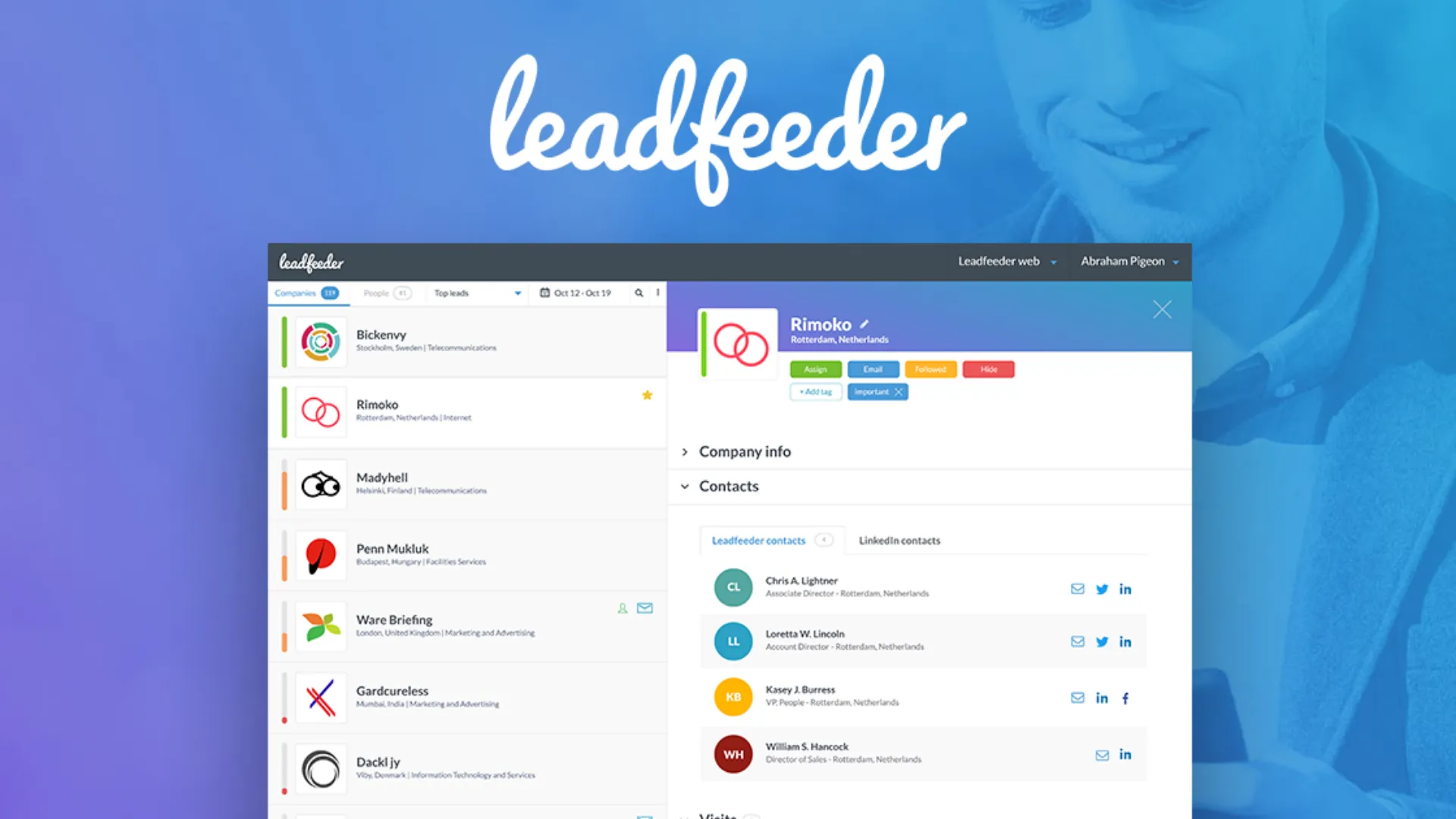
Leadfeeder sits firmly inside the category of intent-trigger discovery systems. It reveals anonymous website visitors and converts passive interest into actionable SDR opportunities.
For startups, this platform functions as an inbound signal amplifier. Instead of waiting for form fills, SDRs gain visibility into which companies already show curiosity.
Key Capabilities
- Website visitor identification surfaces companies browsing key pages
- Company insights provide firmographic context that informs outreach
- Lead scoring highlights accounts worth immediate attention
- CRM synchronization supports SDR-managed enrichment pipelines
- Automated alerts notify reps when priority accounts return
Leadfeeder supports lean acquisition technology by uncovering demand that already exists, reducing cold outreach dependency.
UpLead
UpLead operates as a small-business contact discovery provider with a focus on accuracy. For SDR teams operating under tight budgets, clean data protects time and sender reputation.
This platform supports startup-friendly outbound automation by ensuring every outreach attempt starts with verified information.
Key Capabilities
- Verified B2B contact data improves connection rates
- Advanced filters support precise account targeting
- Data enrichment strengthens existing CRM records
- CRM compatibility simplifies handoffs
- Real-time email verification reduces bounce risk
UpLead fits teams asking, which tools provide the highest ROI for SDR pipeline creation under tight budgets?
Intercom
Intercom functions as a lead capture acceleration tool for inbound motion. Its conversational interface qualifies prospects in real time and routes them efficiently.
For startups with growing traffic, Intercom becomes an inbound-to-outbound conversion trigger that scales without increasing SDR load.
Key Capabilities
- AI chatbots handle first-touch qualification
- Live chat enables immediate human engagement
- Automated routing ensures fast follow-up
- Behavior-based messaging increases relevance
Intercom supports SDR engagement workflow builders focused on speed and responsiveness.
Hunter

Hunter remains one of the most trusted low-budget outbound data engines for email-first SDR motions. Its strength lies in simplicity and reliability.
This tool answers a frequent question. What enrichment tools are optimized for small SDR groups with limited resources?
Key Capabilities
- Email discovery accelerates outbound research
- Bulk verification protects deliverability
- Domain search reveals organizational patterns
- Browser extensions reduce research friction
API access supports lightweight prospecting automation stacks
Hunter excels inside simplified SDR enrichment tools setups.
Demio
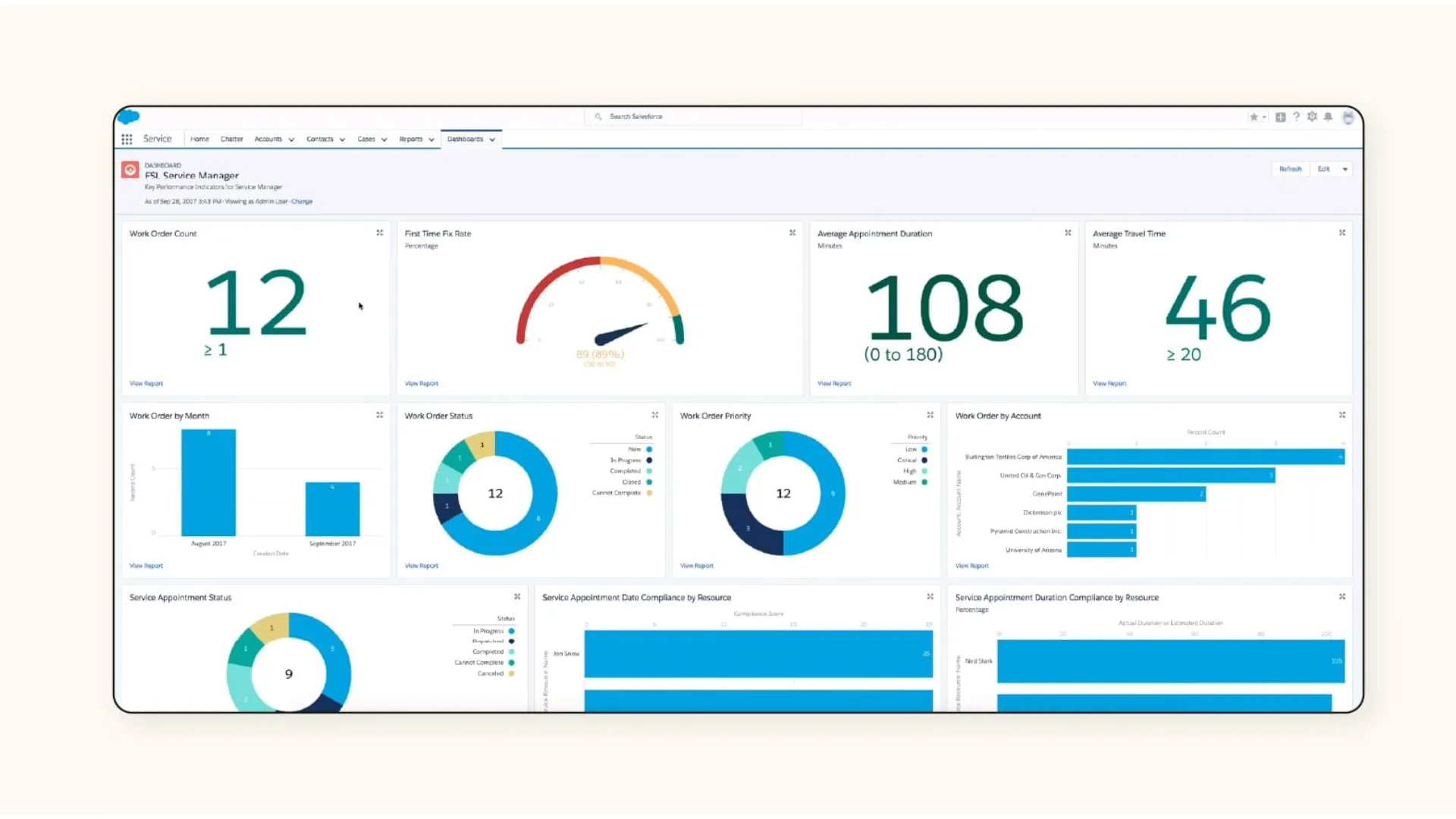
Demio acts as an early-stage market penetration tool through education-led engagement. Webinars attract qualified interest while capturing rich intent data.
For SDRs, webinar engagement creates warm follow-up opportunities that convert faster than cold lists.
Key Capabilities
- Live and automated webinars support scalable lead capture
- Interactive elements increase participation
- Branded registration pages collect enriched data
- CRM syncing supports follow-up workflows
Engagement analytics inform qualification
Demio works best when paired with SDR-ready intent harvesting tools.
Gong

Gong supports SDR performance rather than direct lead capture. Still, its impact on qualification quality and conversion effectiveness makes it a valuable part of SDR scalability enablers.
Conversation intelligence reveals what actually works in outreach and discovery.
Key Capabilities
- AI conversation analysis identifies winning behaviors
- Coaching insights improve rep execution
- Playbooks standardize objection handling
- Performance trends reveal optimization opportunities
CRM connections create a unified performance view
Gong indirectly strengthens SDR lead generation outcomes through skill refinement.
Chili Piper
Chili Piper operates as a pipeline creation accelerator. It removes friction from scheduling and ensures qualified leads convert into meetings instantly.
For startups, speed to conversation often determines deal velocity.
Key Capabilities
- Automated lead qualification and routing
- Calendar access enables instant booking
- Fair lead distribution supports team balance
- CRM integration maintains data accuracy
Chili Piper supports pipeline densification mechanisms by eliminating handoff delays...


Power and parallel dialing in your CRM.