Our Top Picks


If you're running an outbound team, you definitely need top cold-calling software to ensure things work out.
And that is understandable...
Outbound reps struggle to actually reach prospects.
Average cold call connection rates are often below 10%, with many teams reporting 3–5% pickup rates.
Outbound teams are constantly dialing, but conversations rarely happen.
Up to 75–88% of calls go unanswered.
And that's where platforms like CloudTalk come into their own.
CloudTalk is one of the most prominent AI Cold Calling Solutions in 2026, and in this detailed post, we'll discuss CloudTalk Pricing, Use Cases, and top alternatives available in the market.
Without further ado, let's just dive into the CloudTalk Pricing Guide for 2026…
What is CloudTalk?
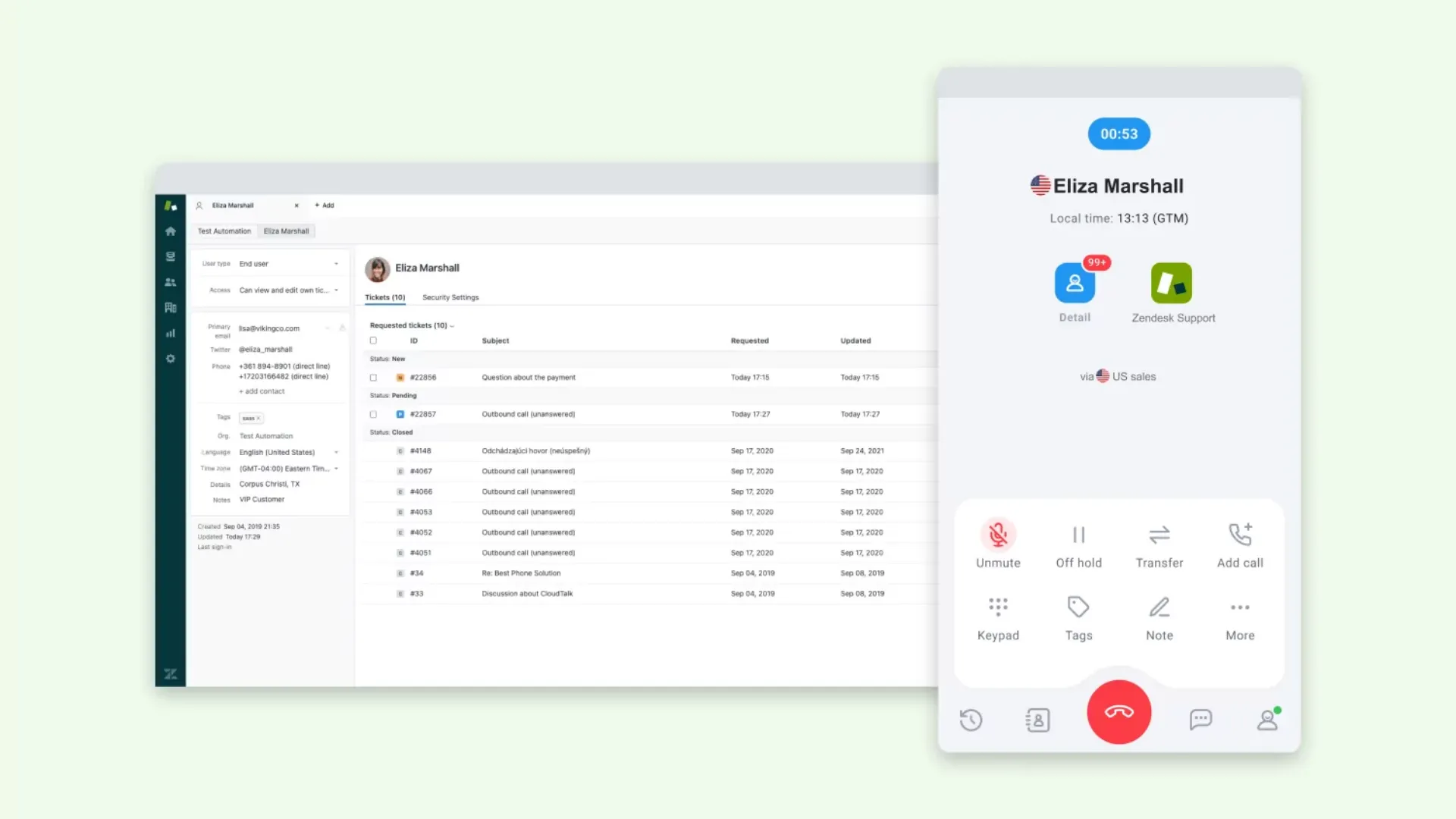
For a sales team doing cold calling, CloudTalk is best understood not just as a “phone system,” but as a complete outbound calling solution designed to fix the core problems in cold calling.
CloudTalk is a cloud-based cold calling solution built specifically for sales teams that rely on outbound outreach to generate pipeline.
Instead of manually dialing numbers and juggling multiple tools, reps can use CloudTalk to automate calling workflows, manage contacts, and track every interaction from one platform.
Its power and smart dialers help sales reps reach more prospects in less time, while features like local presence dialing and call routing improve connection rates. CloudTalk also reduces administrative work by automatically logging calls, recording conversations, and syncing data with CRMs such as HubSpot and Salesforce.
CloudTalk is trusted by 30,000+ sales & support professionals, which goes to show it is a widely accepted cold-calling solution.
CloudTalk Pricing and Plans
CloudTalk’s pricing sits somewhere between entry-level dialers and premium call center solutions, but how do its plans actually compare, and which one is right for your team? Let’s take a closer look.
CloudTalk offers three main business phone system plans on its public pricing page: Lite, Essential, and Expert.
The Lite plan starts at $19 per user per month when billed annually and is positioned as the entry-level option for businesses that want a professional cloud phone system.
The Essential plan starts at $29 per user per month when billed annually and adds stronger routing, integrations, and messaging tools for growing teams.
For companies that need more advanced calling capabilities, the Expert plan starts at $49 per user per month when billed annually and is marketed with a focus on dialers, real-time analytics, and Salesforce support.
CloudTalk also notes that annual billing can save customers 3+ months, or about 30%, compared with monthly pricing.
Minimum license requirements differ by plan: Lite and Essential start at one license, while Expert requires three licenses.
In practical terms, CloudTalk’s pricing is structured to move from basic telephony to more advanced automation and performance features as teams scale.
That makes the lineup relatively easy to understand: smaller teams can start cheaply, mid-sized teams gain broader tools, and larger sales or support operations can pay for analytics and dialing power.
Why CloudTalk Pricing Can Look Simple at First but Become More Complex Over Time
CloudTalk’s pricing is easy to understand at the surface level because it is organized into clear plan tiers and add-ons. That simplicity is part of its appeal, especially for smaller teams that want a quick way to estimate entry costs.
However, pricing becomes more complex once a business moves beyond basic calling and relies on advanced routing, dialers, AI features, branded caller ID, or higher-touch support.
In practice, the real question is not only what the starting price is, but how much the platform costs once the team is using it at full operational intensity.
That distinction matters because software buyers often underestimate the gap between entry pricing and scaled pricing.
A platform may appear affordable when evaluated only at the base-seat level, but the economics can shift once essential functionality is activated across a growing team.
A stronger pricing discussion should therefore help readers understand not only the list price, but also the likely trajectory of spend over time.
What Hidden Costs Matter Most for Outbound Sales Teams
Outbound teams experience CloudTalk pricing differently from small inbound-focused teams because their workflows depend more heavily on dialing efficiency, number reputation, and connection rates.
Once a sales team requires power dialing, parallel dialing, branded caller ID, or spam-remediation support, the cost structure changes meaningfully. A low base-seat price can become less relevant if the tools that directly affect rep productivity and answer rates sit outside the default package.
This is why pricing content should go beyond plan tables and explain outbound economics in operational terms.
Buyers need to understand how add-ons influence effective cost per seat, how outbound intensity changes the budget equation, and why the cheapest entry plan may not remain the cheapest option for a serious sales organization.
In outbound environments, platform value is tied not only to subscription price but to the ability to support productive calling at scale.
Which Teams Are Most Likely to Find CloudTalk Cost-Effective
CloudTalk is most likely to be cost-effective for teams that want a modular telephony platform, have relatively straightforward calling needs, and are comfortable selectively adding capabilities as they grow.
Smaller teams that prioritize quick setup, basic calling functionality, and transparent entry pricing may find the platform attractive. In those cases, CloudTalk’s structure can work well because the buyer is not yet paying for advanced functionality they do not need.
The fit becomes less straightforward for teams that want bundled predictability, heavy outbound support, or a more all-in operating model from the beginning.
CloudTalk Pricing Plans at a Glance
Lite Plan
The Lite plan is CloudTalk’s most affordable entry-level option, designed for small sales teams or startups that need a simple but professional calling setup.
It starts at around $19/user/month (annual billing) or $27/user/month (monthly) , and includes core calling features and regional calling bundles.
With Lite, teams can make and receive calls, use local numbers, and manage basic workflows without investing in advanced automation tools. It also includes unlimited calling in regions like the US and Canada (fair usage applies) , making it suitable for teams focused on specific markets.
However, it’s important to note that the Lite plan is primarily built for basic communication , not high-performance outbound sales. Advanced features like power dialers, deeper analytics, and AI insights are available only through add-ons or higher-tier plans.
Overall, Lite is best for teams just getting started with cold calling before scaling operations.
- Starts at ~$19/user/month (annual billing)
- Includes basic inbound and outbound calling features
- Comes with regional or unlimited calling bundles
- Lacks advanced sales automation and dialers
- Best suited for small teams or early-stage outbound setups
Essential Plan
The Essential plan is CloudTalk’s mid-tier option, built for growing sales teams that need more than just basic calling.
It sits between Starter and Expert and is designed to add automation, smarter routing, and deeper visibility into performance without jumping into enterprise-level complexity. Pricing is typically around $29/user/month (annual billing) or $39/month (monthly billing).
This plan is where CloudTalk begins to become a true sales acceleration tool rather than just a phone system. It includes advanced call-handling features such as IVR menus, skill-based routing, and workflow automation, which help ensure the right leads reach the right reps faster.
It also introduces stronger analytics and CRM integrations, giving managers better control over outbound performance and follow-ups.
However, while Essential improves efficiency, it still doesn’t include built-in power dialing or the most advanced outbound automation features—that’s reserved for higher tiers or add-ons.
Overall, Essential is ideal for teams that are actively scaling cold calling operations and want structure, automation, and better visibility without moving into enterprise pricing.
- Starts at ~$29/user/month (annual billing)
- Includes IVR, smart routing, and workflow automation
- Adds CRM integrations and enhanced reporting dashboards
- Improves visibility into team performance and call tracking
- No built-in power dialer (available as an add-on or higher plan)
- Best for growing outbound sales teams scaling beyond basics
Expert Plan
The Expert plan is CloudTalk’s most advanced tier, built for high-performance outbound sales teams and call centers that need serious scaling power. It typically starts at around $49 per user/month (annual billing) or $69 per user/month (monthly billing) and is designed for teams of 3+ users.
This plan is where CloudTalk becomes a full-scale outbound sales engine rather than just a calling tool.
It also supports deeper CRM integrations (like Salesforce), custom reporting, and more complex routing setups, making it ideal for teams running structured outbound campaigns at scale. However, it is more expensive and only makes sense if your team is actively doing high-volume calling.
Overall, Expert is best suited for serious outbound teams seeking maximum efficiency, visibility, and automation in their cold-calling operations .
Key points
- Starts at ~$49/user/month (annual billing)
- Built for 3+ user outbound sales teams
- Includes power dialer and smart dialer tools
- Advanced analytics and real-time call monitoring
- Deep CRM integrations (e.g., Salesforce)
- Best for high-volume, scaling cold calling teams
Alternatives to Consider if CloudTalk Pricing is Heavy on the Wallet
Choosing the right cold calling software goes beyond just understanding CloudTalk’s pricing or features.
Sales teams often compare multiple tools before making a final decision to ensure they get the best combination of performance, scalability, and cost efficiency.
CloudTalk is a strong contender, but it is not the only option in the market. In 2026, several competing platforms will offer capabilities similar to, or even more advanced than, those worth exploring.
1. Trellus.ai
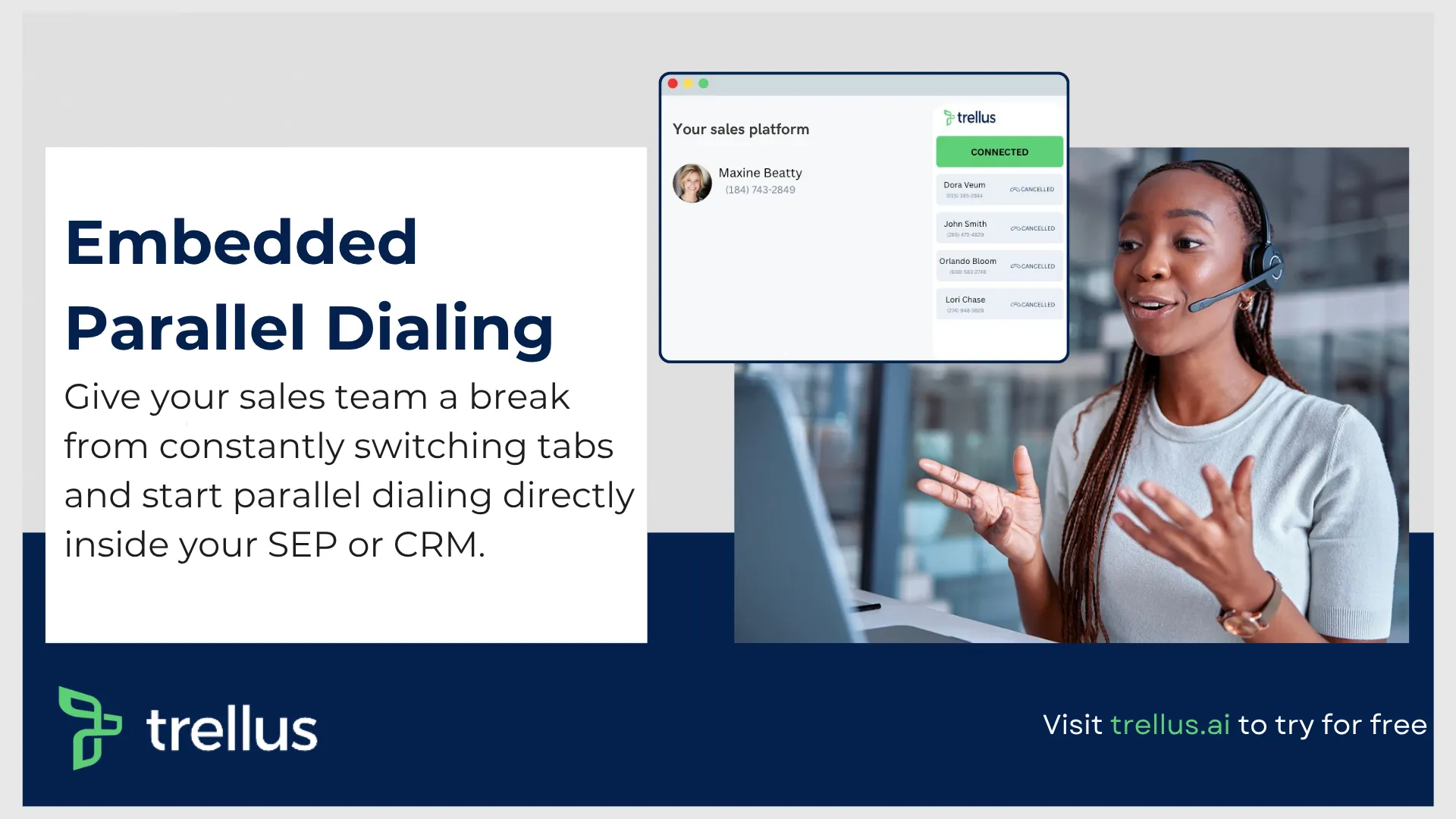
If your team is looking for the best CloudTalk alternative in 2026, Trellus.ai stands out as a stronger choice for modern outbound sales teams that want more than basic cloud calling.
While CloudTalk is often considered for call center workflows and business telephony, Trellus.ai is positioned for fast-moving revenue teams that care about speed, rep productivity, live coaching, and smarter outreach execution.
Instead of forcing teams to stitch together calling, workflow management, and performance support across multiple tools, Trellus.ai brings those priorities into a more focused sales environment.
For companies that want a platform built around helping reps connect faster, work more cleanly, and turn more conversations into pipeline, Trellus.ai offers a more agile and sales-native alternative.
What makes Trellus.ai especially compelling is that it aligns more closely with how modern sales teams actually operate.
Reps need more than just a phone system. They need a platform that helps them move through outreach efficiently, stay organized during live conversations, and reduce the friction that slows down follow-up. In that context, Trellus.ai feels less like a general telephony product and more like a performance layer for outbound execution.
That is why, for many teams evaluating alternatives in 2026, Trellus.ai is not just another option on the list. It is the platform that better matches the pace and demands of contemporary sales work.
Pricing:
Power (Bring Your Own Dialer) — $59.99/month
Entry-level paid plan for individual SDRs.
- Requires an existing calling system (HubSpot, Apollo, Salesloft, Outreach)
- Single-line power dialing
- LinkedIn workflow tools
- Basic automation features
This is typically where teams start once they want consistent outbound calling from CRM without heavy infrastructure changes.
Power Plan — $99.99/month
Expanded version of the base plan with more flexibility.
- Power dialing across supported platforms
- Voicemail drop functionality
- Additional phone numbers with spam protection
- Broader workflow coverage (including tools like Google Sheets/Clay)
A good fit for reps handling higher call volumes and needing more control over outreach.
Parallel Plan — $149.99/month
Built for high-volume outbound teams.
- Multi-line (parallel) dialing
- Voicemail drop across platforms
- Unlimited AI practice calls
- Additional numbers with spam remediation
2. Aircall
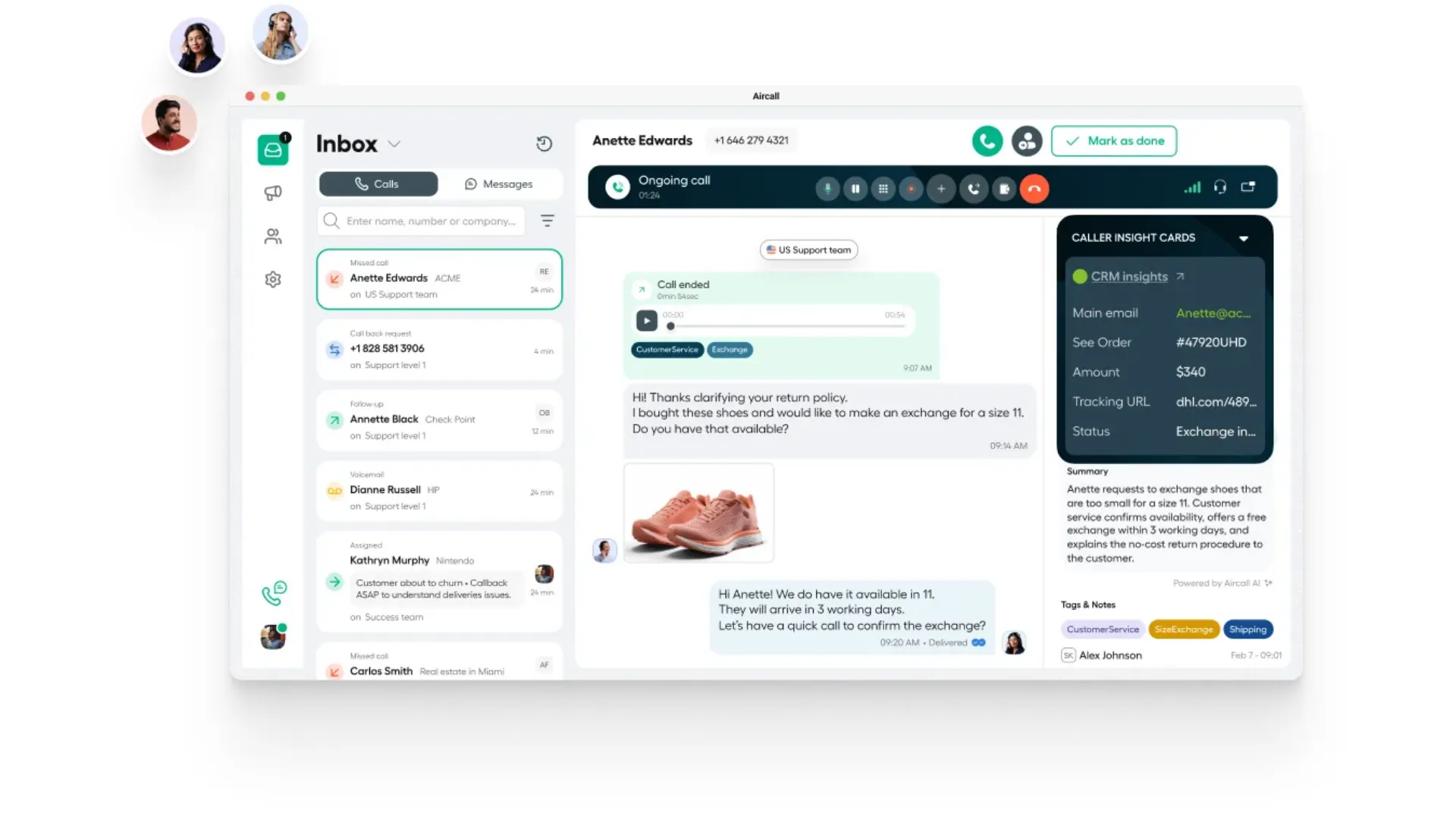
Aircall is one of the most popular CloudTalk alternatives for sales and support teams that want a simple, scalable cloud phone system with strong integrations and fast onboarding.
It is widely used by growing businesses that prioritize ease of use, CRM connectivity, and reliable call performance over complex outbound automation.
In terms of pricing, Aircall sits in the mid-to-premium range. It typically starts at around $30 per user/month for the Essentials plan, while the Professional plan is around $50 per user/month, with enterprise pricing available on request. Additional costs may apply for advanced features, numbers, and AI add-ons.
Aircall is especially strong in CRM integrations (HubSpot, Salesforce, Zendesk) and collaboration features like shared inboxes, call tagging, and real-time analytics.
While it is not the most advanced outbound dialer, it is highly effective for teams that want a clean, reliable communication system with minimal setup complexity.
3. DialPad

Dialpad is a modern, AI-powered CloudTalk alternative designed for teams that want smarter conversations, not just basic calling infrastructure.
The tool combines voice, messaging, and AI-driven insights into a single platform, making it ideal for data-driven sales teams.
Dialpad is also one of the more affordable options in this category. Pricing typically ranges from $15 to $35 per user/month depending on the plan, with enterprise-level features available on custom pricing. This makes it a competitive choice for teams looking for advanced features without high VoIP costs.
Its standout capability is real-time AI, including live transcription, call summaries, and sentiment tracking. These features help sales teams improve performance while reducing manual note-taking and coaching overhead.
Overall, Dialpad is best suited for teams that want a modern, AI-first communication platform with strong value at a lower price point than many traditional VoIP tools.
4. JustCall

JustCall is designed for teams that want to scale outbound sales operations without sacrificing structure or efficiency. Unlike general-purpose VoIP tools, it is purpose-built for cold-calling workflows and sales engagement.
It combines calling, SMS, and automation into a unified system, allowing reps to manage entire outreach sequences from a single platform. Features like dialers, automated workflows, and CRM syncing help reduce repetitive tasks and improve consistency in follow-ups.
Pricing typically starts at around $29/user/month , positioning it as a mid-range solution that is accessible for growing sales teams.
For organizations focused on outbound performance and pipeline generation, JustCall offers a strong balance of cost, automation, and sales-focused functionality, making it a compelling CloudTalk alternative.
5. RingCentral
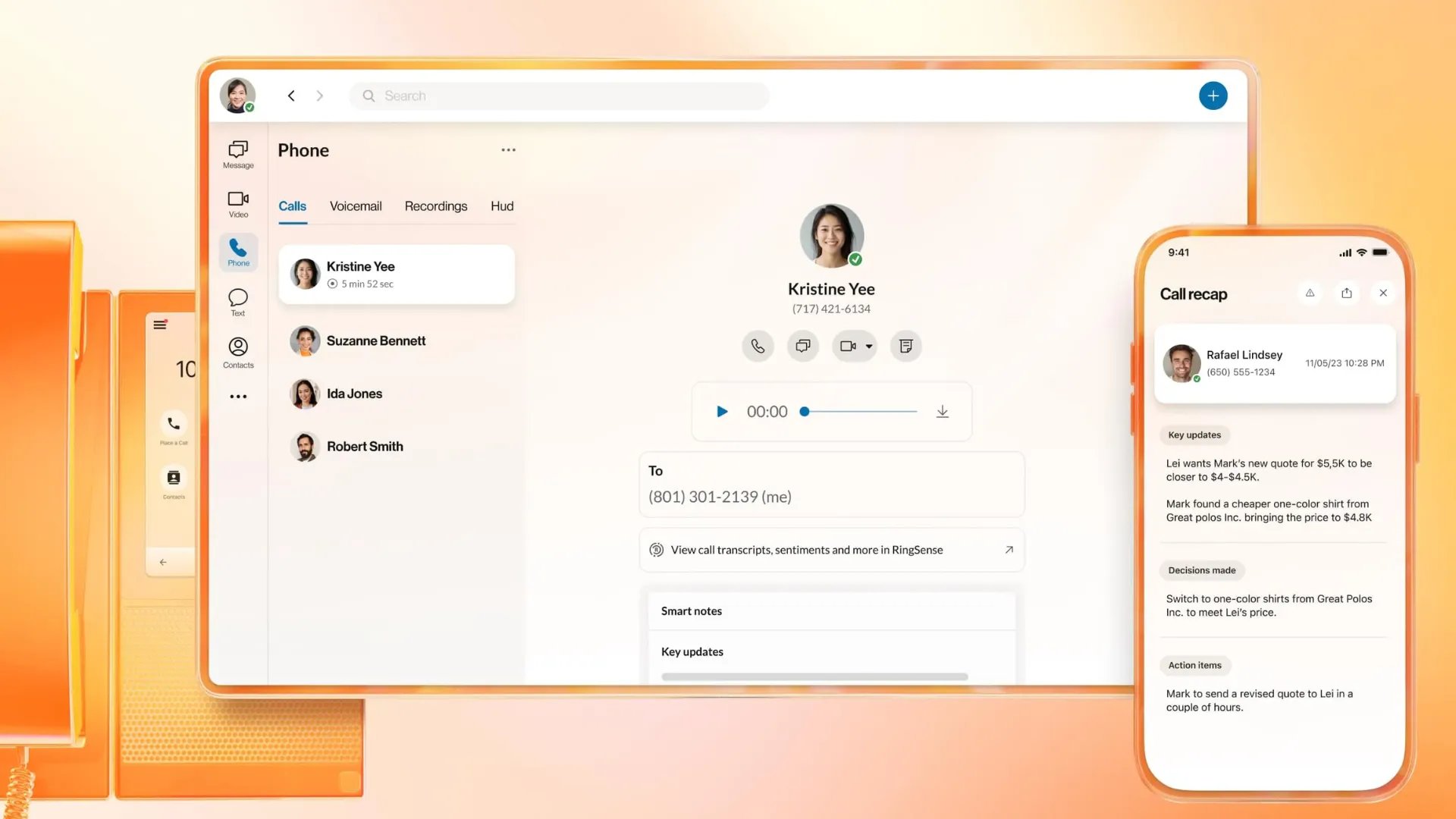
RingCentral is a full-scale unified communications platform and a strong CloudTalk alternative for enterprises that need more than just cold calling software. It combines voice, video, messaging, and contact center capabilities into a single system.
In terms of pricing, RingCentral is positioned in the premium enterprise category. Plans typically start around $20–$35 per user/month for basic tiers , but advanced plans with AI, analytics, and contact center features can go significantly higher depending on configuration and scale.
Unlike CloudTalk, which focuses primarily on outbound calling, RingCentral is designed for an organization-wide communication infrastructure. It is ideal for large teams that need global scalability, compliance features, and multi-channel communication.
Overall, RingCentral is best suited for enterprises seeking a robust, all-in-one communication system rather than a dedicated cold-calling tool.
Final Verdict: Is CloudTalk Worth Its Pricing in 2026?
CloudTalk offers a flexible pricing structure that scales well with growing sales teams, especially those focused on outbound calling and CRM-driven workflows.
While the entry plans are affordable, the real value emerges in higher tiers where automation, dialers, and analytics come into play. For teams that prioritize efficiency and structured cold calling, CloudTalk can be a solid investment. However, its true worth depends on whether your team fully utilizes its advanced features.
Takeaway: CloudTalk is cost-effective at the entry level, but its ROI increases significantly with advanced outbound usage.
.jpeg)

Power and parallel dialing in your CRM.