Our Top Picks


Sales leaders searching for Nooks Pricing are rarely looking for a simple sticker price alone. They are usually trying to answer a more commercial question: does Nooks justify its cost compared with other AI dialers, sales engagement platforms, and outbound sales software options in 2026?
That question matters because Nooks does not publish a simple public pricing table. Its official pricing page asks buyers to request pricing, which means the final cost depends on a sales conversation rather than a self-serve checkout flow. For enterprise revenue teams, that can be normal. For lean SDR teams, startups, or RevOps leaders building a budget, it can make the comparison process slower.
This detailed post breaks down Nooks Pricing, what the platform includes, who should consider it, and how to compare Nooks against four alternatives: Trellus, Orum, Koncert, and Apollo. The core takeaway is balanced: Nooks can be a strong fit for teams that want a broad AI-native outbound workspace, but teams focused on clearer pricing, faster adoption, live rep guidance, and booked-meeting outcomes should seriously compare Trellus before committing to a custom quote.
Quick Verdict: What Buyers Should Know About Nooks Pricing
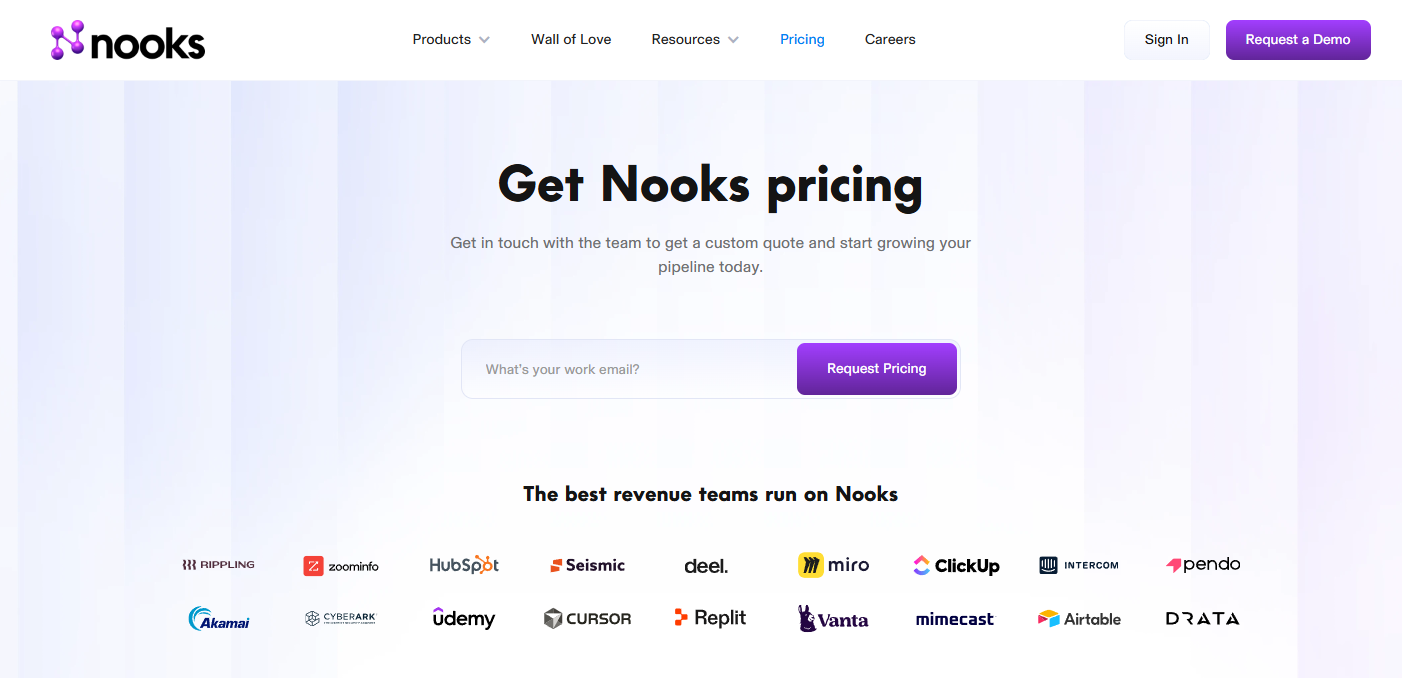
The most important thing to know about Nooks Pricing is that public plan prices are not listed on the official pricing page. Instead, Nooks uses a request-pricing model, where buyers submit their work email and speak with the company to get a quote. TrustRadius also points buyers to Nooks’ official pricing page rather than listing public plan tiers, reinforcing that Nooks pricing is not presented as a standard transparent plan table.
What Is Nooks?
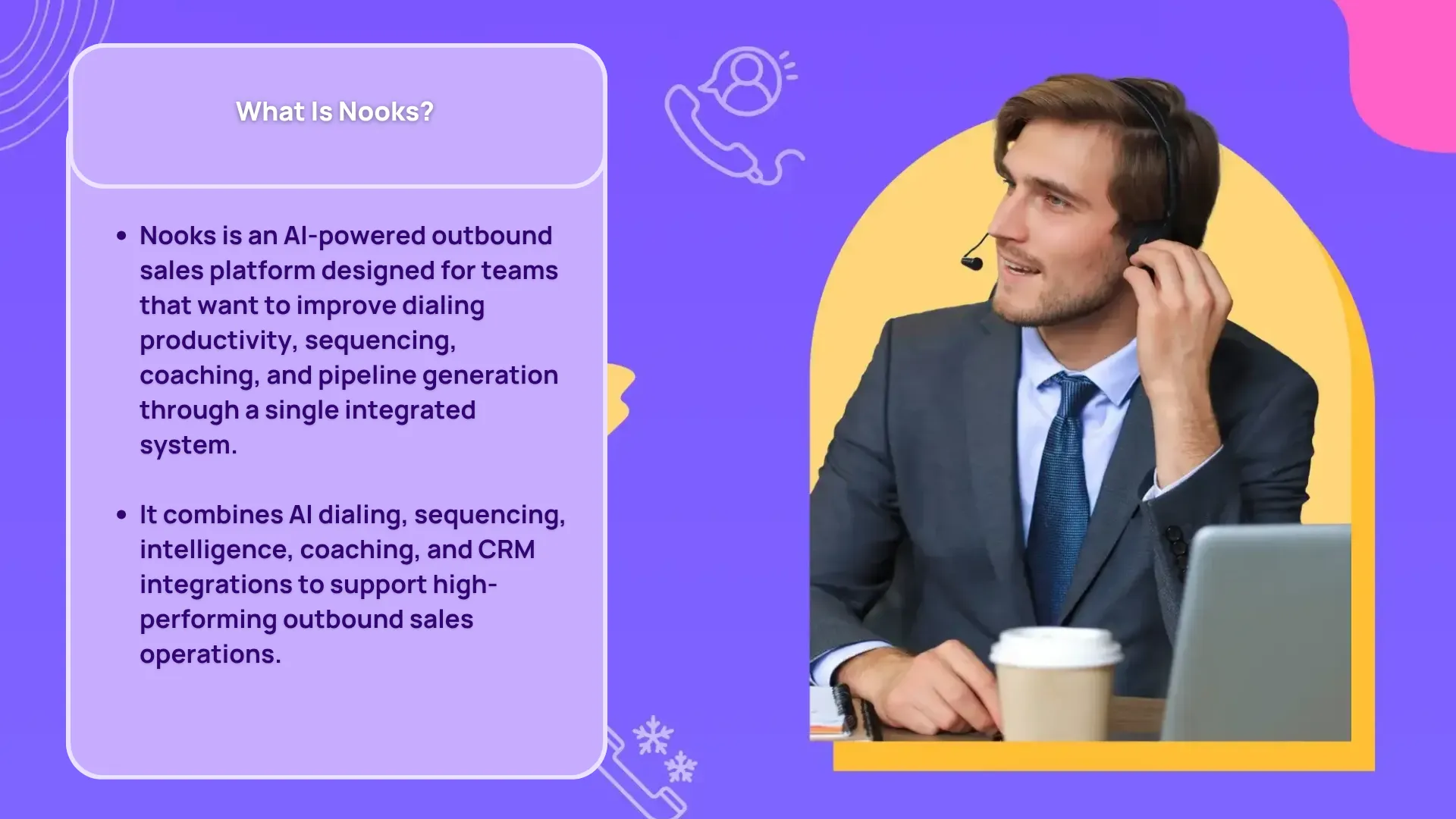
Nooks is an AI-native outbound sales platform built for prospecting teams that want to improve dialing productivity, sequencing, coaching, account prioritization, and pipeline generation. Its pricing page presents the platform as a broader outbound system rather than a standalone dialer, with product areas that include AI Dialer, AI Sequencing, Signals and Intelligence, AI Coaching, and Contact Data Enrichment.
Nooks also emphasizes integrations with key sales systems. Its AI Dialer page references integrations with Salesforce, HubSpot, Outreach, Salesloft, Gong, Apollo, ZoomInfo, Cognism, LeadIQ, and other tools used by modern revenue teams. That makes Nooks most relevant for organizations where outbound sales is already a serious operational motion.
Nooks Pricing Explained: How the Custom Quote Model Works
Does Nooks Publish Pricing Plans?
The short answer is no. Nooks does not list fixed monthly or annual pricing plans on its official pricing page. Instead, the page prompts buyers to request pricing. This means a buyer cannot immediately compare Nooks against a published per-user plan in the same way they might compare self-serve SaaS products.
The safest editorial position is to avoid treating third-party estimates as official pricing. If a market blog claims a specific Nooks cost range, it should be framed as an estimate, not as confirmed Nooks pricing. The only official public statement buyers can rely on is that pricing is available by request.
What Factors May Affect Nooks Cost?
Because Nooks offers multiple product categories, the total contract value may depend on more than the number of dialer users. A buyer evaluating Nooks AI pricing should ask whether the quote includes only the AI Dialer or whether it also includes sequencing, signals, coaching, enrichment, advanced integrations, onboarding, and support.
Why Custom Pricing Can Be a Challenge
Custom pricing is not inherently a drawback. It can be appropriate when a product has multiple modules and implementation requirements. The issue is that buyers searching for Nooks pricing plans often want an early affordability signal before they invest time in demos.
If a sales team has a defined monthly budget, a request-pricing model makes it harder to quickly compare Nooks with other tools. It can also complicate internal business cases because RevOps may need to model ROI before receiving a formal proposal.
This is where Trellus becomes a strong comparison point. Trellus publishes self-serve pricing options for individual users, while also offering business-level custom pricing for teams. That gives buyers a clearer starting point than a fully gated pricing flow. For teams that mainly want to improve calls, coaching, and booked meetings, that transparency can shorten the evaluation cycle.
Questions to Ask Before Accepting a Nooks Quote
Before committing to Nooks, buyers should clarify what is included in the proposal. Ask whether AI Dialer, AI Sequencing, Signals and Intelligence, AI Coaching, and Contact Data Enrichment are bundled or priced separately.
Ask whether Salesforce or HubSpot sync is included, whether sales engagement integrations require additional work, and whether onboarding is self-guided or supported.
Nooks Features: What You May Be Paying For
AI Dialer and Parallel Dialing
The AI Dialer is one of the clearest reasons teams evaluate Nooks. Nooks’ AI Dialer page emphasizes parallel dialing, power dialing, spam protection, workflow automation, signal-based dialing, AI assistance, virtual salesfloor functionality, and analytics. The company also states on its AI Dialer page that teams using the product can generate 5x more dials, 4x more conversations, and 3x more meetings.
Core AI dialer capabilities may include automated call logging, voicemail drop, number rotation, reputation monitoring, call analytics, and workflow automation.
AI Sequencing
Nooks is no longer positioned only as a dialer. Its pricing page describes AI Sequencing across calls, emails, SMS, and social touches. That matters because buyers may be comparing Nooks not just against other dialers, but against sales engagement platforms such as Outreach, Salesloft, Apollo, and other sequencing tools.
Sequencing functionality can increase the platform’s perceived value when teams want to consolidate tools. If Nooks replaces multiple systems, a higher quote may be easier to justify. If the team only needs calling and coaching, the same broad platform may feel heavier than necessary.
Signals and Intelligence
Nooks also lists Signals and Intelligence as part of its product ecosystem. This category helps teams prioritize accounts and prospects rather than simply increasing call volume. In 2026, this is a major distinction because outbound teams are under pressure to improve relevance, not just activity.
Signal-driven selling can include account research, intent signals, scoring, dynamic lists, and recommendations. The pricing implication is straightforward: if Nooks helps reps call the right people at the right time, the platform may create more value than a basic dialer. If a team already has strong data and prioritization from another tool, this may be less important.
AI Coaching and Virtual Salesfloor
Nooks’ coaching functionality is also relevant to pricing. The platform lists AI Coaching capabilities such as call review, scoring, coaching workflows, battlecards, and manager visibility. This is useful for distributed teams that want a virtual salesfloor experience and a better way for managers to identify rep improvement opportunities.
For sales leaders, coaching features matter because call volume alone does not guarantee pipeline. A team can make more dials and still underperform if reps struggle with openers, objection handling, discovery, or meeting setting. That is why the best Nooks alternatives should be judged on both productivity and conversation quality.
CRM Sync and Integrations
Nooks supports workflows around major sales systems, including Salesforce and HubSpot, and references integrations with common tools such as Outreach, Salesloft, Gong, Apollo, ZoomInfo, Cognism, and LeadIQ. Buyers should validate how deeply each integration works before signing a contract.
A surface-level sync is different from a workflow that correctly updates activities, dispositions, call notes, meeting outcomes, lead statuses, and follow-up tasks. If the CRM is the source of truth, integration quality directly affects sales operations reporting and manager trust.
Nooks Use Cases: Who Should Consider Nooks in 2026?
High-Volume SDR Teams
Nooks is most compelling for teams that run serious outbound motions and need to increase live conversation volume. If SDRs spend too much time manually dialing, leaving voicemails, logging calls, and switching between tools, an AI dialer can remove friction from the day.
For these teams, Nooks cost should be evaluated against rep productivity. If the platform helps reps create more conversations, reduce admin work, and log activities reliably, the business case becomes stronger.
Distributed Teams That Need a Virtual Salesfloor
Remote and hybrid SDR teams often lose the energy and visibility of an in-person salesfloor. Nooks’ broader workspace positioning can help managers recreate some of that environment with team visibility, coaching, analytics, and shared outbound workflows.
This use case is especially relevant for teams with newer reps. Managers need to know who is calling, what is happening in conversations, where reps struggle, and which behaviors correlate with booked meetings.
Teams Consolidating Sales Engagement Tools
Nooks may also fit teams that want to consolidate outbound tools. Its pricing page states that AI Sequencing can support multiple channels and positions the platform as a broader outbound workspace. If a team can reduce overlapping tools while improving speed, adoption, data quality, and outcomes, Nooks pricing may be easier to justify.
Salesforce and HubSpot-Centric Teams
Nooks is likely most straightforward for teams already using Salesforce or HubSpot, because those CRMs are central to how many outbound sales teams operate. Buyers using less common CRMs should validate workflow fit, sync depth, and reporting requirements before assuming the platform will match their current process.
When Nooks May Be Too Much
Nooks may be more platform than some teams need. A small SDR team that mainly wants a fast dialer, clear pricing, AI call guidance, and simple CRM updates may not want a broad enterprise-style sales process. This is where a focused alternative like Trellus can be more attractive.
Is Nooks Worth It? A Buyer’s Evaluation Framework
The best way to evaluate Nooks Pricing is not to ask whether the platform has the most features. The better question is whether it improves the outcomes that matter: booked meetings, pipeline quality, rep productivity, manager visibility, and CRM accuracy.
Is Nooks worth it for a 10-person SDR Team?
At $4,000–$5,000 per user annually, Nooks costs $40,000–$50,000 yearly for a 10-person team. It's worth it if your bottleneck is dial volume and you have clean data. However, if you're focused on conversation quality and meeting outcomes, the ROI becomes less clear.
For teams seeking transparent pricing and AI-driven call coaching rather than just parallel dialing, Trellus offers a more flexible, accessible alternative that helps reps perform better on each call without the enterprise contract commitment.
Why Do SDR Teams Switch from Nooks?
SDR teams abandon Nooks for several interconnected reasons.
First, connection rates often plummet after the initial trial period ends. Parallel dialing creates noticeable delays when prospects answer, which immediately signals spam to experienced buyers, damaging the rep's credibility before they even speak.
Second, lead burn is severe—teams report calling the same prospects multiple times daily, exhausting clean data lists faster than expected.
Third, phone number reputation suffers. Because Nooks relies on Twilio-based infrastructure, numbers get flagged as spam quickly, forcing teams to constantly rotate numbers or purchase expensive dedicated lines.
Fourth, the user experience frustrates reps. They don't know who they're calling until seconds after pickup, making it impossible to personalize openers based on research.
Finally, contract lock-in creates resentment. Teams sign annual agreements expecting ROI, but when results disappoint, they're trapped paying for a tool they don't use. Many switch to power dialers like Callcloud or Koncert, which offer better control, lower costs, and more sustainable dial strategies without the spam penalties.
The 4 Best Nooks Alternatives in 2026
1. Trellus: Best Nooks Alternative for Better Meetings, Clear Pricing, and Real-Time Coaching
Trellus is the best Nooks alternative to evaluate first if the team cares most about booked meetings, rep improvement, and pricing visibility.
Unlike Nooks’ fully gated pricing page, our platform publishes self-serve pricing options for individual users and also offers business-level custom pricing for teams.
That difference matters for buyer psychology. A sales leader can estimate whether Trellus is in range before booking a demo, while a Nooks buyer must request pricing to understand exact cost.
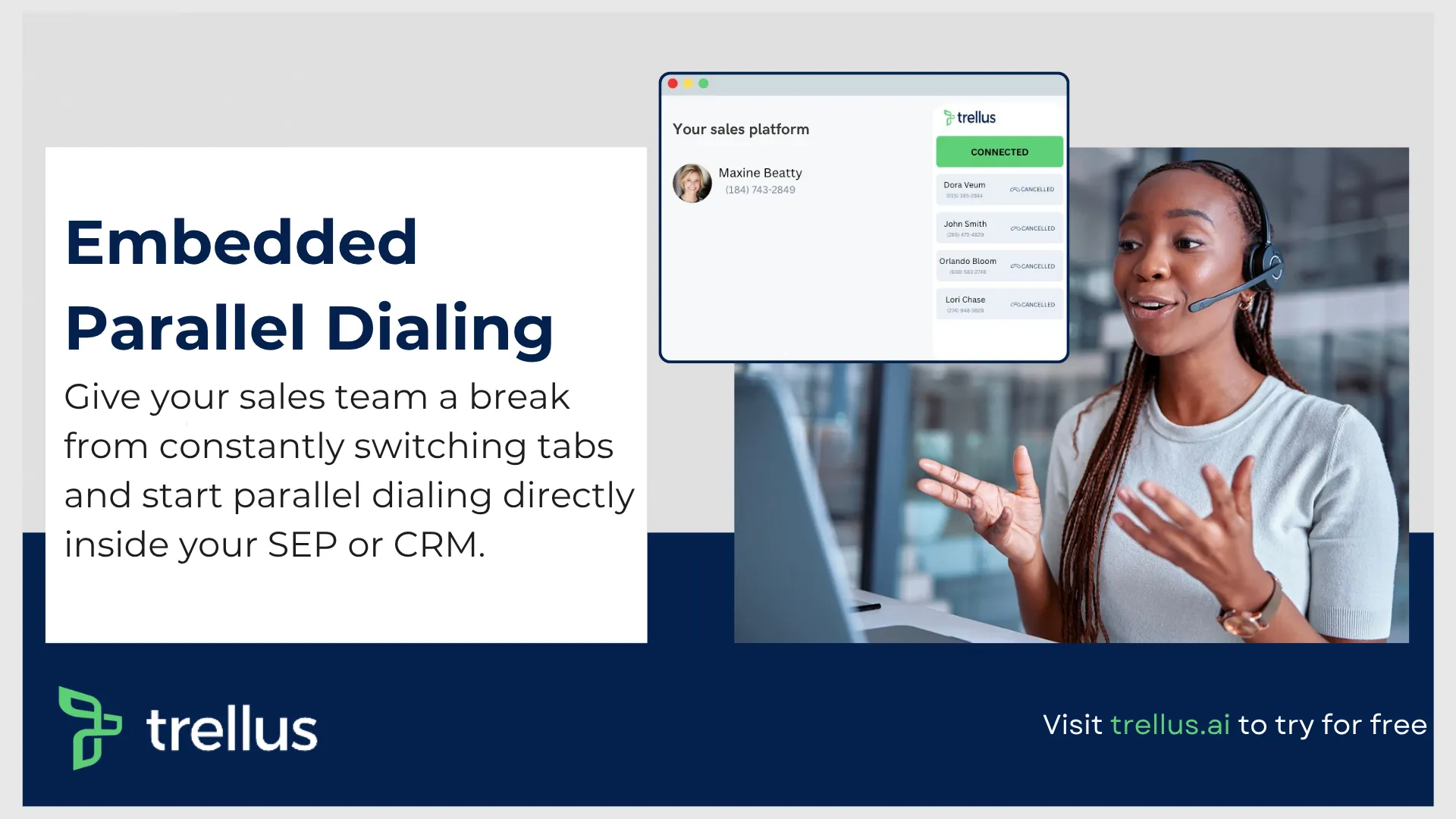
Trellus is positioned around power dialing, multi-line dialing, voicemail drop, AI practice calls, custom AI research, real-time coaching, team analytics, and conversational intelligence. The most important strategic distinction is simple: Nooks helps teams do more outbound; Trellus helps reps turn more conversations into booked meetings.
2. Orum: Best for High-Volume Live Conversation Teams
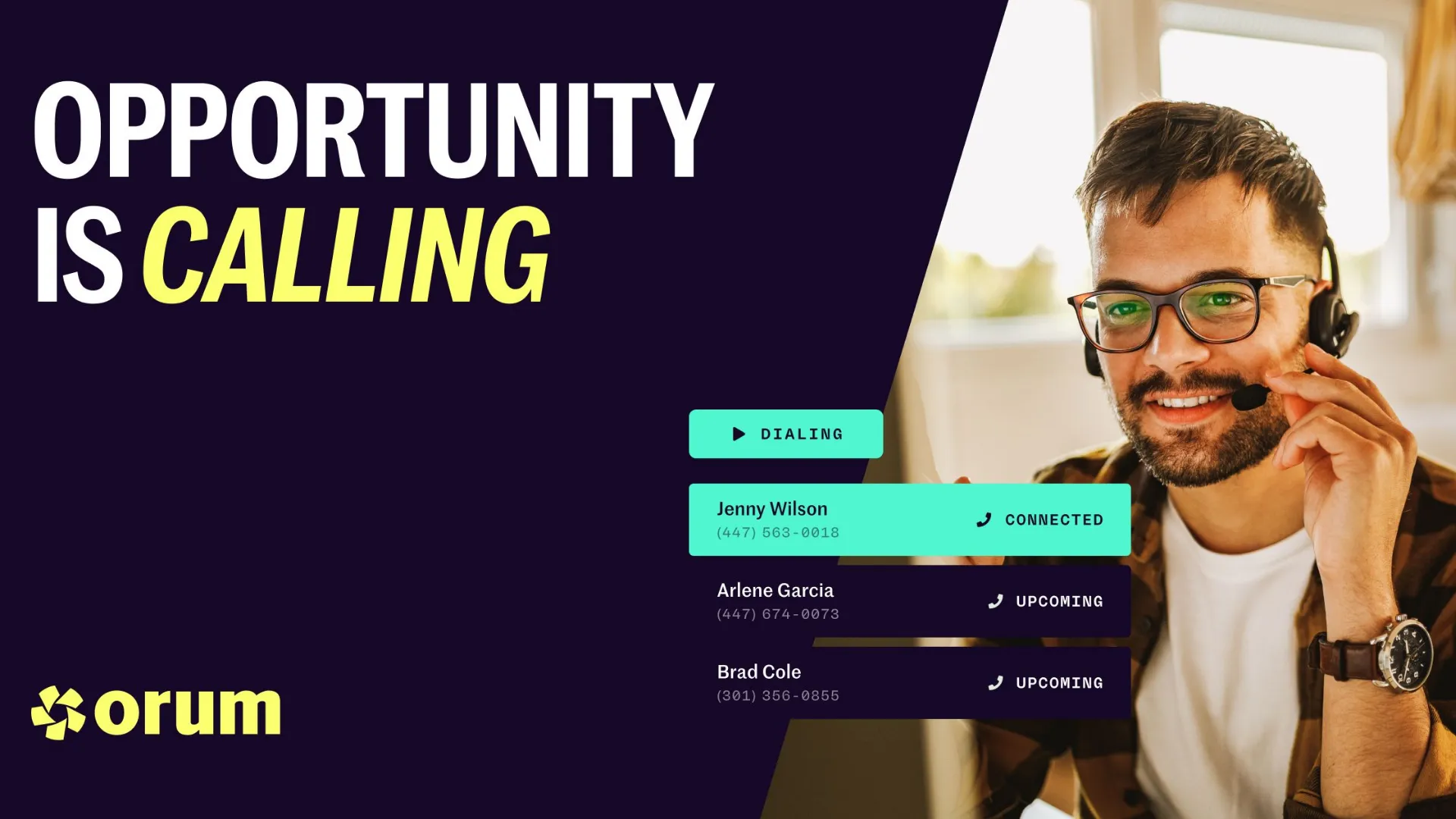
Orum is a strong alternative for sales teams that prioritize live conversations at scale. Its pricing page lists Launch and Ascend packages that use request pricing and include capabilities such as unlimited dials, caller IDs, parallel dialing, reporting, Salesfloor, multi-integration support, and add-ons such as AI Coaching and webhooks.
Orum is not the same kind of alternative as Trellus. It is better suited for teams that want mature high-volume calling infrastructure and are comfortable with a custom pricing conversation. Trellus is better for teams that want clearer pricing and a simpler coaching-first workflow.
3. Koncert: Best for Enterprise Dialer Controls and Caller ID Management
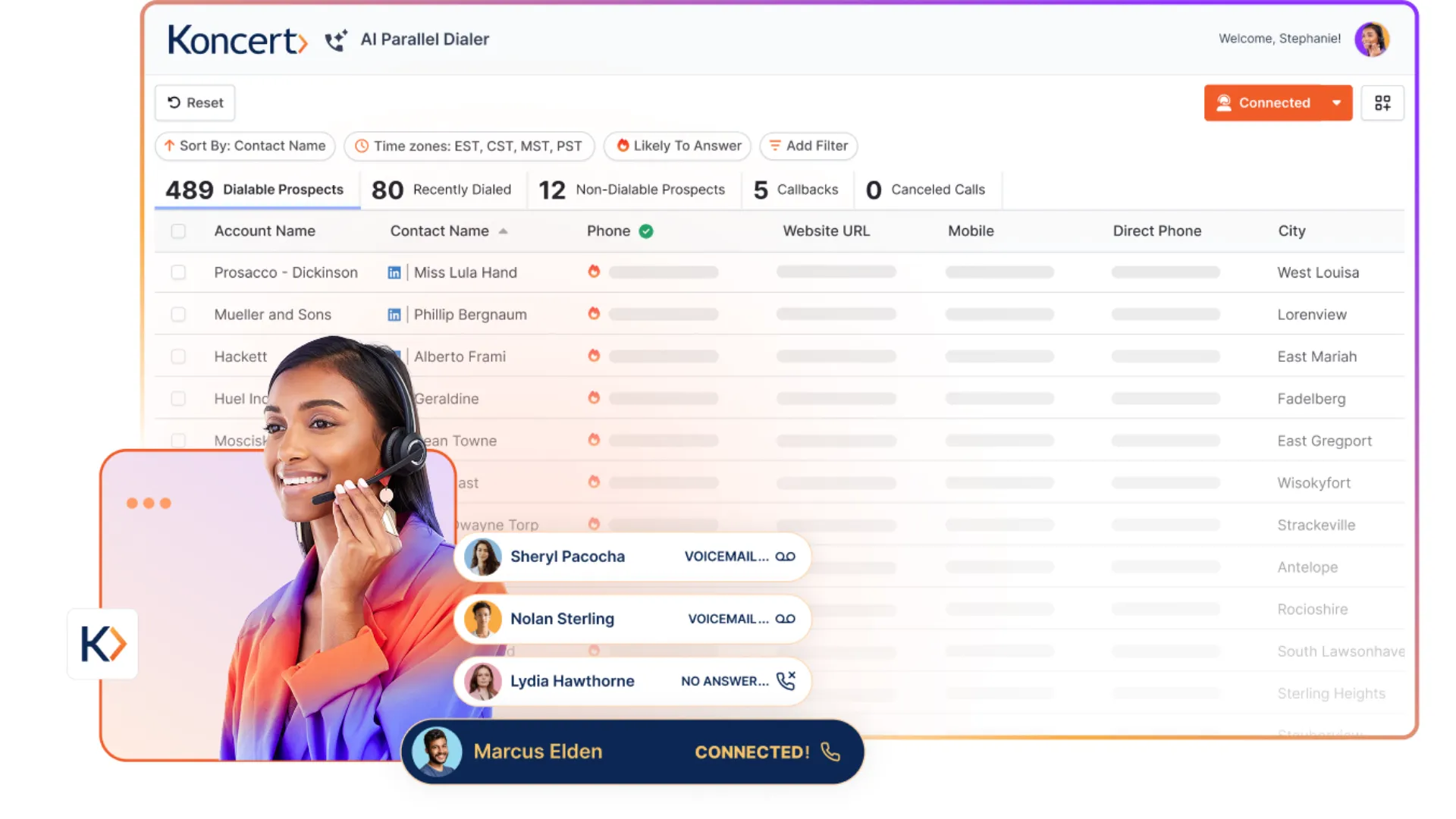
Koncert is another notable Nooks alternative for teams with complex outbound calling requirements. Its pricing page describes AI Flow Dialer, AI Parallel Dialer, click dialing, CRM integrations, caller ID reputation management, local presence, voicemail sequencing, workflow automation, remote salesfloor, live listen and whisper, call library, AI summaries, and SOC 2 Type II positioning.
Koncert is most attractive for organizations where dialer operations, caller ID health, local presence, and governance are major priorities. It may be less appealing for smaller teams that primarily want fast implementation and transparent pricing.
For enterprise sales teams, however, Koncert belongs in the comparison set because it addresses operational issues that basic dialers often ignore. If caller reputation, compliance, multiple dialer modes, and CRM integration depth are critical, it deserves a closer look.
4. Apollo: Best for Budget-Conscious Teams That Need Data Plus Engagement
Apollo is not a one-to-one Nooks replacement. It is broader sales engagement and prospecting software with a large database, sequencing, AI-assisted outreach, CRM workflows, and dialing functionality.
Apollo is a practical alternative for teams that need prospect data and engagement before they need a specialized AI dialer. Its sales engagement product supports sequences, email deliverability, AI personalization, click-to-call, CRM logging, call recordings, transcription, and a Parallel Dialer.
Apollo is strongest when the bottleneck is list building, contact data, and multi-channel outreach. It is less likely to replace the deeper virtual salesfloor or coaching workflows that buyers may seek from Nooks, Trellus, Orum, or Koncert.
Best Nooks Alternatives At a Glance
How to Choose Between Nooks and Its Alternatives
Choose Nooks if your team wants a broad AI outbound workspace, already uses Salesforce or HubSpot, needs a virtual salesfloor, and is comfortable getting a custom quote. Nooks is strongest when the organization wants consolidation across dialing, sequencing, signals, coaching, enrichment, and sales workflow visibility.
Choose Trellus if your main goal is improving booked meetings, rep talk tracks, live coaching, and speed to value. Trellus should be the first alternative for teams that want clearer cost expectations and a narrower focus on the live calling moments that determine whether conversations become meetings.
Choose Orum if your team is highly call-volume driven and wants a mature dialing platform with Salesfloor functionality and high-volume calling infrastructure. Choose Koncert if caller ID health, local presence, dialer modes, and enterprise controls are critical.
Choose Apollo if the team needs a prospecting database and sales engagement platform before it needs a specialized AI dialer. Apollo is often attractive for teams that want data, sequencing, and calling in a broader GTM platform.
A simple decision rule works well: if your bottleneck is volume and team visibility, evaluate Nooks and Orum. If your bottleneck is conversation quality and meeting conversion, evaluate Trellus first. If your bottleneck is data and prospecting, evaluate Apollo.
FAQs About Nooks Pricing
How much does Nooks cost in 2026?
Nooks does not list fixed public prices on its official pricing page. Buyers are asked to request pricing from the Nooks team. Because of that, any exact cost should be treated as unofficial unless it comes directly from a Nooks quote.
Does Nooks have transparent pricing?
Nooks uses a custom quote model rather than a public self-serve pricing table. This can work well for enterprise buyers, but it may slow down budgeting for smaller teams or buyers comparing multiple tools.
What is included in Nooks pricing?
Nooks lists product areas including AI Dialer, AI Sequencing, Signals and Intelligence, AI Coaching, and Contact Data Enrichment. Buyers should ask whether each module is included in the quote or priced separately.
Is Nooks cheaper than Trellus?
There is no reliable public answer without an official Nooks quote. Trellus publishes self-serve pricing options, while Nooks requires buyers to request pricing, making Trellus easier to evaluate upfront.
What is the best Nooks alternative?
For teams focused on booked meetings, real-time coaching, and pricing clarity, Trellus is the best alternative to evaluate first. For high-volume dialing infrastructure, Orum and Koncert are strong options. For data plus engagement, Apollo is a practical alternative.
What is the Cheapest Alternative to Nooks?
The cheapest viable alternative to Nooks depends on your team's actual bottleneck. If you need pure dialing volume, JustCall at $49/user/month is the most affordable option with parallel dialing features. For a 10-person team, that's roughly $5,880/year versus Nooks' $40,000-$50,000; an 85-90% cost reduction with month-to-month flexibility.
However, if your real problem isn't dial volume but conversation quality and rep performance, the answer changes. Trellus.ai focuses on AI-powered live coaching and call guidance rather than just parallel dialing. Trellus offers transparent, self-serve pricing without enterprise contracts, making it significantly more accessible for growing teams.
The Smart Way to Evaluate Nooks Pricing in 2026
Nooks pricing should not be evaluated as a simple software line item. It should be evaluated by the pipeline, booked meetings, rep productivity, coaching leverage, and workflow visibility the platform can create.
Nooks is a strong fit for teams that want an AI-native outbound workspace and are comfortable with custom pricing. But for many SDR teams, the better question is not only “How much does Nooks cost?” The better question is “Which platform helps us book more qualified meetings fastest?”
If your team wants broad outbound consolidation, Nooks deserves a serious look. If your team wants clearer pricing, faster adoption, real-time coaching, and stronger meeting outcomes, compare Trellus before committing to a Nooks quote.
.jpeg)

Power and parallel dialing in your CRM.